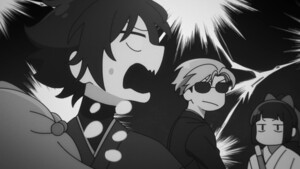
Episodes 4 and 5 of The Warrior Princess and the Barbaric King double down on big emotions, clear-cut morality, and broad stylistic choices — for better and worse. While the series offers moments of solid worldbuilding and a convincing lead performance, these installments also highlight a persistent problem: the show rarely trusts its audience to read between the lines. The result is bold storytelling that can feel heavy-handed, with a handful of scenes that raise questions about tone, gender portrayal, and the limits of spectacle.
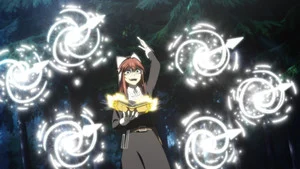
Table of Contents
Episodes 4–5: More Than Meets the Eye — And Often Less
These episodes swing between two competing instincts. On one hand, the series wants to be an accessible, high-contrast fantasy: heroes are heroic, villains are villainous, and emotions are larger than life. On the other, it occasionally hints at nuance — cultural misunderstandings, the cost of dogma, and the fragility of trust between very different peoples. Unfortunately, the show usually chooses the simpler option, leaning into obvious symbolism and overt cues rather than letting subtext build naturally.
When Subtlety Is Abandoned
There are repeated beats where the narrative spells everything out, often through exaggerated visuals or dialogue. A recurring gripe is Sera’s tendency to shriek at nearly every surprising moment; what might be an endearing quirk early on becomes grating when overused. Similarly, props and costumes are used as blunt instruments — Malcius’ nun-like garb, for example, telegraphs her religious extremism in a way that leaves little room for audience inference.
Malcius: The Villain as Ideology
Malcius, the zealot introduced in episode 5, functions less as a three-dimensional antagonist and more as a concentrated expression of Illdoran prejudice. Her cruelty is cartoonish by design: she embodies the belief that Veor’s people are less than human because they live closely with nature. That depiction gives the show a clear contrasting foil to its protagonists, but it also flattens the potential for moral complexity. Malcius is ideologically unyielding — she has internalized intolerance into pure vitriol — and the anime stages her as an almost allegorical warning about dogma run amok.
The Problematic Payoff
Visually, Malcius’ arc culminates in a sequence that leans into grotesque fantasy imagery (tentacles), which sits uneasily alongside the show’s attempts to center a strong female lead. When the plot uses sexualized or demeaning tropes as shorthand for villainy or punishment, it opens the series up to critique: the show has a strong warrior-woman protagonist but also slips into moments that feel sexist or at least tone-deaf.
Gender, Roles, and the Domestic Turn
One of the friction points across these episodes is how the series treats female characters’ choices. Nyreia’s introduction — happily domestic, barefoot, and embracing motherhood — is written and staged in a way that contrasts sharply with Sera’s identity as a fighting woman. The narrative seems to suggest that domestic life can be deeply fulfilling, which is valid, but the juxtaposition risks implying that a woman giving up a career of her choosing is a superior or more authentic path. That implication — even if unintended — resonates with real-world pressures many women still face.
Context and Counterpoints
There are mitigating details. Veor, the barbaric king, generally respects Sera’s need to fight and recognizes her personality; he doesn’t overtly demand she abandon her nature. And the society he represents does appear to have fewer female warriors, which helps explain why Sera feels alien in their world. But jokes from earlier episodes and certain set pieces involving the female cast still land awkwardly, and the show doesn’t always make clear whether it’s critiquing those attitudes or merely depicting them.
Worldbuilding That Works — When It Stops Explaining
Despite some heavy-handed choices, the series often succeeds at the nuts-and-bolts of its fantasy setting. Nyreia’s explanation of Illdoran warrior culture to Veor is an example of organic exposition that enriches the world without feeling like a textbook dump. The show’s refusal to use familiar fantasy labels (it sidesteps “elves” and “dwarves”) is a welcome small touch that gives the setting a slightly fresher identity.
Small Moments That Elevate
There are scenes where the show’s craft aligns well with its themes: the forest getting darker with each spell Malcius casts is a simple but effective visual metaphor for corruption and the cost of abusing power. These moments suggest the creative team can pull off subtlety when they choose to, which unfortunately makes the episodes’ more blatant beats stand out even more.
Standout Voice Work and Performances
A major success across these episodes is the vocal performance for Malcius. Aki Toyosaki’s portrayal is unhinged and unsettling in just the right measure, selling the character’s fanaticism convincingly. Her voice work amplifies the threat of Malcius in a way the script sometimes struggles to accomplish on its own. Good casting and strong direction in several key scenes help the series retain momentum even when the writing leans heavy-handed.
For those wanting to learn more about the principal voice actor, Aki Toyosaki’s career overview is helpful — see her profile on Wikipedia (rel=”nofollow” target=”_blank” href=”https://en.wikipedia.org/wiki/Aki_Toyosaki”). If you prefer to watch the series yourself, it’s currently available on Crunchyroll (rel=”nofollow” target=”_blank” href=”https://www.crunchyroll.com/series/GT00362253/the-warrior-princess-and-the-barbaric-king”).
Visual Tone and Direction
The anime’s aesthetic choices amplify both its strengths and weaknesses. Bold color shifts, dramatic spell effects, and an emphasis on closeups heighten emotional stakes — but those same choices can make subtler character moments feel drowned out. When a series chooses spectacle over restraint repeatedly, the emotional beats can lose their nuance and become mere signals rather than lived experiences.
Where the Show Should Lean In
Episodes 4 and 5 suggest that the series would benefit from pacing that allows quieter, character-driven scenes more room to breathe. Letting Sera’s internal conflict play out without constant external explanation would deepen empathy and give more impact to her choices. Likewise, a slightly more complex portrait of Illdoran society — showing contradictions rather than monolithic attitudes — could turn the world from a backdrop into a living, reactive place.
Final thoughts
The Warrior Princess and the Barbaric King remains a mixed bag. Episodes 4 and 5 deliver compelling visuals, strong voice work, and moments of genuine worldbuilding, yet they are undermined by a consistent lack of subtlety and a few questionable tonal choices. If you enjoy straightforward fantasy with big stakes and even bigger emotions, these installments will deliver. If you prefer nuance, restraint, and character-driven surprises, you may find yourself wishing the series trusted its audience a bit more.