Dorohedoro continues to deliver the kind of darkly playful madness that made it a cult favorite: grotesque set pieces, oddball humor, and surprising emotional weight. Episode 8 leans into that balance, juxtaposing grief and absurdity in ways that keep the world feeling dangerous, grounded, and weirdly alive at the same time. If you’ve ever been captivated by an out-of-context panel and clicked through to the series, this episode gives you everything you loved about that impulse—and then some.
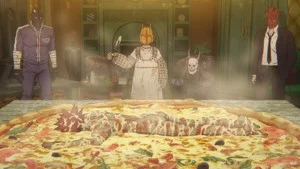
Table of Contents
The grotesque and the hilarious: why the imagery hooks you
One of Dorohedoro’s greatest strengths is its ability to generate arresting visuals that are equal parts repulsive and magnetic. That thumbnail—an unclothed man embedded in a giant pizza while a turkey-headed woman wields a cutter—is not just shock value. It’s an invitation into a world where the boundaries between culinary delight and bodily horror blur, where absurdity functions as character and setting exposition. These surreal tableaux are often the gateway for new readers and viewers; out-of-context panels circulate because they capture the title’s spirit in a single, unforgettable moment.
Inventive magic: body horror, rules, and consequences
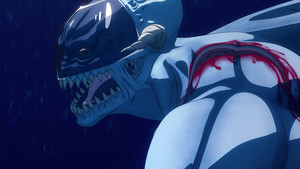
Beyond the spectacle, Dorohedoro boasts one of manga/anime’s more imaginative magic systems. Sorcery here is biological and grotesquely literal: devil-shaped tumors, an organ system channeling smoke, and fungal infrastructures that can relay information and even crumble with a leader’s death. En’s passing in this episode leaves ripples through the sorcerer society in a way that feels both organic and narratively clever.
Rules that matter
What sets the series apart is that its rules generate meaningful consequences. The magic is not a catch-all deus ex machina; it introduces unique vulnerabilities and ethical questions. Mechanisms like information relays collapsing or replicant puppets acting on instinctual drives keep stakes high and allow Q Hayashida to explore body horror, identity, and institutional fragility without resorting to lazy explanation.
Nikaido’s time-travel trauma: the human toll of strange power
Amidst all the gore and whimsy, Dorohedoro never loses sight of its characters’ humanity. Nikaido’s backstory is a standout example. Her time-manipulation ability reads as an inscrutable black box: a power that, as a child, she could not fully control and whose consequences shaped her choices as an adult. The show treats the butterfly effect with the kind of quiet dread time-travel stories often deserve—small acts can have catastrophic ripples, so Nikaido suppresses and hides her ability to protect those she loves.
Memory and mourning
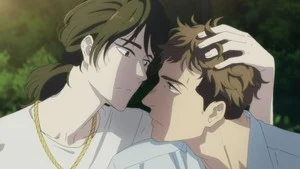
Her relationship to Yakumo—holding the only remaining memory of someone erased from the world—adds a mournful, intimate dimension. That personal grief anchors the more fantastical elements and reminds viewers that for every grotesque joke, there’s a person making a heartbreaking choice to keep others safe. The series’ emotional beats work because they are earned, often through restraint.
After En: clan dynamics and fractured hierarchies
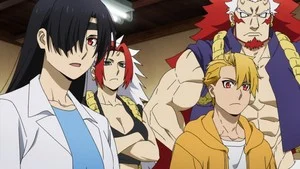
En’s disappearance sets off a chain reaction among his followers. The episode captures how power vacuums reveal truths about people: Fujita exhibits signs of PTSD, Ebisu’s manic laughter takes on a sorrowful edge, and the muscle duo Noi and Shin drift into aimless habits—ordering take-out and slouching through days without a clear purpose. These reactions avoid caricature; they show how complex loyalties and personal insecurities shape responses to trauma.
Nuanced factions
Dorohedoro’s factions are never monolithic. Characters wax and wane between brutality and tenderness, cruelty and care. Noi calling En an “arrogant mushroom dumbass” isn’t just comic relief; it’s an expression of complicated loyalty. This layered characterization sustains the series’ long-form storytelling, giving every political move and alliance emotional subtext beyond simple good-versus-evil dynamics.
Turkey’s culinary sorcery: resurrection by pizza
One of the episode’s most memorable beats is Turkey’s culinary magic: she cooks replica puppets that instinctually seek out the person they mimic. The logistics are deliciously detailed—Turkey literally bakes these puppets into foodstuffs, turning resurrection into a grotesque culinary performance. It’s the kind of idea that perfectly encapsulates Dorohedoro’s sensibilities—equal parts inventive, vulgar, and weirdly tender.
Representation note
It’s worth noting that Turkey is a trans woman in the original material, a detail that adds another layer to her portrayal and the series’ portrayal of identity. Even if adaptation choices differ, the character’s existence contributes to Dorohedoro’s diverse, often surprising cast.
Tonal dexterity: balancing metal riffs and kitchen nightmares
Dorohedoro moves effortlessly between moods. A scene can pivot from a death-metal rant about human contempt to a close-up of a sorcerer’s tumor with equal intensity. Small worldbuilding flourishes—a broom that’s a souped-up vacuum, Haru turning her tail into a microphone, oversized pizza peels—enrich the world without bogging it down. The Cross-Eyes’ run-ins with En’s cleaners hint at escalating conflict, but the series never lets plot momentum compromise its inventiveness.
Where to watch
Dorohedoro Season 2 is available for streaming. You can find the series on platforms such as Crunchyroll and Netflix.
Final thoughts
Episode 8 is a compact demonstration of everything that makes Dorohedoro compelling: audacious creativity, humane character work, and a magic system that’s as unsettling as it is original. The show can make you laugh, cringe, and ache for its characters within a single scene, and that tonal range is rare and exhilarating. If you’re already invested, this episode deepens the emotional and narrative stakes. If you’re still on the fence, one out-of-context image might be all it takes to pull you in—and once you’re here, you’ll find the series has many more surprises waiting.