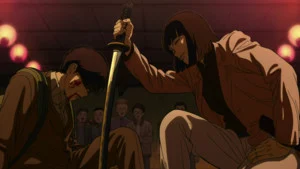
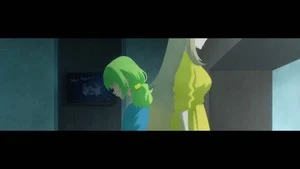
Witch Hat Atelier episode 12 digs into the emotional undercurrents of its young cast while expanding the world-building that makes the series so compelling. This installment focuses on self-doubt, the tension between rules and creativity, and the ways authority can both protect and stifle. Through quiet character beats and an evocative legend, the episode asks whether fear of breaking rules can become its own kind of prison.
Table of Contents
Euini’s Struggle: A Portrait of Anxiety and Self-Fulfilling Prophecy
At the heart of episode 12 is Euini’s crippling anxiety. The show portrays his panic not as melodrama but as a slow erosion of confidence after years of being measured against another’s standards. The scene where he must draw in front of others captures the physicality of fear — the shaking hands, the blank mind, the retreat into certainty that he will fail. That certainty becomes a self-fulfilling prophecy; the anxiety itself prevents him from showing what he can do.
Why Richeh’s Approach Works
Richeh’s blunt, non-condescending style resonates with Euini because she treats him like someone capable rather than fragile. Where Agott’s frustration alienates and Alaira’s concern intimidates, Richeh models how to demonstrate rather than to scold. Her pragmatic creativity (and the spell she uses to cross the gap) serves as an example Euini can emulate — not through imitation but by thinking around the constraint of being observed.
Agott vs. Richeh: Two Sides of the Same Theme
Agott and Richeh both embody different failures to integrate personal ambition with cooperation. Agott’s pursuit of perfection isolates her and stunts growth by elevating an ideal above relationships. Richeh’s contrarian streak rejects systems outright, sacrificing the benefits of structure in the name of independence. These two attitudes are contrasted against Alaira’s patient mentorship and the fragile hope embodied by Euini.
The Cost of Perfectionism and Rebellion
Episode 12 subtly argues that neither perfectionist obsession nor reflexive rejection of rules is a healthy long-term strategy. Agott’s single-mindedness and Richeh’s stubborn dismissal of authority both close off paths to improvement. The real solution the episode hints at is a middle path: learning to use rules as tools, not cages, and to take creative risks that serve others as well as oneself.
Rules, Creativity, and the Gray Area of “Legal” Magic
One of the episode’s most interesting threads is the ambiguity around what constitutes legal spellwork. Euini’s cloak — a rewritten enchantment pulled over his head — pushes the boundary of technical legality. Is it illicit because it’s a modification of an existing spell, or acceptable because it alters only his appearance and targets myrphons? The show uses this uncertainty to highlight how rigid enforcement can smother innovation.
Why Ambiguity Matters
By refusing to spell out a simple “legal vs illegal” binary, Witch Hat Atelier forces the viewer to confront the unintended consequences of strict rule enforcement. Witches who fear accidental wrongdoing are less likely to try inventive solutions that could help others. The fine print of magical regulation — where seals are drawn and whether a spell is cast on the caster or an object — becomes a narrative device for exploring how bureaucracy can sap courage.
The Legend of Romonon: A Cautionary Tale
The story of Romonon, a lost cave city punished for placing itself above the needs of others, functions like a fable within the episode. It mirrors myths such as the Tower of Babel while specifically critiquing elitism and gatekeeping. Those who place power and control over compassion are destined to collapse under their own weight — a lesson that speaks both to the proud citizens of Romonon and to present-day institutions like the Knights Moralis.
Knights Moralis — Protectors or Gatekeepers?
Through the Romonon parable, the episode casts a skeptical eye on zealous enforcers of magical law. While the Knights Moralis are ostensibly guardians of safety and order, Witch Hat Atelier suggests they might also be enforcing a narrow conception of legitimacy that excludes creativity and aid. The narrative asks whether policing who may use magic and how they may use it inevitably produces new injustices.
Visuals, Pacing, and Emotional Resonance
Visually, episode 12 uses close-ups and quiet framing to center the characters’ inner lives. Small details — a trembling wrist, a look of restrained frustration — carry more weight than grandiose effects. The pacing takes its time, allowing character moments to breathe rather than rushing to spectacle. This measured approach heightens the emotional resonance, letting the viewer sit with Euini’s panic and the subtle shifts in the group’s dynamics.
Sound and Atmosphere
The episode’s soundtrack underscores the mood without overpowering it. Sparse musical cues accompany scenes of introspection and make the more dramatic beats land with greater impact. The sound design around the spells — the whisper of ink and the silence that follows a successful charm — amplifies the feeling that magic here is intimate, delicate, and sometimes precarious.
Where to Watch
Witch Hat Atelier is available to stream on major platforms. For viewers in many regions, Crunchyroll carries the series — see the official listing here: Crunchyroll – Witch Hat Atelier. For information on the manga and licensing, Kodansha USA maintains a series page with publication details: Kodansha – Witch Hat Atelier.
Final thoughts
Episode 12 of Witch Hat Atelier is a thoughtful, character-driven installment that balances world-building with quiet emotional stakes. By exploring anxiety, the costs of perfectionism, and the paradoxes of regulatory power, the episode deepens the series’ themes without losing its tender focus on mentorship and growth. It’s a reminder that magic in this world is as much about responsibility and empathy as it is about technique — and that sometimes the bravest spell is the one that helps someone believe in themselves again.