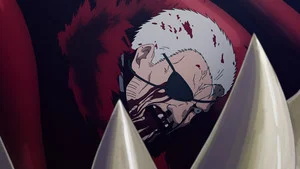
Rooster Fighter’s seventh episode doubles down on the series’ oddball charm: half monster-of-the-week action, half low-key avian slice-of-life, and a steady push forward on an emotional throughline. If you’ve been tuning in for the quirky bird antics and surprise lore drops, this installment delivers both—often within the same scene—while introducing a new face who promises to complicate Keiji’s journey.
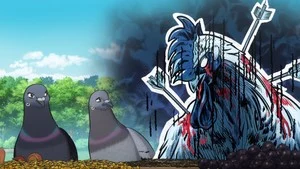
Table of Contents
Episode Overview: Comedy, Monsters, and Quiet Moments
This episode splits its runtime into two distinct halves. The first leans into low-effort, high-payoff comedy: Keiji and company get roped into various bird-centric diversions that largely exist to showcase character beats and deliver laughs. The second half pivots back to the series’ darker threads, revealing new demon lore, a surprising revelation about Sarah, and the introduction of Keiji’s half-brother. The tonal flip from silly skits to meaningful exposition is characteristic of Rooster Fighter—an often messy but effective blend of absurdity and pathos.
Bird-Centric Comedy: Minimal Animation, Maximal Charm
One of the episode’s funniest choices is how little it animates some of the bird gags, turning simple setups into memorable bits through timing, sound design, and character direction. A sequence involving pigeons and a “group date” concept is absurd, oddly specific, and somehow hilarious—especially when Keiji tries to play alpha-rooster. These scenes feel intentionally budget-conscious, but that thriftiness becomes a stylistic asset rather than a limitation. The show proves that personality and comedic staging often matter more than frame-by-frame polish.
Why the Low-Key Moments Work
- They build character: Tiny interactions—Keiji’s pecking, Elizabeth’s over-the-top bug-spray routine—reinforce who these characters are without overt exposition.
- They provide tonal relief: The lighthearted beats give the darker demon sequences more emotional weight by contrast.
- They showcase confident pacing: The episode trusts the audience to enjoy throwaway jokes, allowing plot-heavy moments to land later.
Demon Lore and Narrative Stakes
The episode gives us new information about demons and how they originate. For the first time, it’s made explicit that non-humans can transform into monsters—triggered by strong emotional responses such as shame or humiliation. This is dramatized through Piyoko’s attempt to protect a bullied lizard, which escalates when one aggressor “Hulks out” and becomes a monstrous snake-like creature.
Worldbuilding Questions Raised
While the show’s reveal is intriguing, it opens several questions: if ordinary animals can turn into demons from emotional triggers, why hasn’t the world collapsed into constant monstrous transformations? The episode gestures at a larger change in demon mechanics but doesn’t yet provide sufficient context. That ambiguity can be compelling—mystery keeps viewers invested—but it also risks undermining stakes if every minor affront can produce a kaiju-sized threat. For now, the mystery functions as a narrative hook rather than a fully realized explanation.
Character Development: Sarah’s Role and Emotional Resonance
A flashback with Sarah reveals that she developed powers before Keiji, reframing the phoenix symbolism that’s hovered over the series. This twist deepens Sarah’s role in the story and raises questions about lineage, trauma, and the origin of the show’s supernatural elements. The series manages to make these revelations feel earned by burying them in quiet character work rather than loud exposition.
Keisuke Enters the Picture: A New Dynamic
Perhaps the most consequential moment of the episode is the introduction of Keisuke, Keiji’s half-brother, teased in the opening animation and finally revealed here as a white silkie with his own scars—literal and emotional. Keisuke’s arrival signals potential family drama and a new emotional axis for Keiji to confront. Their reunion at episode’s end is brief but charged, giving future episodes something to mine for both conflict and catharsis.
What Keisuke Brings to the Table
- New emotional stakes: A sibling dynamic complicates Keiji’s lone-wolf crusade.
- Potential for mirrored trauma: Both brothers carry losses that could inform their approaches to fighting demons.
- Fresh chemistry: More chickens means more opportunities for the series’ signature blend of action and absurd humor.
Production Notes: Tone, Budget, and Pacing
Rooster Fighter continues to lean into a “do more with less” philosophy. Many of the episode’s funniest or most effective moments rely on staging, voice performance, and comedic timing rather than heavy animation. This approach keeps episodes brisk and rewatchable—even when plot progression slows. The show’s episodic structure (part monster-of-the-week, part serialized mysteries) allows it to toggle between payoffs and cliffhangers efficiently, so even filler-like episodes feel like parts of a larger machine.
Where to Watch
Rooster Fighter airs on Toonami and is available for streaming. You can find the series on Disney+/Hulu for viewers in supported regions—check your local streaming catalog for availability.
Final thoughts
Episode 7 of Rooster Fighter is a classic example of the show’s strengths and limits. It can be delightfully frivolous—squeezing laughs out of modest animation—and suddenly profound, dropping reveals that reshape character motivations. The episode doesn’t answer every question about demons or world logic, but it raises hooks that feel deliberately placed. Keisuke’s introduction is the clearest forward momentum here: more family, more emotional weight, and more opportunities for the series to balance absurd comedy with genuine stakes. If you enjoy oddball action shows with heart and a fondness for bird-based gags, this episode continues to deliver.