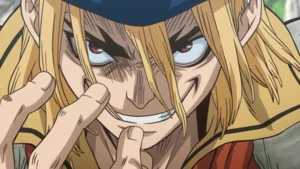
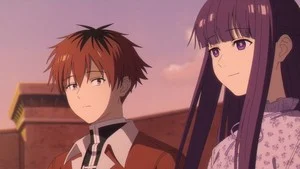
Nippon Sangoku: The Three Nations of the Crimson Sun continues to prove why it’s one of the most compelling military melodramas airing this season. Episodes 9–11 accelerate the emotional stakes and battlefield scheming, blending personal sacrifice with strategic gambits that leave viewers breathless. These chapters deepen character motivations while the series’ visual and musical design keep delivering knockout moments, making the season’s end feel both inevitable and painfully premature.
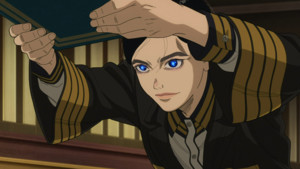
Table of Contents
Episodes 9–11 Overview: Momentum, Sacrifice, and Strategy
Across these three episodes the series doubles down on its strengths: taut plotting, layered character work, and a score that amplifies every beat. Episode 9, “Tears for Yayakichi,” manages to wring genuine sorrow from a brief character arc, while Episodes 10 and 11 pivot back to multi-front political and military maneuvering inside the Yamato camp. The storytelling balance between melodrama and military tactics remains a highlight, allowing quiet, heart-wrenching moments to land beside adrenaline-fueled ambushes.
Episode 9 — Tears for Yayakichi: A Short Life, a Big Impact
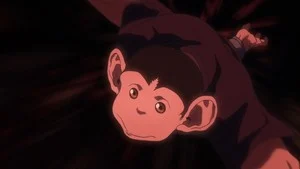
“Tears for Yayakichi” uses economy to powerful effect. The episode treats Yayakichi’s doomed coup as both personal tragedy and historical footnote, staging his downfall as an event retold with the weight of hindsight. The writing smartly frames Yayakichi as a character paradoxically seeking to preserve Ohga’s reputation even as he sabotages himself — a sacrificial act that resonates because the show has laid groundwork through earlier glimpses of his loyalty and fear. Through concise scenes and carefully chosen beats, the episode turns a brief arc into an emotional anchor for the episodes that follow.
Episodes 10–11 — Reunion of Mortal Enemies & Lie on Firewood and Council the Heavens
When the focus returns to Yamato, the series ramps up complexity. Ryumon’s Empty Fort gambit and its near-fatal fallout create immediate urgency; Kaku’s mysterious illness keeps the court’s power balance unstable; and Seii’s recuperation sets the stage for renewed confrontation. These episodes juggle multiple subplots yet maintain forward momentum because each subplot feeds into a shared strategic puzzle. The ensemble nature of the drama means no character is wasted — even setbacks are leveraged into larger plays.
Character Work: Aoteru and the Gentle Dictator
Aoteru’s return to the spotlight is a major pay-off. The show has built him not as a flashy swordsman but as a leader whose rhetoric and tactical insight wield as much force as any blade. His courtroom sequences are a masterclass in controlled presence: words are used like a strategist uses terrain, to bend opponents into traps of their own pride. Watching Aoteru rally allies and subtly correct the course of the war reaffirms why he’s the series’ moral and tactical center.
Meanwhile, the character labeled here as the “Gentle Dictator” is rendered with nuance and contradiction. Her hesitant cruelty, the guilt at executing a loyal advisor, and the glimpses of fear shown while fleeing Ryumon all contribute to a portrait of a ruler whose compassion and ruthlessness exist in tense equilibrium. This complexity makes her both sympathetic and unsettling — a superb foil to Aoteru’s steadier moral clarity.
Music and Atmosphere: Kevin Penkin’s Emotional Palette
Kevin Penkin’s soundtrack elevates nearly every scene. The score’s jazzy, melancholic textures are particularly effective during Yayakichi’s final march, where an English vocal line — evocative of classic Japanese OST aesthetics — lends the sequence an almost mythic sadness. Penkin’s themes provide tonal continuity across the episodes: they can underscore quiet grief, ratchet up the tension of council chambers, or broaden the emotional landscape during battlefield sequences. The composer’s work here is a key reason the show’s emotional beats land so consistently. For more on the composer’s style and credits, see an overview of his work on an external composer profile (rel=”nofollow”)
Direction, Pacing, and Visual Style
One recurring critique is how quickly each episode seems to pass — a credit to the show’s kinetic pacing rather than a flaw in content. The creators squeeze dense plot developments and meaningful character moments into compact runtimes, which can make the series feel too short each week. Visually, the series pairs sweeping, cinematic battle compositions with more intimate close-ups during emotional confrontations. These choices help the show to feel both epic and personal.
Trade-Offs: Brevity vs. Momentum
The fast pace occasionally leaves viewers wishing for more breathing room around major beats, but that same tempo keeps the drama taut and compelling. When the narrative needs to pivot quickly from court intrigue to battlefield tactics, this economy of storytelling is an asset. The season’s approach is confident: trust the audience to catch the subtext, and keep scenes moving so that energy never flags.
What These Episodes Mean for the Finale
With only one episode left in the season, the stakes feel exquisitely high. Ryumon’s sacrifice has opened tactical possibilities; Aoteru’s return to prominence shifts momentum back toward Yamato; and several characters are poised for decisive action. The finale has the potential to deliver a cathartic resolution that justifies the season’s relentless pacing and emotional investments. The best-case outcome is a conclusion that feels earned and sets the bar high for a second season — and these episodes lay the groundwork for exactly that kind of payoff.
Where to Watch
Nippon Sangoku: The Three Nations of the Crimson Sun is currently available for streaming on Amazon Prime. Watch on Prime Video.
Final thoughts
Episodes 9–11 of Nippon Sangoku continue the series’ streak of delivering high-stakes military drama infused with genuine emotional weight. The episodes are tightly paced, emotionally resonant, and musically rich, with standout performances from the ensemble and a score that amplifies every scene’s intent. If you’ve been invested so far, these chapters only deepen the reasons to keep watching; the finale promises to be a must-see event that could leave fans eagerly anticipating a second season.