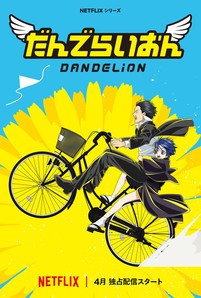
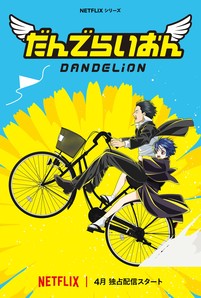
Dandelion — Angels, quotas, and unexpectedly tender farewells.
Set inside the Send-Off Department of the Japanese Angel Federation, Dandelion drops viewers into a world where angels are less ethereal guides and more overworked civil servants — two protagonists, Tetsuo Tanba and Misaki Kurogane, scramble to shepherd restless spirits toward peace while battling quotas, corporate apathy, and their own remaining humanity. What begins as a sharp, often hilarious one-shot premise expands into a full series that mixes dark comedy, gentle pathos, and a tacked-on shonen-style climax. In this review I’ll break down what works, where the series stumbles, and why its best moments are quietly affecting.
Table of Contents
Synopsis: a darkly comic premise with heart
Dandelion imagines an afterlife bureaucracy where lingering souls become a management problem. The Send-Off Department treats lingering spirits as tasks to be completed — quotas, paperwork, and efficiency trump solemnity. Against this corporate backdrop, Tanba and Misaki take the less-popular approach of actually listening to the dead, learning their regrets and helping them pass on with dignity. The series toggles between absurdist, near-slapstick moments — angels-as-debt-collectors — and deeply personal vignettes about memory, love, and forgiveness.
Characters and chemistry
The central duo offers a compelling tonal balance. Tanba is the rough-edged, pragmatic type who nonetheless reveals a quietly compassionate core; Misaki is more mischievous and emotionally open, the pair forming a dynamic that allows both comedy and empathy to land. A supporting bureaucrat, Masaki Kyouga, plays the straight man and administrative foil, grounding the laughs and allowing character beats to breathe.
Strengths in episodic storytelling
Where Dandelion excels is in its shorter, character-focused episodes. Small arcs — a grandfather’s wistful apology, a widow’s quiet routine that only one angel remembers — are executed with surprising tenderness. These slices of life emphasize memory and the small rituals that give life meaning, and they avoid overwrought melodrama by letting moments speak for themselves. Episode four, frequently cited by fans, is emblematic: a yearly pilgrimage, a single retained memory, and a payoff that rewards patience.
Writing, pacing, and the season arc
Tonally the show begins strong: crude humor blends with poignant payoffs, and the anthology-like structure gives each episode room to create an emotional micro-arc. Problems arise when the series attempts to broaden the scope. The mid- and late-season pivot toward a singular antagonist with corporate-meets-A.I. machinations feels divorced from the series’ intimate beginnings. Motivations get simplified into “daddy issues” and the show leans into an extended, action-heavy finale that runs nearly 38 minutes — a length and focus that undercuts the quieter, human moments that make the series memorable.
Why the climax disappoints
The finale’s “everyone join the big fight” approach borrows familiar shonen beats and spectacle but lacks the thematic integration seen in series that successfully mix comedy and action. Many participants in the climactic battle have had little causal connection to prior episodes, making the sequence feel like padding rather than a culmination. This mismatch between form and earlier content is the series’ primary narrative flaw.
Animation, art direction, and music
Technically, Dandelion offers serviceable animation with occasional bright spots. Character designs retain the expressive flexibility necessary for both visual comedy and emotional close-ups. Lighting and shading are a touch sharper than average for a gag-driven show, and nightlife scenes get a pleasant boost from art direction choices. The soundtrack is a standout: energetic and emotionally keyed, it provides heft to the series’ best scenes. Composer Yūki Hayashi’s work lends the show emotional clarity and momentum, proving how important scoring is when balancing laughs and tears. For background reading on Hayashi’s discography, his broader body of work can be explored on public sources like Wikipedia (link provided as reference). Yūki Hayashi — profile
The Gintama comparison and tonal lineage
Dandelion carries echoes of other meta-comedic series that blend slapstick with heartfelt beats. The series’ irreverent take on institutions and its occasional manzai-style exchanges may remind viewers of shows that mix sketch-based comedy with serialized heart. If you’re coming from a background of genre-savvy anime, Dandelion rewards those who appreciate when a gag-series can actually pause to mean something. For readers curious about a similar blend of comedy, drama, and meta-sketching, the long-running series Gintama is a natural comparison (see public reference). Gintama — context
Who should watch Dandelion?
Fans of character-driven anthology episodes, viewers who enjoy small, emotionally satisfying payoffs, and anyone who likes their comedy threaded with melancholy will find plenty to appreciate. If you expect a tightly constructed action finale or a high-stakes, thematically cohesive antagonist arc, you may leave feeling the series outstayed its welcome in the wrong places.
Final thoughts
Dandelion is a mixed but ultimately worthwhile series: its best moments are small and quietly devastating, driven by strong character chemistry and a clear emotional center. The show stumbles when it trades intimacy for spectacle, but even then its heart is visible beneath the clumsy finale. If you want an anime that can make you laugh at a bureaucratic angel and then quietly ache for the life one left behind, Dandelion delivers enough warmth to make the detours worthwhile.