This week’s MAO leans into exposition, introducing a new threat and slowing the momentum that drove the first half of the series. Episode 12 shifts focus from action beats to the mystery behind Mao’s past, revealing a new water sorcerer named Shiranui and deepening the tension around Nanoka’s fragile safety. While the episode isn’t heavy on plot progression, it solidifies character dynamics and sets a clear pathway for stakes to escalate in upcoming installments.
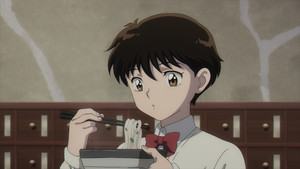
Table of Contents
Episode recap: Shiranui surfaces
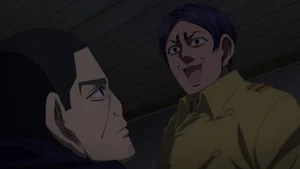
Episode 12 largely operates as an explanatory chapter. The main revelation is that the water sorcerer pursuing Mao is not Masago, as was widely suspected, but Shiranui—an associate of Masago with noticeably lesser skill. The episode uses this revelation to realign the direction of the hunt and to underscore how entrenched past conflicts remain. We also get more emotional color in quieter moments, notably scenes that deepen Hyakka’s role as a reluctant but dependable ally.
Character beats and interactions
Mao, Nanoka, and the Byoki
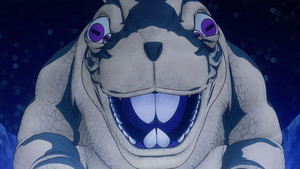
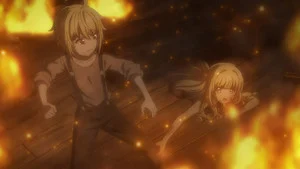
Mao remains the mysterious anchor of the narrative, calm but always at the center of danger. Nanoka’s arc in this episode amplifies her vulnerability: she confronts the Byoki again, and the episode highlights how precarious her situation is. A small but significant detail is the broken protection beads Nanoka possesses—an ominous sign that physical talismans might not be enough to shield her from supernatural threats. Whether they were left behind, forgotten, or purposely removed, the broken beads function as narrative foreshadowing for conflict escalation.
Hyakka’s quiet charm
One of the episode’s most satisfying moments is Hyakka’s small, humanizing scene where he offers udon and jokes about taking on a new “gig.” It’s a short exchange, but it establishes him as a comedic and grounded presence who lightens the tension. His reluctant-comrade energy makes him a quick fan favorite, and he now functions as the group’s emotional glue—someone who can diffuse tension while remaining useful in a pinch.
Pacing and narrative structure: slowing down to build mystery
This episode signals a slower section of the series after an initially brisk pace. Rumiko Takahashi’s work has a history of varied pacing—moving quickly when setup is needed, and slowing to develop character or deepen mystery. Compared to the opening episodes, Episode 12 pulls back on action to deliver exposition and character moments. That change may feel like a lull to viewers expecting continuous momentum, but it’s purposeful: the show is compounding clues about a millennium-old incident and the forces tied to Mao, which will likely pay off later.
Comparison to Takahashi’s earlier pacing
Fans familiar with Takahashi’s storytelling know she often alternates between sprint and stroll. In that light, this episode fits her pattern: build a rapid foundation, then linger to unpack relationships and backstory. While MAO so far still moves faster than some of her long-form works, taking time to explain Shiranui’s role and Nanoka’s predicament is necessary groundwork for future confrontations.
Thematic focus: memory, legacy, and fragile protection
Episode 12 reinforces themes of ancient legacies resurfacing and the limits of material protections. The Byoki’s renewed attention on Nanoka suggests that whatever happened a millennium ago still casts a long shadow. The broken beads are an effective visual and thematic shorthand: the world’s spiritual safeguards are imperfect, and personal courage or outside help may be required to withstand the rising threat. This motif—reliance on both talismans and human bonds—continues to anchor the series’ emotional core.
Visuals, tone, and atmosphere
Visually, the episode favors subdued, tense compositions over flashy action sequences. Backgrounds and lighting lean into a moody palette that matches the creeping dread of being hunted. Direction chooses close-ups on characters during key dialogues, allowing small gestures (like Hyakka offering udon) to carry weight. While not standout in terms of kinetic battles, Episode 12 is effective at atmosphere-building and letting subtler character interactions breathe.
What this sets up for episode 13
The cliffhanger—Nanoka encountering the Byoki sans effective protection—makes it clear Episode 13 will need to deliver on confrontation or meaningful reveals. The episode suggests either a rescue, a painful loss, or an unraveling of secrets tied to that thousand-year-old event. With Shiranui now identified, the scope of the antagonistic forces widens, raising questions about his motivations, his connection to Masago, and whether greater threats remain hidden.
For viewers seeking forward momentum, the promise is that the next installment should offer more narrative “meat”: either answers about the ancient incident, a deeper look at Shiranui’s skills (and why he’s considered inferior to Masago), or a tangible escalation in Nanoka’s danger. Regardless of the direction, this quieter episode has placed the necessary chess pieces.
Where to watch
MAO is currently streaming on Hulu.
For background on the creator and broader context, readers can consult the Rumiko Takahashi overview on Wikipedia (no follow): Rumiko Takahashi — Wikipedia.
Final thoughts
Episode 12 of MAO is a deliberate step back from action in favor of exposition and character texture. It may feel slower, but it successfully clarifies a key antagonist and heightens the stakes for Nanoka. Hyakka’s lighter moments provide emotional relief and deepen ensemble dynamics, while the broken beads and looming Byoki encounter keep suspense alive. If you’re invested in the mystery, this episode should reassure you that the series is laying careful groundwork for a more intense second act—one that could deliver either crucial answers or deeper mysteries.
The views and opinions expressed in this article are solely those of the author and do not necessarily represent the views of the site, its employees, owners, or sponsors.