This episode of Dorohedoro doubles down on what the series does best: brutal physicality, grotesque humor, and an atmosphere that teeters between black comedy and outright horror. From bone-crunching hand-to-hand combat to quiet, unsettling character moments, episode 9 pushes the cast into sharper relief while introducing a game-changing antagonist whose arrival reshapes the power dynamics of the sorcerer world.
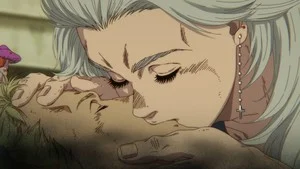
Table of Contents
Brutal, Tactile Action: Animation That Hits
The episode opens with a visceral punch-first mentality that captures Dorohedoro’s raw energy. The animation and sound design combine to give each strike a real tactile weight — there’s a sense that every blow could fracture bone or split skulls. The Shin versus Dokuga encounter exemplifies that approach: despite flashy curse powers and weaponry, the most satisfying moments are when two fighters simply trade brutal blows. The sound editing sells every hit, and the choreography keeps the momentum tight.
That said, the show’s visual palette occasionally works against clarity. When a lamp goes out and the scene plunges into darkness, the screen becomes muddy, making it harder to parse movement and spatial relationships. The murky lighting certainly bolsters the eerie tone — it’s effective for unsettling reveals — but it can also obscure key action beats unless you’re watching on a high-contrast display. A little more deliberate lighting contrast or selective highlights would have kept the mood without sacrificing readability.
Kai’s Arrival: Power Grab and Identity Theft
The core narrative turn this episode is the chilling debut of Kai. His violent act — killing En and transplanting En’s devil tumor into his own skull — is as literal as it is symbolic. By assuming En’s mushroom-based curse through physical appropriation of the tumor, Kai doesn’t just inherit a weapon; he inserts himself into En’s former social and political position. That seizure of power creates an immediate vacuum and sets up a new hierarchy in the sorcerer world. Kai’s rise is as much about replacing En’s presence as it is about the capabilities the tumor grants him.
The Cross-Eyes: Everyday Horror and Domestic Detail
With Kai now in the spotlight, the Cross-Eyes play the mundane roles of retainers in a mansion that feels disturbingly lived-in — and full of corpses. The juxtaposition of everyday chores and grotesque cleanup forms much of the episode’s dark humor. Little details, like the crew’s ecstatic discovery of a stockpile of toilet paper, humanize otherwise ruthless thugs. Dokuga’s near-tearful appreciation for a simple supply is a small, brilliant reminder of how poverty and survival shape even violent characters’ priorities.
Black Humor That Reveals Character
Q Hayashida’s writing excels at deploying macabre gags that also act as character shorthand. The sitcom-level joy over a well-stocked closet reveals practical concerns and frayed humanity in people who are otherwise brutal. Dokuga’s decision to keep En’s annoying cuckoo clock — not out of sentimentality but thrift — is one of those tiny details that adds depth without slow exposition. At the same time, the revelation that Kai murdered Risu to harvest his Curse magic reframes Dokuga’s loyalty as strategic; hierarchy matters more than petty vengeance in a world where power consolidates survival.
Foreshadowing and the Use of Quirky Beats
Subtle, seemingly silly elements continue to pay off in the narrative. Haru’s absurd death-metal bouts, which read as comic relief in previous episodes, become instrumental this week — driving Risu/Curse away after Kai’s “resurrection” and functioning as a clever piece of foreshadowing. These tonal shifts are a hallmark of Dorohedoro: off-kilter humor and horror are braided together so that a throwaway gag can suddenly become plot-relevant. That unpredictability keeps viewers actively engaged, scanning every moment for meaning.
Another recurring curiosity is Johnson, the giant talking cockroach. He continues to tail Kasukabe in ways that feel intentionally conspicuous. Is he just comic color, or might Johnson be a slow-burn plot thread? The show’s propensity for turning weird background details into major payoffs argues for the latter, and the more screentime Johnson gets, the more intriguing his potential role becomes.
Aikawa versus Kai: Two Faces of Sorcery
Aikawa’s easygoing demeanor contrasts starkly with Kai’s ruthlessness. Aikawa moves through the episode like someone with few regrets and deep loyalty; he’s quick to aid an old partner and seems genuinely oblivious to darker conspiracies surrounding Risu’s death. The bond between Aikawa and Risu feels authentic — intimacy built on history, not manipulation — which makes any suggestion of betrayal all the more troubling. If Aikawa had a hand in Risu’s fate, it would complicate a relationship that has been presented as almost tender amid the carnage.
Shin and Noi: The Violent OTP
Shin and Noi remain the emotional anchor of this bestial world. Their chemistry is an odd blend of affection and professional violence: moments of tenderness—Noi’s worried softness, Shin’s blush at her concern—sit comfortably beside their brutal efficiency as killers. The show’s animation choices reinforce their dynamic. Noi, in particular, receives careful, traditionally animated sequences that celebrate her muscular form without objectification, portraying strength and body positivity. It’s a rare, welcome portrayal in media that often sexualizes muscular women rather than honoring their power.
Where to Watch
Dorohedoro is available for streaming on Crunchyroll and Netflix for viewers who want to catch up or rewatch these scenes. Watch on Crunchyroll • Watch on Netflix
Final thoughts
Episode 9 of Dorohedoro tightens the screws on an already merciless world: new power arrangements form, grotesque humor underscores human vulnerability, and the series’ blend of tactile violence and offbeat character beats continues to surprise. Kai’s emergence reshapes the stakes, while smaller moments — Johnson’s persistent presence, the Cross-Eyes’ thrift-driven sentimentality, Shin and Noi’s tender brutality — keep the show grounded in personality. There are minor visual clarity concerns in darker sequences, but they don’t derail an otherwise forceful installment. For fans of Dorohedoro’s singular mix of horror and heart, this episode delivers punch after punch — both literal and narrative.