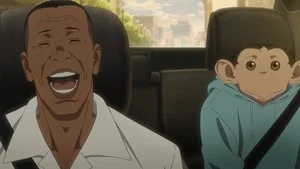
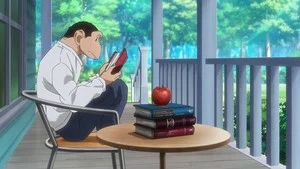
Episode 6 of Dorohedoro Season 2 leans into the series’ signature blend of bleak humanity and surreal, body-horror spectacle. What begins with small, humanizing moments quickly spirals into fever-dream imagery, mushroom-saturated set pieces, and narrative jolts that both reward long-time readers and test viewers’ patience for Hayashida’s nonlinear reveals. This episode exemplifies why Dorohedoro remains a wild, uncompromising experience: it refuses tidy answers while delivering unforgettable visuals and emotional beats.
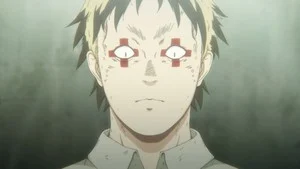
Table of Contents
Episode Snapshot: Small Details, Big Consequences
This episode opens on surprisingly mundane beats — Caiman counting gyoza in the sleepless hours, the Cross-Eyes fishing coins from a vending machine — grounding the world in everyday needs that persist even in a setting saturated with magic and madness. Those tiny, believable moments are vital: they keep the series tethered to relatable human desires even as it hurls viewers through grotesque and hallucinatory sequences.
Nightmare Logic, Surreal Pacing
Dorohedoro’s storytelling often operates with “nightmare logic,” where the associative chain between scenes can feel more like dream-jumping than conventional cause-and-effect. That unpredictability is a core draw, but it can also create jagged pacing. Episode 6 exemplifies both sides: an unexpected leap — Caiman briefly becoming Aikawa — lands dramatically because of earlier breadcrumbs, yet the reasons behind En’s mushroom reversal and the sudden separation from Nikaido remain deliberately opaque. For fans, the ambiguity is part of the fun; for others, it can be frustrating when payoff is postponed.
How the Episode Balances Confusion and Clarity
While some developments appear to come “out of nowhere,” attentive viewers will recognize echoes of past clues that justify the trajectory. The episode trusts its audience to hold multiple threads at once — character guilt, institutional violence, and a creeping parasitic threat — even when the narrative skips from one disturbing tableau to the next. This editing choice amplifies tension and keeps viewers guessing about the true scope of En’s influence and Aikawa’s past.
Body Horror and Visual Bravado
If you came for practical gore and nightmare design, Episode 6 won’t disappoint. From a chestburster-esque fungus to exposed brains and memory-palace landscapes that twist the familiar into the grotesque, the episode preserves the manga’s grisly tone. En’s smoke-powered flying motorcycle is one of the most stylish and badass visual moments of the season, while the shroom-filled backdrops add a psychedelic, hellish palette to confrontations.
Risu’s Transformation: A Triumph of Horror
Risu’s infection sequence is arguably the standout horror set-piece. The image of a Risu-shaped wisp of smoke emerging from Aikawa and then invading another body — accompanied by the wet, squelching sounds of new hands and teeth forcing their way out — is textbook Dorohedoro: imaginative, repulsive, and strangely magnetic. This kind of body horror works because the show treats the grotesque as both spectacle and emotional punctuation, not mere shock value.
Class, Power, and the Cross-Eyes
Beneath the gore and surrealism is a pointed critique of class and institutional privilege. The Cross-Eyes’ rescue mission and the social marginalization of non-magical people underscore how a society sorted by magical aptitude produces its own resistance movements. The Cross-Eyes are morally ambiguous, but their existence is a direct response to systemic inequality — a theme that remains strikingly relevant and gives the episode thematic weight beyond pure shock.
Sacrifice vs. Murder: The Episode’s Moral Tension
A recurring motif here is the contrast between selfless sacrifice and brutal killing. Asu’s apparent use of his last reserves to save Aikawa casts him as a tragic figure, yet Aikawa’s memory sequences are haunted by images of murder and betrayal. The visual metaphor of beheaded figures moving like viscous obstacles through his mind amplifies his internal guilt. Nikaido and Risu act as emotional anchors who tug at Aikawa’s conscience, pushing him toward either release or devastation. That moral ambiguity is what keeps the stakes emotionally resonant even amid the surreal set pieces.
Where This Leaves the Season
By the episode’s end, viewers are tantalized with glimpses of answers but still left with many questions — especially about the mechanics of En’s mushroom magic and the true identity of the people behind Caiman’s curse. The series continues to dance on the edge between revelation and obfuscation, refusing to hand over clarity too quickly. For those invested in the mystery, each episode offers new, disturbing clues; for casual viewers, the payoff may feel slow but visually arresting.
Where to Watch
Dorohedoro Season 2 is available to stream on major platforms. If you want to catch this chaotic, stylish ride for yourself, the series is streaming on Crunchyroll and Netflix.
Final thoughts
Episode 6 is quintessential Dorohedoro: a collision of grounded character beats and delirious, often uncomfortable imagery. It reinforces the show’s strengths — inventive creature design, a gritty underclass critique, and the willingness to embrace unpleasantness for narrative and emotional effect — while continuing Hayashida’s trend of teasing answers rather than delivering them outright. If you enjoy your dark fantasy with a heavy dose of body horror and unpredictable narrative leaps, this episode is another strong entry. For newcomers, be prepared: Dorohedoro asks you to stay awake, keep count of the clues, and accept that some mysteries will stay deliciously, maddeningly unresolved.