Episode 3 of The Warrior Princess and the Barbaric King shifts gears from battlefield spectacle to quiet, surprising introspection. After two episodes of loud clashes and clear-cut enemies, this installment peels back cultural assumptions and forces its protagonist, Sera, to confront the human cost of a war she once believed was righteous. Rather than relying solely on action, the episode uses small, intimate scenes to upend expectations and deepen the emotional stakes.
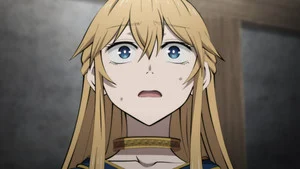
Table of Contents
Cultural Clash and Sera’s Awakening
The episode’s most compelling arc is the cultural revelation Sera experiences when she begins to see “the barbarians” not as faceless enemies, but as people with values, traditions, and dignity. Veor’s calm admission that his soldiers don’t seek her death—many merely want to test themselves against her—starts to fracture the black-and-white worldview she was raised to hold. This is not a simple conversion scene; it’s a gradual dawning that happens through encounters and small, human moments.
Meeting widows who lost husbands to Sera’s kingdom is especially powerful. Instead of fury and revenge, these women offer a pragmatic acceptance of loss shaped by their way of life. In a hunting society where death is commonplace—whether from monsters or the hardships of survival—grief exists alongside resilience. This perspective forces Sera to re-evaluate what vengeance and honor mean in a larger, more complex world.
Character Growth: From Battle Fury to Introspection
Sera has been set up as a warrior who rejected the narrow expectations of her homeland. But rejecting gender roles and questioning your upbringing are different things: the former can coexist with blind faith in the righteousness of one’s nation. Episode 3 nudges Sera toward genuine introspection. For the first time, she wrestles with whether her past deeds reflect the legacy she wants to leave.
That inner conflict is portrayed subtly. Rather than a melodramatic confession, Sera’s remorse arrives in quieter beats: the way she listens to villagers, her visible discomfort at their forgiveness, and the tears that finally slip when someone recognizes her strength without judgment. These moments make her feel more human and layered—no longer just a one-note warrior but a young woman forced to reconcile identity, duty, and empathy.
The Impact of Being Seen
One of the episode’s strongest emotional cues is how Veor and his people recognize Sera’s abilities without belittling her. Where her homeland treated her strength as aberrant, the villagers celebrate it. That validation is transformative for Sera: being seen and appreciated for what she is dismantles much of the shame and anger she carried into battle. Emotional development here is tied to social acceptance, which the series handles with subtle grace.
Veor’s Role: Ally, Mirror, and Cultural Bridge
Veor’s presence is important not because he saves Sera—although he does—but because his attitude reframes her achievements. He doesn’t patronize or fetishize her strength; he respects it. This dynamic becomes a mirror for Sera, showing that admiration and love can exist without domination or condescension.
His people’s treatment of Sera also makes a strong narrative point: the so-called “barbarians” often display more humane values than the ostensibly “civilized” forces that brought war. That reversal of expectations creates fertile ground for future conflict, not just between armies but within Sera herself as she decides where her loyalties will lie.
Visuals and Production: Quirks That Distract
While the episode’s storytelling is thoughtful, the production has its uneven moments. The CG monsters remain a mixed bag—their design can be impressive in concept but the integration into 2D scenes occasionally feels jarring. A recurring animation quirk—crowd members moving with identical hand gestures, except for one outlier who freezes—pulls the viewer out of immersion when noticed.
Despite these technical hiccups, the direction manages to convey emotional beats effectively. Close-ups, the timing of silence, and moments when the soundtrack softens all contribute to making Sera’s transformation feel earned. In short: the visuals don’t always match the ambition of the story, but they rarely undermine it completely.
Thematic Resonance: Different Doesn’t Mean Inferior
One of episode 3’s clearest messages is that cultural difference should not be conflated with moral inferiority. The show plays with historical and contemporary echoes—how civilizations demonize outsiders to justify conquest—but it avoids heavy-handed preaching by focusing on character reaction and nuance. You don’t need explicit polemic to recognize the commentary: scenes of simple hospitality and respectful admiration do the work quietly and effectively.
There’s also an interesting tension in the portrayal of Sera’s homeland. It’s not painted as irredeemable; rather, the series implies there are things that society does well—training disciplined knights, for instance—but also blind spots. That balance makes the world feel lived-in and complex, and keeps the audience curious about what other facets of each culture will be revealed later.
Where the Story Might Head from Here
Going forward, the series has several promising directions. Will Sera become an emissary for understanding between cultures, or will political pressures force her hand toward continued conflict? Will Veor’s admiration translate into a larger diplomatic bridge, or will outside forces exploit the goodwill between individuals for their own ends?
There’s also the personal arc: Sera must decide what kind of legacy she wants. Is she content to be remembered as a fearsome knight who cut down foes in battle, or does she want the quieter legacy of a person who helped heal divisions? The show has set up these questions with care; how it answers them will determine how satisfying the larger narrative becomes.
Warrior Princess and the Barbaric King is currently streaming on Crunchyroll.
Final thoughts
Episode 3 is a welcome pivot from spectacle to substance. By centering cultural nuance and Sera’s emotional growth, the series deepens its stakes and becomes more than just another fantasy battle anime. Production inconsistencies are present, but they don’t overshadow the episode’s core achievement: making its protagonist confront the human consequences of war and offering a believable path toward empathy. If the show continues to balance thoughtful character work with its epic trappings, it could become one of the more memorable anime of the season.