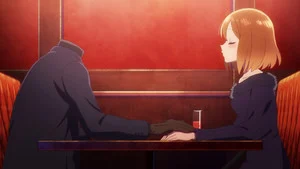
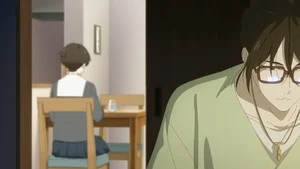
Roll Over and Die’s episode 9 continues to juggle tender character beats with grotesque fantasy setpieces, but the balance tilts toward introspection this week — for better and worse. The episode expands the series’ found-family theme and gives viewers meaningful interactions between the cast, yet the plot’s momentum sputters as a result. Below I break down what works, what doesn’t, and why this installment feels like a transition episode rather than a turning point.

Table of Contents
Narrative Momentum: Slowing Down the Dark Fantasy
Episode 9 trades the more urgent tempo of earlier installments for a slower, character-focused pace. That choice yields richer emotional beats in places — particularly in scenes where Flum and those around her reflect on trauma and belonging — but it also leaves the central conspiracy thread feeling stalled. A powerful organization (the Church) with opaque labs and secret agendas should prompt investigations and tense cover-ups; instead, the show allows blatant monstrosities to parade through town for too long before institutional responses kick in. This undermines urgency and makes the plot feel less cohesive.
Why pacing matters
Slower pacing can deepen characterization and let moments breathe, but only if those moments contribute to forward motion or meaningful stakes. Here, the introspective scenes illuminate why characters behave a certain way, but they rarely escalate the conflict beyond personal reflection. As a result, the series briefly loses the friction that turns character moments into dramatic propulsion.
Character Work: Found Family and Emotional Resonance
Where episode 9 truly shines is in its treatment of found family. Flashbacks and present-day interactions reinforce how children and survivors create makeshift families in wartime. Sara’s recollections about Maria, Ed, and Jonny are warm and heartbreaking; they establish a sense of shared survival that makes the later losses hit harder.
Flum’s growth and empathy
Flum remains an interesting protagonist because her emotional arc isn’t about sudden competence but gradual understanding. Her newfound physical strength is paired with clearer mental space to empathize with others — especially Cyrill, whose loss of powers after betraying Flum reads like an externalized guilt penalty. Rather than responding with revenge, Flum’s empathy suggests the narrative wants reconciliation more than spectacle, which is an emotionally intelligent choice even if it slows the plot.
Supporting cast: Eterna, Ink and the healing angle
Small interactions deliver big moments. Eterna’s gentle perception that Ink is masking trauma is tender and effective; their dynamic is a highlight, capturing how survivors can recognize and help each other. Moments of levity — like the localized “mofo” gag — also help the episode avoid being crushingly bleak. The romance between Flum and Milkit is still handled with warmth; Milkit’s bandages functioning as both defense and emotional armor is a nice touch that speaks to character-specific worldbuilding.
Action and Production: When Grotesque Meets Goofy
The episode tries to blend dark atmosphere with shock horror in its monster sequences, but the execution wavers. The Church’s apparent laissez-faire attitude toward the abominations creates tonal dissonance: a secretive institution that inexplicably allows public spectacle undermines plausibility. Visually, the eyeball rain and the chase that follows are memorable images, but the animation quality doesn’t always sell the menace. At times, the threat looks oddly comical — a swarm of deadly marbles rather than an existential danger — which saps tension from confrontations that should feel dire.
Deaths and dramatic payoff
Ed and Jonny’s deaths are telegraphed early, and while their sacrifice provides emotional weight, it lacks the unpredictability that would have amplified its impact. The episode leans on expected “death flags” instead of twisting expectations; the result is sincere but predictable mourning rather than gutting surprise.
Thematic Thread: Resentment, Spiral, and Repercussions
One recurring motif this episode uses effectively is the spiral — both literal and symbolic. Personal resentments and grudges expand outward, warping entire institutions like the adventurers’ guild. Kahnis’ hunger for power culminates in ruthless decisions, and Dein’s transformation into a literal monster mirrors how vengeance consumes a person until they become unrecognizable. These threads reinforce the show’s core idea: trauma and ambition can metastasize into societal-level harm when left unchecked.
The adventurers’ guild as microcosm
The disintegration of the guild mirrors the opposite theme of found family. Where Flum’s home fosters care and mutual aid, the guild becomes a pressure cooker of pride, rivalry, and corruption. That contrast is one of the series’ strongest dramatic tools — it shows two different responses to trauma and power colliding within the same narrative space.
What the Episode Misses (and Where It Could Improve)
- Stronger linkage between character beats and plot urgency: Scenes that deepen character should also ratchet the stakes.
- More consistent production in action sequences: The visual tone should match the narrative intent to keep dread convincing.
- Less predictability in major character deaths: Subverting expectations could heighten emotional impact.
For viewers who favor character drama and emotional nuance, episode 9 will land well. For those craving escalating conspiracy and crisp, tension-filled pacing, it may feel like a lull.
Where to Watch
Roll Over and Die is currently streaming on Crunchyroll. You can also find series listings and community discussions on pages like MyAnimeList for additional context.
Final thoughts
Episode 9 of Roll Over and Die is an emotionally centered chapter that strengthens the show’s themes of found family and trauma recovery, even as it sacrifices some plot momentum to do so. Strong character interactions — especially moments between Flum, Milkit, Eterna, and Ink — are the episode’s heart, while the darker, more grotesque elements suffer from inconsistent execution. If the series can reunite this emotional intelligence with sharper pacing and more convincing action, the season still has the potential to deliver a powerful dark-fantasy arc. For now, episode 9 feels like a heartfelt pause: rewarding in its intimacy, but impatiently waiting for the storm to return.