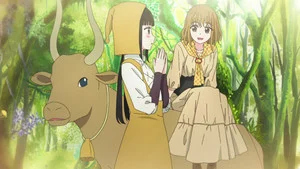
Roll Over and Die’s episode 8 continues to walk the line between tender found-family drama and the darker trappings of its Narou-derived source material. This entry gives us some genuinely affecting moments — especially in the post-credits beat — while also revealing recurring tonal problems: slapstick handling of slavery, inconsistent romantic stakes between Flum and Milkit, and narrative shortcuts that smooth over thornier themes. Below I break down the episode’s highs and lows, character beats worth watching, and why this series still has the potential to push its best ideas further.
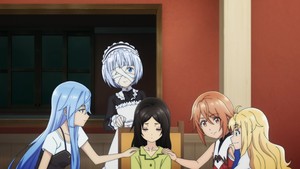
Table of Contents
Episode 8 — Quick Overview
Episode 8 leans into character work more than spectacle, using quieter scenes to develop the household Flum is building. The show balances a handful of lighter comedy beats with genuinely tender moments between the core cast, but the contrast also exposes the series’ uneven approach to darker material. Where it excels — found-family warmth, short intimate gestures — the payoff is real. Where it fumbles — jokes that hinge on slavery or inconsistent romantic framing — the episode leaves a sour aftertaste.
Slavery as Punchline: An Uncomfortable Choice
One of the clearest issues this week is how the episode treats slavery as a setup for a joke. When Ink mistakes Milkit for Flum’s sex slave, the moment is framed as a comedic confirmation of Milkit’s growing comfort in the household. That may be the intent, but the effect is troubling: using enslavement as a punchline trivializes an institution the show otherwise invokes with some seriousness. The story dips into the girls’ slave status when convenient, and doing so for levity undercuts opportunities for meaningful exploration of the trauma the characters carry.
Flum and Milkit: Tender Moments vs. Tonal Whiplash
The emotional core of the episode is Flum and Milkit’s relationship. There are genuinely sweet beats — including a post-credits scene that plays things straight and tender — but the series keeps flipping those beats into jokes. Milkit’s flustered reaction to the idea of marriage reads like an adorable character trait in one scene and a punchline in another. The result is an inconsistent treatment of their romance: it teases depth and vulnerability, but seldom lets either stick without immediately reframing it for comedy.
Branded Intimacy
A high point remains the quiet moment where the girls “kiss” with their slave brands. That scene is affecting precisely because it turns pain into intimacy; it’s an act of mutual recognition and tenderness between two wounded people. The show nails that fragile intimacy — it’s a reminder the series can handle difficult emotional material when it chooses to.
Milkit’s Healing: Symbolic or Problematic?
Milkit’s facial healing functions as a symbolic shorthand for inner repair: as her exterior recovers, the narrative suggests her emotional wounds follow. That reading is serviceable but unsatisfying. It risks valorizing conventional beauty standards by implying restoration of physical attractiveness equals personal healing. A more interesting path would have been to interrogate that very assumption — to show how disfigurement or visible scars do not lessen Milkit’s personhood or her worthiness of love. In a story that otherwise subverts authority and social norms, this is a missed chance to deepen the thematic critique.
Ink Wreathcraft: Trauma, Performance, and Growth
Ink continues to be one of the episode’s most intriguing figures. At first glance she plays the “generic cute anime child” trope, but that surface-level innocence reads as protective performance: a plausible coping mechanism after trauma. If she’s intentionally projecting amnesia or an exaggerated cheeriness to survive, that makes her manipulation of the household plausible without turning her into a villain. The likely reveal that Ink is learning to trust her new family — recognizing that “you live together, even though you’re not family” — is one of the episode’s warmest moments and an important beat for the found-family thread.
Blindness as Character Detail
One quibble remains: the series sometimes treats Ink’s blindness like an accessory rather than an integrated facet of her identity. If her blindness is performative, that would reframe the criticism; if genuine, the show should make it feel intrinsic to how she navigates the world rather than a temporary prop.
Gendered Family Structures and Social Commentary
The episode draws a stark contrast between Flum’s household and the hypermasculine guild culture led by Dein. Flum’s home is an accumulation of compassionate female figures and queer-adjacent intimacy; Dein’s world is dominated by male posturing, betrayal, and a churn toward the next “strongest” leader. The juxtaposition isn’t subtle, and it works as a critique of toxic masculinity in microcosm: cooperative, empathetic networks versus Hobbesian strength hierarchies. The single guild character who shows real empathy toward Flum is a woman, and even a small plot beat (her standing up and walking) underscores the narrative’s gendered contrasts.
Dein’s Turn to Religion: Genuine Repentance or Image Management?
Dein’s sudden religious conversion introduces an intriguing twist. In the real world we’ve often seen abusers and problematic public figures adopt religious language or piety as a public face of reform without deep accountability. Dein trading one form of assimilation (a literal “flesh ball” transformation) for mental assimilation into Church dogma plays into that concern. It could be a genuine step toward psychological repair if handled with nuance, or it could be narrative window dressing. Either way, his arc is one to watch — the show has an opportunity to interrogate performative atonement.
Where Episode 8 Succeeds
- Quiet moments of emotional resonance, especially the post-credits scene between Flum and Milkit.
- Ink’s gradual trust-building and the explicit framing of “found family” as healing.
- Clear social commentary on gendered power structures and how different groups rebuild after trauma.
Where It Falters
- Using slavery as a source of humor undermines the story’s capacity for serious critique.
- Inconsistent tonal treatment of Flum and Milkit’s romance makes emotional investment harder.
- Milkit’s facial healing leans on problematic beauty standards rather than challenging them.
Roll Over and Die is currently streaming on Crunchyroll.
Final thoughts
Episode 8 is emblematic of this series’ strengths and weaknesses: it can create genuinely moving, intimate moments and compelling social contrasts, but it sometimes retreats into uncomfortable narrative shortcuts and tonal inconsistency. If the show leans into its quieter strengths — the fragile intimacy, found-family dynamics, and social critique — and resists treating serious concepts as comedic props, it could become a much richer, more thoughtful dark fantasy. For now, it remains worth watching for its emotional beats, even as it frustrates with missed opportunities.