Episode 4 of Ramparts of Ice peels back another layer of mystery while deepening the emotional core of Koyuki’s story. This chapter focuses on the fraught past between Koyuki and Igarashi, and how adolescent cruelty can be disguised as “banter” or group curiosity. Between careful character beats and quiet, painful revelations, the episode balances tension and tender teenage moments with remarkable subtlety.
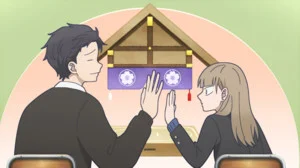
Table of Contents
Episode highlights: a closer look at Koyuki and Igarashi
This episode zeroes in on one central question: what exactly was Igarashi’s relationship with Koyuki? Small visual clues and terse dialogue suggest that their connection was more intimate than previously implied. Flashbacks and memory-triggered reactions reveal that he wasn’t just a casual spark for the bullying—he used the closeness of whatever they had to wound her in ways that still sting.
One of the most telling beats is Koyuki’s internal recollection while answering Minato’s simple question about hobbies. As she enumerates ordinary pastimes like “reading” and “watching movies,” a memory of Igarashi’s sneer surfaces, specifically mocking those tastes. A single frame of him in a movie theater chair changes the entire context: are we meant to believe they dated? If so, the betrayal feels more intimate and more malicious—someone who knew her vulnerabilities weaponized them.
The anatomy of rumor: how gossip compounds harm
Episode 4 does an excellent job portraying how gossip metastasizes in a middle school environment. Questions about “how far they went,” whispering teammates, and the label of being a “pick me” accumulate into a social force that isolates Koyuki. The show doesn’t over-explain these dynamics; it merely lays them out, letting viewers feel how relentless and ordinary cruelty can become.
Why gossip hurts so much
Gossip is part of human social behavior—an attempt to map social bonds and make sense of relationships—but it has a dark side. Even if curiosity drives some conversations, the result can be deeply damaging. In Koyuki’s case, the lack of a protective or loving presence makes every whisper cut deeper. Ramparts of Ice captures that vulnerability: she wasn’t just bullied publicly, she was betrayed by someone she trusted.
Present-day Igarashi: more than just an antagonist?
When the soccer team arrives for joint practice, we meet the current Igarashi: scowling, entitled, and inclined to insult. He’s rude to Miki and dismissive toward the group, and his presence makes the schoolyard feel colder. The series hints at complexity—why is he so resentful?—but it also allows him to be, in the moment, sharply unpleasant. The show resists making him an inscrutable villain or a one-note bully; instead it presents him as an abrasive personality whose past actions had profound consequences.
Miki’s ambiguous role and the broken-window image
Miki’s character continues to intrigue. Her cheerful, idol-like present contrasts with hints about her middle school image and a cryptic comment about “not wanting to cause more trouble” for Koyuki. The broken-window reference ties Miki to earlier flashbacks, suggesting there’s more to the story than casual cruelty—perhaps choices made under pressure, or avoidance that later turns into guilt or secrecy.
Reputation, reinvention, and the cost of reinvention
Miki exemplifies how teens reinvent themselves to survive their environment. Her bright persona may be protective armor; her reluctance to elaborate to Minato suggests unresolved complications. The series treats her arc with nuance—she is not excused, but she is allowed complexity.
Small details, big emotional beats
Amid heavy themes, Episode 4 still finds room for playful, human moments. Asagawa’s writing nails the texture of teen interactions: the hand-size comparison with Yota, the off-brand family-restaurant antics, and the little competitions among friends. These scenes function as essential counterpoints, reminding the viewer that even amid trauma, teenagers remain children in many ways—capable of laughter, awkward flirtation, and simple games.
These lighter beats are not throwaways. They give the characters space to breathe and reveal how the group’s everyday kindness and goofiness provide the fragile scaffolding for Koyuki’s recovery. The contrasts make the harsher scenes land that much harder.
Why Asagawa’s handling of teen socialization stands out
Asagawa demonstrates a delicate touch in mapping adolescent social worlds. The show answers questions while spawning new mysteries, creating an unfolding sense of intrigue. Scenes are economical yet emotionally rich, and the pacing lets revelations land naturally. The balance between exposition and implication is expertly handled—viewers learn just enough to feel the stakes without being spoon-fed every detail.
Where to watch
Ramparts of Ice is currently streaming on Netflix. For further reading on the social dynamics explored in this episode, see a general overview of bullying and peer pressure on Wikipedia (Bullying).
Final thoughts
Episode 4 of Ramparts of Ice deepens the series’ emotional resonance by revealing how intimate betrayals and public rumor work together to scar. Through quiet direction, thoughtful writing, and believable teen interactions, the episode makes Koyuki’s pain feel immediate without resorting to melodrama. At the same time, the show keeps things alive with small, authentic moments among friends that hint at healing. This chapter confirms that Ramparts of Ice is not just a mystery about past events—it’s a sensitive study of how young people survive, reshape themselves, and learn to trust again.