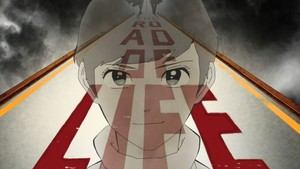
Episode 6 of Needy Girl Overdose digs deeper into the show’s central contradictions: beauty as currency and beauty as prison. This installment centers on Michica, using her experiences to explore the alienation that comes when a person’s value is constantly reduced to their looks. With striking visuals and a sharp thematic focus, the episode balances uncomfortable intimacy with pointed social critique.
Table of Contents
Episode 6 — What Happens and Why It Matters
This episode spends nearly its entire runtime on how Michica experiences the world when everything she’s given praise for is inherently superficial and beyond her control. The plot is less about dramatic beats and more a mood piece: scenes of being admired, misread, and boxed-in recur to undercut any simple joy that might come from attention. Rather than treating attractiveness as an unalloyed advantage, the episode frames it as a lens that distorts interpersonal relationships and devalues other forms of merit, like artistic knowledge or emotional labor.
Michica’s Alienation: Pretty Privilege as a Double-Edged Sword
“Pretty privilege” is usually discussed as a social advantage, but Episode 6 flips that script to show how attractiveness can be alienating. Michica clearly has intellectual passions — film, art, and a vocabulary to match — yet the people around her keep circling back to her looks. That repeated reduction leaves her isolated from the very conversations she longs to have. The episode captures the loneliness of being appreciated only for what you cannot help, juxtaposing Michica’s interiority with the shallow public gaze.
Performance and Self-Destruction
One of the episode’s more compelling tensions is how Michica consciously uses her looks as a resource while simultaneously being constrained by them. The show acknowledges the labor behind cultivating an attractive image, but also shows how that labor becomes a trap: the allure of being admired reinforces self-destructive desires like dying beautiful and perfect. The reward of external validation becomes a feedback loop, intensifying the psychological stakes.
Visuals and Direction: Atmosphere as Storytelling
Needy Girl Overdose has always been visually striking, and here the direction leans into battering emotional resonance with strong, evocative imagery. Color palettes and framing create a sense of performative space—Michica is often shown in ways that emphasize how she’s being looked at, sometimes framed like an exhibit rather than a person. These choices aren’t merely decorative; they serve the episode’s thesis about objectification and the social architecture that produces it.
Sound and Pacing
The episode’s pacing is deliberately languid, favoring extended beats that allow introspection and discomfort to grow. Sound design often isolates ambient noises or mutes crowd chatter to center Michica’s subjective experience. This slows the narrative in service of empathy: viewers are forced into her perspective, making the emotional loneliness more immediate.
Narrative Structure: Vignettes vs. Serial Plot
This installment continues the series’ tendency toward character-focused vignettes rather than a single linear plot. That approach lets the show examine different social conditions in depth, but it also invites frustration: threads introduced in one episode—like a hint about Nechika’s background—are teased without immediate payoff. For viewers craving a tighter, overarching storyline, Episode 6 may feel like another poignant but isolated moment. However, for those who appreciate micro-studies of character, the format lets each personality breathe and complicate the show’s thematic tapestry.
Questions Left Open
The episode raises questions—particularly around identity and backstory—that it intentionally leaves unresolved. One notable tease is the implication around Nechika’s gender history. Rather than explain, the show hints and holds back, creating anticipation but also a gnawing desire for more complete context. This storytelling choice keeps the audience invested but may test the patience of those who prefer clearer narrative answers.
Comparisons and Context
Needy Girl Overdose sits in a contemporary trend of anime that interrogate modern femininity and internet culture through surreal and sometimes cruel lenses. Where some series opt for satire or melodrama, this show uses quiet psychological pressure—intimate framing, social microaggressions, and slow-burn character study—to make its point. If you’re drawn to anime that prioritize mood and social critique over action, this episode is a strong example of that aesthetic.
Where to Watch
Needy Girl Overdose is available to stream on Crunchyroll. Watch on Crunchyroll.
Rating
As a thematic and visual piece, Episode 6 is one of the series’ more affecting entries. It’s not perfect—its vignette structure and withheld reveals may frustrate viewers who want a plot-forward pace—but its piercing look at how beauty functions as both power and prison is powerful. Rating: 4/5.
Final thoughts
Episode 6 of Needy Girl Overdose is an intimate dissection of appearance-driven value and the emotional toll it takes. Through Michica’s story the show complicates easy readings of privilege, revealing how benefit and burden can coexist. Visually confident and thematically sharp, the episode may not satisfy viewers who crave rapid plot progression, but it rewards those invested in character study and social commentary. Needy Girl Overdose continues to be one of the most provocative and visually distinctive anime of the season—one that asks uncomfortable questions and refuses tidy answers.