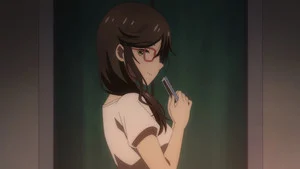
Agents of the Four Seasons: Dance of Spring’s sixth episode, “A Place to Call Home,” is an earnest attempt to deepen the emotional stakes of Sakura and Hinagiku’s fraught relationship—but it’s hamstrung by repetitive flashbacks and an overreliance on melodrama. While some sequences land with real visual and emotional power, the episode too often chooses to show every step of a familiar journey instead of trusting the audience to fill in the gaps. The result is a story that sometimes feels bogged down by its own devotion to sentimentality rather than propelled by the mysteries and threats that could make it compelling.
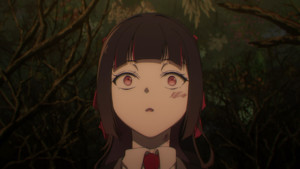
Table of Contents
Episode recap: what “A Place to Call Home” gives us
Much of this episode is structured around repeated flashbacks that revisit Hinagiku’s abandonment and the fallout among the Spring Village girls. The narrative flips between Sakura’s present-day anguish and a series of memories—Hinagiku trapped, Sakura’s desperate attempts to rescue her, and the emotional collapse that followed. Interspersed with these scenes are hints at a larger threat: a mysterious captor known as “Mother” and the Insurgents who took Hinagiku. However, the present-day storyline moves at a sluggish pace, leaving the flashbacks to carry most of the episode’s emotional weight.
Flashbacks vs. forward momentum: where editing would have helped
There’s a writing maxim that applies perfectly here: sometimes you must “kill your darlings.” The episode’s flashbacks feel like the creative team’s favorite passages, repeatedly brought out and paraded before the audience. When a series leans on the same emotional revelations across multiple sequences, those moments lose potency. Instead of a single, well-placed flashback that reframes the present, we get several near-identical beats that state the obvious—Hinagiku was abandoned, Sakura was devastated, and their bond was irrevocably changed.
Why repetition weakens the drama
Repetition can be an effective tool when used to build theme or escalate stakes. In this case, though, the flashbacks provide marginal new information and mostly reiterate feelings we already understand. The repeated sobbing and long embraces create empathy, but they fail to advance character arcs or reveal new motives. This isn’t a question of cutting emotion—it’s about trimming redundant moments so the remaining scenes can breathe and the plot can move forward.
Emotional highlights: when the episode succeeds
The episode isn’t without merit. Several visual metaphors land beautifully—most notably the sequence where Sakura rips through Hinagiku’s nest of thorns and brambles to reach her. That image feels tailor-made for animated storytelling: it symbolizes both the danger around Hinagiku and the lengths Sakura will go to protect what she loves. When the show trusts imagery instead of exposition, it reaches genuine emotional clarity.
Performances and direction
The voice work carries the rawness of these scenes, and the direction leans into close-ups and slow cuts to emphasize grief and reunion. These are the moments where the episode almost justifies its indulgence; they remind viewers why this relationship is worth investing in—and why tighter editing could have made those beats even more powerful.
Missed opportunities: “Mother” and the Insurgents
One frustrating aspect of the episode is how it teases a potentially intriguing antagonist—“Mother”—and then retreats back into the comfort zone of interpersonal melodrama. The introduction of a captor who could illuminate the Insurgents’ motivations and methods is the first real scent of danger all season. Exploring that angle would not only raise stakes but also give fuller context to Hinagiku’s trauma, making the emotional fallout far more meaningful.
How expanding the mystery would help
Showcasing more about the Insurgents and their aims would transform Hinagiku’s backstory from a repeating wound into a key piece of the central conflict. Is Hinagiku a pawn in a broader scheme? What ideological or strategic reasons would the Insurgents have for their cruelty? The episode hints at these questions, but then chooses to linger on weeping reunions instead of following the thread.
Pacing and structure: why the episode feels sluggish
The present-day plot moves at a crawl, which makes the flashbacks feel like filler—even when they’re the more interesting material. Better pacing would have cut the fat: one or two well-placed flashbacks could have delivered the necessary context while leaving room for the present-day narrative to progress. As it stands, the episode’s structure undercuts suspense and makes important new elements feel like afterthoughts.
What the show does well (and should keep doing)
- Visual symbolism: scenes like the thorn-nest rescue are powerful and should be used sparingly for maximum impact.
- Character chemistry: the bond between Sakura and Hinagiku remains the series’ emotional core.
- Voice acting and mood: performers sell the grief and tenderness, elevating otherwise redundant scenes.
Where the series should go next
To regain momentum, Agents of the Four Seasons should lean into mystery and action—develop the Insurgents, follow the “Mother” subplot, and tighten the flashback usage to those moments that reveal new information or change relationships. The show can still deliver heartfelt scenes, but they should be strategically placed to maximize emotional payoff rather than spread thin across repetitive beats.
If you want to catch up or rewatch the series, Agents of the Four Seasons: Dance of Spring is available on Crunchyroll, and you can find additional details on community pages like MyAnimeList for episode listings and character info.
Final thoughts
“A Place to Call Home” contains beautiful moments that showcase what Agents of the Four Seasons can achieve, yet it’s also a reminder that sentiment alone doesn’t make for compelling storytelling. By pruning repetitive flashbacks and leaning into the series’ nascent mysteries, future episodes could turn Hinagiku’s past into a catalyst for real narrative momentum. For now, the episode is a mixed bag: emotionally earnest, visually striking at times, but ultimately hindered by structure and a reluctance to move beyond its most familiar beats.