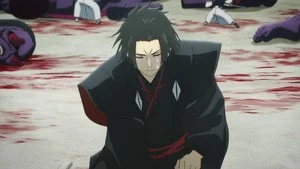
My Hero Academia: Vigilantes Season 2 Episode 20 takes a softer, character-focused approach that leans into quiet worldbuilding and emotional setup more than explosive plot development. This entry acts as a slice-of-life detour—showcasing Aizawa’s early steps toward the person he becomes—while setting the stage for a darker twist. The episode’s strengths are its animation flourishes and moments of genuine warmth, but its pacing and sense of inevitability make parts of it feel like preparatory padding rather than indispensable storytelling.
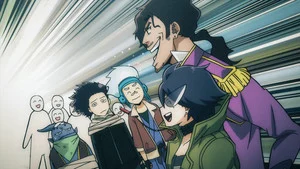
Table of Contents
Episode Overview: A Calmer Beat Before the Storm
This episode trades high-stakes heroics for character moments: Aizawa and Oboro are presented as a functional duo, exchanging practical tips and emotional support as they navigate early vigilante work and high school plans. There are some well-animated action beats, but the emphasis is on cozy interactions and groundwork—establishing the bond that will later be tested by tragedy. The episode’s aim is clear: deepen Aizawa’s backstory and show what he has to lose so that later consequences land harder.
Character Dynamics: Aizawa and Oboro
Who Carries the Emotional Weight?
Aizawa is shown grappling with his limitations and frustration, while Oboro acts as the optimistic counterbalance. The episode makes it plain that Oboro provides both practical help and emotional steadiness—small things like suggesting goggles to protect Aizawa’s eyes become emblematic of their relationship. However, the emotional bond occasionally reads as more functional than deeply earned: viewers familiar with the main series may understand the stakes, but the episode doesn’t always sell why we should feel that same depth of attachment to Oboro himself.
Supporting Cast and Missed Opportunities
Other vigilantes are present but sidelined, which narrows the camera on Aizawa-Oboro interactions. A rivalry subplot (the “explosion guy”) shows off the show’s animation chops, but it feels ancillary—rich in movement, light on impact. The episode could have used a bit more focused bonding: extended, quieter moments that reveal personality rather than rely on exposition would have made the later twist hit harder.
Animation, Direction, and Production Values
Where the episode earns consistent praise is in its animation. Action set pieces—though brief—are well-staged and fluid, showing that the studio still knows how to craft kinetic, readable combat scenes. Direction favors close-ups and small physical beats, emphasizing gestures and micro-interactions over spectacle. That choice suits the episode’s intimate intent, even if it also exposes issues with pacing when the narrative stakes feel predetermined.
Pacing and Narrative Choices
This installment runs the risk inherent to many prequel/flashback episodes: because viewers already know an outcome, the episode must either justify its detour through fresh emotional insight or risk feeling like filler. Here, the episode sits somewhere in between. It provides smoother tonal beats and character color, but it doesn’t quite transcend its role as setup. The result is a watchable, often pleasant hour that occasionally feels like it’s merely “killing time” until the inevitable twist arrives.
When Flashbacks Need to Earn Their Keep
Prequels are most effective when they force the audience to forget the ending long enough to feel the payoff again. That requires concentrated development of character chemistry and stakes. This episode shows the foundation of Aizawa and Oboro’s relationship, but the connection isn’t explored deeply enough to obscure the viewer’s knowledge of what’s coming. As a result, much of the emotional resonance is deferred—dependent on the aftermath rather than the episode itself.
Thematic Resonance: Growth, Codependency, and Motivation
At its core, this episode asks why a jaded, pragmatic figure like Aizawa would be pulled toward a life of teaching and mentorship. Oboro’s optimism and practical support function as a mirror—showing Aizawa what he can be when supported. Thematically, the episode explores codependency and how relationships shape career and life choices. If this arc pays off in later episodes by pushing Aizawa toward UA and the teacher role fans know him for, then the episode will have succeeded as connective tissue.
Where This Episode Fits in the Season
Placed mid-season, the episode aims to humanize a pivotal character and provide emotional context for later tragedy. As a connective piece it mostly works: the aesthetic and tone help deepen the world. However, its placement also highlights the season’s structural tension between delivering fresh plot and expanding backstory. Fans who prefer steady character work will appreciate the quiet moments; viewers hoping for forward momentum may find the episode sluggish.
Streaming and Where to Watch
My Hero Academia: Vigilantes Season 2 is available to stream on major platforms. For viewers looking to catch up or rewatch this episode, check official streaming services such as Crunchyroll (rel=”nofollow”) to ensure legal, high-quality viewing. For manga readers wanting more background on some of these characters, the series is also covered by official distributors like VIZ Media (rel=”nofollow”).
Final Thoughts
Episode 20 of Vigilantes Season 2 is a well-animated, character-minded detour that prioritizes warmth and small details over dramatic revelation. It succeeds in giving Aizawa moments of quiet growth and in highlighting the practical, supportive friendship that shaped him—yet it occasionally falters because those moments don’t fully erase the viewer’s knowledge of the coming tragedy. If the following episodes capitalize on this setup and deliver a payoff that deepens both characters, this episode will read as necessary groundwork. As a standalone installment, it’s pleasant and skillful but somewhat too aware of its role as emotional scaffolding.