My Hero Academia: Vigilantes Season 2’s episode 18 marks a tonal and narrative shift for the series: a welcome return of a fan-favorite vigilante collides with plot threads that are growing steadily more complicated. The episode balances quieter, character-driven moments with a tightening mystery about how “triggers” are being used — and who benefits from them. Below I break down the episode’s strongest beats, the surprise revelations, and what this all means for the rest of the season.
Table of Contents
Episode Recap: Familiar Faces and New Stakes
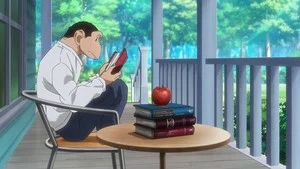
Episode 18 reunites us with Knuckleduster, whose return immediately re-centers the show’s vigilante ethos. The first half leans into quieter, slice-of-life beats — a mixer set-up that plays with audience expectations — before escalating into a tense second half where the stakes and the series’ mythology both get a push forward. Small character moments coexist with bigger reveals, and the episode trades raw action for emotional grounding and plot complication.
Knuckleduster’s Return: Why It Matters
There’s a reason Knuckleduster’s presence changes the tone of the show. He embodies the gritty, uncompromising side of vigilantism: someone who does what he believes is necessary without the safety net of legality or celebrity. The empathy the story builds around his relationship with his daughter gives his actions emotional weight. Bringing him back after a noticeable absence restores a moral anchor the season had been missing, and his scenes are treated with a quiet gravitas that lifts the whole episode.
Veteran Vigilante vs. Modern Chaos
Knuckleduster functions as a bridge between old-school hero ideals and the morally ambiguous world of Vigilantes. His grim practicality contrasts with the opportunistic chaos created by the new distribution of triggers. That contrast highlights the differences between past and present approaches to heroism in this universe — and makes his personal arc more compelling when the show reveals how closely tied his history is to current events.
Koichi and the Mixer: Comedy, Character, or Misstep?
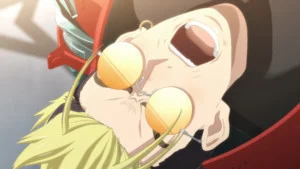
The episode’s lighter moments — centered on Koichi at a mixer — contain some smart comedic beats, but also a few narrative missteps. The setup initially suggests Koichi is working undercover to aid Eraserhead, but the reveal that his presence is coincidental plays into the show’s ongoing gag that Koichi often feels peripheral in his own story. That tone works for comedy, but the choice to use Pop for the undercover portion felt narratively thin: Pop’s quirk has limited application in a crowded bar, and more experienced vigilantes might have made the sting feel earned rather than convenient.
Character Dynamics
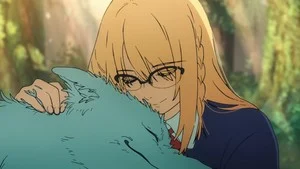
Still, these moments do highlight Koichi’s innocence and vulnerability — qualities that make his bond with Knuckleduster feel meaningful. The show continues to play with Koichi being both earnest and underestimated, which in turn raises the emotional stakes when he’s placed up against more dangerous players.
The Triggers: New Uses, New Dangers
One of the episode’s most important developments is the way triggers are framed. Previously used primarily to cause mass unrest or amplify violence, triggers are now clearly being repurposed: as a test for quirk potential, a tool to recruit or conscript new users, and a commodity for those who want to steal abilities. While the latest trigger seems weaker individually compared to earlier examples, its ease of distribution makes it far more insidious. This decentralization creates a different kind of chaos — smaller but broader — that can destabilize neighborhoods and make vigilante work unpredictably dangerous.
Implications for Vigilantes and Heroes
That shift forces vigilantes to act more reactively and pushes the narrative into morally gray territory. Who can be trusted? How do you protect people when the threat is both widespread and subtle? The episode uses these questions to justify Knuckleduster’s involvement despite his apparent distance from the immediate conflict.
Big Twist: Knuckleduster’s Hidden Past
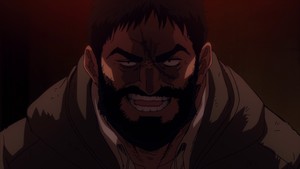
The episode drops a reveal that reframes everything: Knuckleduster isn’t just a grizzled anonymous vigilante — he has a significant past in the professional hero world. The hints were there (the scar, his intimate knowledge of hero culture), but the confirmation that he has a direct link to the acceleration hero — and to the former mentor of the current antagonist — transforms the stakes. Suddenly the conflict isn’t just about new, dangerous triggers; it’s personal.
Mentor, Traitor, and Parallel Paths
The emotional resonance comes from juxtaposing Knuckleduster’s choice to mentor someone like Koichi against the trajectory of his former pupil, who became narcissistic and villainous. This mirrors a central theme of the wider franchise: the same system can produce heroes and abusers depending on choices and circumstance. When Koichi eventually meets the speed-user, the confrontation will carry emotional weight because it’s framed as not only physical conflict but also a clash of ideals and legacies.
Where the Season Might Be Headed
With the reveal out of the bag and the triggers’ new role established, the show appears poised to broaden its focus. However, the next episode is set to pivot into Eraserhead’s backstory — a narrative decision that feels risky. Eraserhead is compelling and his history is worth exploring, but the timing may slow the current momentum unless those flashbacks tie directly into the trigger plot. If done well, a detour into Eraserhead’s past could enrich the antagonist’s motivations and provide necessary context; if mishandled, it could feel like padding.
Animation, Direction, and Tone
Visually the episode delivers what fans expect: gritty action when it matters and intimate framing for quieter moments. Direction prioritizes character beats over spectacle this week, and that choice helps the emotional revelations land. Sound design and score are used sparingly during dramatic reveals, which benefits the atmosphere — the quieter the moment, the louder the implication that bigger conflicts are about to resurface.
Where to Watch
My Hero Academia: Vigilantes Season 2 is available to stream on Crunchyroll for viewers who want to catch up. Watch on Crunchyroll.
Note: The episode’s discussion and character analysis here are by design spoiler-aware but try to preserve the main surprises for first-time viewers. For creator commentary and additional chat on retro media, the reviewer streams as an indie VTuber. Bolts The Mechanic on Twitch.
Final thoughts
Episode 18 of My Hero Academia: Vigilantes Season 2 is a strong character piece that reintroduces Knuckleduster at just the right moment and reframes the conflict in a more personal light. The shifting role of triggers adds a dangerous unpredictability that suits the show’s vigilante focus, and the reveal about Knuckleduster’s past deepens the emotional stakes. The upcoming detour into Eraserhead’s backstory is a gamble — it could enrich the season or stall momentum — but for now the series is riding high on character-driven tension and meaningful moral ambiguity. If the show keeps balancing quieter revelations with escalation, the rest of the season promises to be a rewarding mix of action and introspection.