After an arc-heavy stretch, MARRIAGETOXIN’s episode 12 serves as the big action beat that ties up most of the current storyline. While the episode delivers strong sakuga and an adrenaline-fueled climax, its emotional payoff and pacing wobble at times. Below I break down the episode’s highs and lows, what the fights mean for character growth, and where the series might steer for the finale.

Table of Contents
Episode 12 — Quick recap
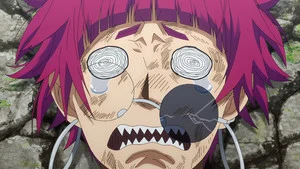
Episode 12 mostly focuses on resolving Gero’s showdown with Dogo and wrapping up the Beast Clan subplot. Dogo pushes his chimera powers to grotesque extremes, forcing Gero to take extreme measures. Meanwhile, Kimie rallies discarded Beast Clan members in an attempt to neutralize Dogo’s monstrous transformation. The episode prioritizes kinetic confrontation and spectacle over quieter, character-driven beats.
Gero vs Dogo: Power, risk, and the cost of growth
The central sequence in this episode is Gero’s risky escalation. The fight is presented as both physical and symbolic: by ingesting more of his own poisons and overriding the strict limits imposed on him since childhood, Gero unlocks a new phase of his Poison Master ability. Visually and conceptually this is effective — the poisons become an immediate, tangible threat to Dogo, culminating in a striking final takedown.
Gero’s development — meaningful or convenient?
On the thematic level, the idea of Gero breaking free from ingrained caution is compelling. The character has been defined by restraint, and this act of overreaching is meant to signal a step toward autonomy and self-realization. The problem is execution: this is not the first time Gero has had a “breakthrough” moment, and the emotional stakes around this particular escalation never feel quite high enough to justify such a dramatic leap. As a result, the sequence sometimes reads as a convenience — an immediate power-up to solve the plot rather than the earned outcome of long-term development.
Dogo as antagonist — sympathy vs spectacle
Dogo is presented primarily as a heel: his backstory explains an aggressive posture rooted in bullying and ridicule, but that context does little to invite sympathy after he responds with wanton violence. The show gives a quick origin beat — ostracized for having a smaller animal partner — yet follows it with gleeful brutality. This choice cements Dogo’s role as an antagonist to be stopped rather than a tragic figure to empathize with. That clarity helps fuel the action but blunts potential emotional complexity.
Kimie and the Beast Clan: A missed chance for emotional payoff
Kimie’s arc in this episode is thematically satisfying on paper. Gathering the abandoned Beast Clan members and leveraging their love for animal partners to counter Dogo’s chimera form fits the series’ recurring motifs about bonds and belonging. However, the execution doesn’t match earlier emotional peaks, like Shiori’s recent storyline, leaving Kimie’s moment feeling underlit. Given how little spotlight she’s had in recent episodes, the sequence could have used more breathing room to resonate.
Animation and action — BONES at its best
If there’s one clear triumph here, it’s the animation. The episode leans heavily into lavish action animation: gruesome chimera transformations, inventive poison visuals, and dynamic camera work make the fights exciting to watch. BONES continues to demonstrate why it’s a studio to watch when it comes to action presentation. Even if the narrative support isn’t always perfect, the sheer spectacle of the climactic scenes is hard to fault.
Pacing and exposition issues
Where the episode stumbles is pacing. Several minutes are devoted to exposition and build-up that could have been tightened without losing narrative clarity. Much of the payoff is contained in Gero’s internal leap rather than external twists, so long expository stretches feel disproportionate to the emotional content they deliver. That padding lessens the impact of the high points and draws attention to the episode’s structural weaknesses.
What this resolution implies going forward
With the arc largely concluded, the season’s finale has an opportunity to shift the tonal balance back toward rom-com elements and character interaction — the series’ strongest suit when it smartly mixes relationship comedy into its combat beats. Dogo’s fate feels unresolved in some ways (and the presence of a harsher family member suggests consequences ahead), so the finale can still address loose threads while returning to the lighter, more intimate moments that made earlier episodes stand out.
Where to watch
MARRIAGETOXIN is currently streaming on Crunchyroll. If you missed previous episodes, catching up will help the finale land emotional payoffs more effectively.
What worked, what didn’t — quick summary
- What worked: top-tier fight choreography and animation; a clear visual identity for Gero’s poison abilities; satisfying spectacle in the climactic sequences.
- What didn’t: uneven emotional investment in the antagonist and supporting cast; bloated exposition that weakens pacing; Kimie’s resolution deserved more focus.
Final thoughts
Episode 12 of MARRIAGETOXIN delivers a thrilling, polished action finale for the arc, showcasing BONES’ ability to animate high-energy sequences with flair. Yet the episode’s greatest weakness is that its most important emotional beats are often undercut by convenient escalation and overlong exposition. If the finale leans back into the series’ rom-com strengths and gives sidelined characters more meaningful attention, the season could end on a stronger, more balanced note. For viewers who enjoy well-staged battles and striking visuals, this episode is a satisfying watch — for those seeking deeper character work, it leaves a few important things unresolved.