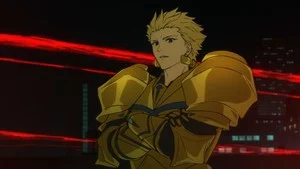
Rumiko Takahashi’s MAO lands with all the familiar trappings fans expect from the creator of genre classics — romantic sparks, supernatural menace, and a playful yet eerie atmosphere — while leaning into darker mystery beats than many of her earlier works. If you’ve watched the first few episodes, you’ve already felt the shadow of InuYasha in the premise: a present-day girl slips into another time, meets a powerful boy who fights malevolent spirits, and slowly discovers her own role in the supernatural conflict. But MAO is carving out its own identity with its Taisho-era backdrop and stronger emphasis on horror and investigation.
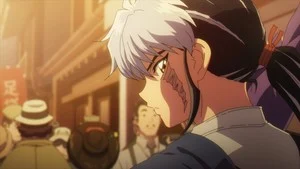
Table of Contents
MAO — Quick premise and first impressions
At its core, MAO follows a modern girl who inadvertently travels back in time to the Taisho era (1912–1926) and encounters dangerous supernatural entities. She soon meets the enigmatic boy whose job it is to confront and destroy these creatures. The pilot episodes lean into mystery: why did she cross times? What is the boy’s true nature? How do the spirits operate? These questions set up a plot that can support both episodic monster confrontations and a serialized uncovering of secrets.
Why the InuYasha comparisons stick
The comparisons to InuYasha are unavoidable and, to many viewers, intentional. The structural parallels are clear — a present-day heroine crossing into a historical period, a charismatic male protagonist with a dangerous supernatural edge, and a monster-of-the-week format that can double as worldbuilding. Even smaller elements — classmates, mistaken illness back home, and thread-based enemies — echo Takahashi’s earlier work.
Familiar DNA, fresh tone
Where MAO diverges is in tone. While InuYasha often balanced action, romance, and comedy, MAO leans more heavily into horror and mystery. Rather than relying on constant humor or romantic beats to break tension, MAO builds atmosphere and suspense. This gives the series a sharper, sometimes bleaker edge — but not a relentlessly gloomy one. Takahashi’s knack for character moments and moody settings remains a strength, and here it helps the series feel distinct despite surface-level similarities.
The Taisho era setting — an underused historical playground
One of MAO’s most exciting choices is its Taisho-era setting. This period in Japan was a fast-moving social and technological transition point, offering fertile ground for storytelling — from modernity clashing with tradition to the cultural anxieties that haunt the supernatural landscape. So far the anime has hinted at this context more than fully exploited it, but the potential is enormous. If Takahashi leans into the era’s specificities — fashion, politics, folklore tied to modernization — MAO could stand out as a period piece as much as a fantasy series.
Tone and pacing: mystery first, action second
MAO’s opening episodes suggest the series intends to prioritize mystery and atmosphere. The pacing favors lingering on unsettling moments, teasing revelations, and letting the horror elements breathe. That emphasis differentiates MAO from straightforward action-adventure anime and positions it closer to serialized supernatural mysteries. This structure could help MAO avoid being swallowed by repetitive filler — though, amusingly, the show also lends itself to episodic stories in the classic Takahashi mold when it chooses.
Room for episodic charm
There’s also nostalgia in imagining MAO as a weekly supernatural mystery with occasional filler episodes that deepen character relationships or showcase Takahashi’s lighter touch — the kind of pacing that made Ranma ½ and other long-running series feel cozy and unpredictable. If executed thoughtfully, episodic detours could enhance worldbuilding without diluting the central mystery.
Production: Sunrise’s role and visual identity
The anime’s production by Sunrise brings certain expectations: solid action choreography, polished visuals, and a cinematic feel in key set-piece moments. MAO benefits from these strengths while maintaining Takahashi’s character-driven design sensibility. The art direction highlights the Taisho era’s contrast with the modern world and uses shadow and color to sell the series’ eerie atmosphere. While not every episode will be a visual knockout, the production supports the show’s thematic aims.
Who should watch MAO?
- Fans of Rumiko Takahashi who want a modern work that channels her classic strengths: mood, character, and supernatural intrigue.
- Viewers who enjoyed InuYasha and are curious about a darker, more mystery-focused take on the present-meets-past concept.
- Anyone who appreciates period settings with supernatural twists — the Taisho backdrop gives MAO a historical flavor that sets it apart from contemporary urban fantasy.
If you’re in the mood for something that reads like a love letter to Takahashi’s earlier work but aims to deepen the horror and mystery elements, MAO is worth checking out. The show is also available to stream; you can find MAO on Crunchyroll’s platform (link below) if you want to jump in. Watch MAO on Crunchyroll
Strengths and caveats
Strengths: Strong atmosphere, intriguing mystery hooks, a protagonist dynamic that recalls classic Takahashi chemistry, and a unique Taisho setting. Caveats: Early episodes lean heavily on familiar formulas from the author’s past hits, which can feel derivative to seasoned fans, and the series has yet to fully exploit its historical setting.
Further reading
For background on Rumiko Takahashi’s broader career and how MAO fits into her body of work, this overview is a useful primer: Rumiko Takahashi — Wikipedia.
Final thoughts
MAO is an engaging blend of nostalgia and new direction. It wears its InuYasha influences proudly but swaps some of that series’ lighter touches for a more atmospheric, mystery-first approach. With its Taisho-era setting, solid production values from Sunrise, and Takahashi’s dependable character writing, MAO has the pieces to become a memorable supernatural series. If you appreciate moody mysteries wrapped in classic shōnen-style confrontations — and you’re curious to see Takahashi play in a slightly darker sandbox — MAO is well worth your time.