Episode 13 of MAO tries to carry forward the mystery built so far, but it ultimately stumbles on a familiar storytelling misstep: resolving a cliffhanger off-screen and explaining it later via flashback. That choice kills much of the momentum the series had been building and leaves a lot of promising threads feeling flattened rather than advanced. Below I break down what this episode does right, where it falters, and why the pacing decisions matter for the show’s larger mystery.

Table of Contents
Episode recap: Not-so-satisfying answers in flashback
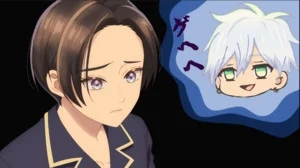
Rather than picking up immediately where last week left off, episode 13 starts well after Nanoka’s encounter with the Byoki and fills the gap through a flashback. In that flashback the Byoki tells Nanoka it doesn’t intend to harm her, claims Mao will need him someday, and offers that she can call on him when necessary. The scene is meant to assuage fears and deepen the lore, but by hiding the pivotal moment off-screen the episode robs itself of tension and urgency.
Pacing and structure: When the momentum dies
One of the most frustrating aspects of the episode is how it undercuts the cliffhanger from episode 12. Instead of continuing the immediate aftermath and letting viewers feel the consequences in real time, the episode opts for retrospection. When a series pauses an unresolved moment and reframes it as memory, it reduces the stakes and the audience’s emotional investment. That choice is especially noticeable here because MAO had been operating at a faster pace in its early episodes, and this abrupt slowing feels like a step back.
The Takahashi pacing signature
Rumiko Takahashi’s works often trade high-octane openings for more measured middle stretches, and MAO is no exception. Early episodes kept viewers on their toes, but this episode aligns with the slower cadence many readers associate with her storytelling. The problem isn’t necessarily a slow episode in itself — character breathing room can be valuable — but the timing and treatment here make it feel like momentum wasted rather than a deliberate pause.
Character beats: Missed opportunities with key players
Two issues stand out in how the episode handles characters. First, Shiranui’s presence is surprisingly minimal. Given recent developments and the implication that his role is becoming pivotal, sidelining him this episode is baffling. Second, the interaction between Nanoka and the Byoki — a protagonist facing a character framed as a major antagonist — should be a showstopper. Instead, because it’s relegated to a flashback frill, it reads as forced drama rather than an earned turning point.
Nanoka and the Byoki: Odd tonal choices
There’s a tonal mismatch when a creature presented as a looming threat casually assures Nanoka it won’t harm her and offers to be summoned. If handled on-screen with tension and nuance, it could deepen the mystery: why would a “big bad” say this, and what does that imply about Mao’s fate? Off-screen, however, the scene feels like a convenient explanation that dodges the chance to showcase the crosstalk between danger and trust.
What worked in the episode
Even with its flaws, episode 13 isn’t without merit. The flashback does provide crucial exposition — the Byoki’s claim that Mao will need him introduces an intriguing piece to the puzzle. The interaction also hints at a layered relationship between the series’ supernatural elements and its human protagonists, suggesting future emotional stakes. The writing still plants seeds that could pay off later, and the show’s atmosphere remains strong when it leans into the eerie and uncanny.
What fell short
- Handling a cliffhanger off-screen undermines suspense.
- Key characters (notably Shiranui) receive little development at a moment when their presence should feel significant.
- The flashback framing turns what should be dramatic confrontation into a summary, reducing emotional impact.
- It raises doubts about whether the series will deliver substantive payoffs in a timely way.
Implications for the series’ mystery
The central mystery — Mao’s past, the Byoki’s intentions, and how Nanoka fits into the supernatural web — still has legs. But narrative trust is fragile: once a show repeatedly skirts immediate resolution, viewers begin to suspect future cliffhangers will be sidestepped in the same way. That lingering suspicion can blunt excitement for upcoming episodes. MAO has the ingredients for a compelling slow-burn, but it needs to demonstrate that long-run pacing will lead to meaningful revelations, not repeated narrative evasions.
Will Takahashi deliver?
Given the creator’s track record, it’s reasonable to expect eventual payoff. The concern is the “eventually” part — how many slower episodes will pass before the series rewards the audience? Episode 13 sows curiosity but also seeds impatience. For viewers invested in the mystery, this episode will feel like a promise postponed.
Where to watch
MAO is available to stream on Hulu. If you want to follow along with the series, you can find it here: MAO on Hulu.
Final thoughts
Episode 13 of MAO offers important lore and a potentially intriguing reframe of the Byoki’s role, but its structural choices blunt the moment’s impact. By resolving a cliffhanger off-screen and relying on flashback, the episode sacrifices tension and undermines momentum the show had built earlier. That said, the revelations contained within the flashback still matter — they could seed future payoffs — so the episode isn’t without value. For now, the biggest question is whether upcoming episodes will return to immediacy and deliver clear progress on the central mystery, or whether the series will continue to favor reflective pauses over forward motion. Fans should stay tuned, but temper expectations for immediate answers.