The latest entry in Jujutsu Kaisen Season 3 — episode 51 — delivers a visceral, adrenaline-fueled spectacle that cements MAPPA’s reputation for breathtaking action choreography on television. Visually, this episode feels more like a feature film than a weekly TV installment: kinetic camera work, blood-soaked set pieces, and a soundtrack that turns brutality into triumphant catharsis. Yet beneath the dazzling animation lies a recurring issue — the episode leans heavily on spectacle to manufacture emotional weight, and that thin foundation leaves several character beats feeling undercut.
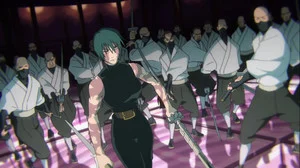
Table of Contents
Visual Bravado: Animation That Demands Attention
From the opening seconds, episode 51 refuses to be ignored. MAPPA employs a daring mix of fluid character motion, stylized violence, and cinematic framing that at times recalls auteur action cinema — think Kill Bill’s choreography and bold color palettes. Every strike and flourish is composed to maximize impact: camera angles whip through close quarters, cuts accentuate the rhythm of combat, and the editing turns gore into a kind of ecstatic punctuation.
Stylistic Choices and Manga Roots
Fans of the manga may remember Gege Akutami’s art becoming sketchier during these sequences; that rawer linework translated into a frantic energy on the page. The anime adaptation takes that frenetic energy and polishes it without losing the edge, marrying refined animation with a sketch-inspired intensity. The result is a hybrid that feels both faithful to the source material’s spirit and elevated by animated motion.
Performance & Sound: How Music Elevates the Carnage
One of the episode’s standout achievements is its use of music to shape tone. The score turns otherwise gruesome moments into triumphant crescendos, making Maki’s rampage feel less like revenge and more like a release. That tonal shift is deliberate and effective: the joyous, almost celebratory music reframes violence as empowerment for the protagonist, enhancing engagement even when logical storytelling falls short.
Voice Acting and Pacing
The voice direction supports the animation’s intensity, with lines delivered to accentuate pain, fury, and grim determination. However, the episode’s breathless pacing — while exhilarating — occasionally sacrifices quieter character beats. Moments that should linger for emotional payoff are swept away by the need to sustain momentum, which leads into the episode’s central weakness.
Character Stakes: When Spectacle Replaces Substance
For all its animation virtuosity, episode 51 struggles to make the audience truly care about what’s being destroyed. Maki’s arc — historically framed by ostracization and familial abuse — has the bones of a powerful emotional journey, but here feels somewhat transactional. Key relationships, like the one between Maki and her sister Mai, were established earlier in the series yet haven’t been given sufficient contemporary flesh to make the losses fully resonate in this episode.
The Problem with Shortcut Emotion
Using high-octane fight sequences and shocking deaths to manufacture empathy is a common trope in shonen adaptations, and MAPPA leans on it effectively here. The problem is that spectacle can only carry emotional weight for so long. When a character’s development has been mostly defined in relation to other, more fleshed-out figures (Yuta, Toji), moments intended as catharsis can feel like power-up triggers rather than authentic tragedy.
Naoya and the Undercut of Dramatic Payoff
Another example: Naoya’s defeat at the episode’s climax is narratively satisfying — symbolically dismantling the oppressive Zenin hierarchy — but the emotional impact is diminished because we’d already seen him humiliated earlier in the season. The show has told us Naoya is a threat; it hasn’t always shown us enough to make his final downfall land with the dramatic heft the scene implies. That dissonance pulls at the seams of an otherwise spectacular hour.
Design, Choreography, and Thematic Resonance
Visually the episode threads thematic elements into its choreography. The Zenin clan’s legacy of exploitation and enforced hierarchy is reflected in the brutalism of the fight sequences: an institutional coldness met with raw, personal fury. Maki’s actions are staged not just as revenge, but as a statement against systemic cruelty. That conceptual coherence elevates several scenes beyond mere action set pieces, even if the surrounding narrative context could be stronger.
Where the Episode Excels
- Outstanding animation and fluid fight direction that rival theatrical productions.
- Bold sound design and scoring that turn gore into catharsis.
- Clear thematic framing that critiques institutional abuse through visceral spectacle.
Where It Stumbles
- Emotional beats sometimes feel manufactured due to uneven character development.
- Some antagonist moments lose impact because prior on-screen buildup was lacking.
- Breathless pacing prioritizes momentum over reflective payoff.
Where to Watch
Jujutsu Kaisen Season 3 is currently available for streaming; international viewers can find episodes on licensed platforms such as Crunchyroll. For additional studio information, MAPPA’s official site provides production insights and announcements (external): MAPPA.
Final thoughts
Episode 51 of Jujutsu Kaisen Season 3 is a dazzling demonstration of what televised anime can achieve when animation, sound, and choreography are pushed to their limits. MAPPA delivers sequences that will live on in highlight reels and fan edits for years. But brilliance in execution doesn’t always equate to emotional resonance. The episode’s reliance on spectacle occasionally undermines the weight of pivotal moments, making some payoffs feel more like showy crescendos than earned catharsis. Still, if you want an episode that makes you sit forward in your seat and leaves you pumped, this is one of the season’s undeniable high points — even as it reminds us that stellar animation and stronger character work must go hand in hand to make the impact truly lasting.