“Having someone around constantly is enough to tire me out.” That line from Makio in Journal with Witch’s episode 4 lands like a quiet punch — familiar to anyone who guards their social energy. Episode 4 expands beyond a single relatable quip, digging into the complicated emotional geography between introversion and longing, and exposing how distance — both physical and emotional — shapes the fragile bond between Makio and her foster niece, Asa.
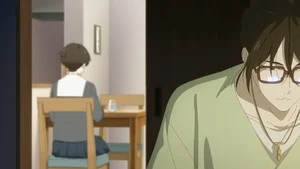
Table of Contents
Asa and Makio: Two Sides of Loneliness
Episode 4 smartly contrasts Makio’s weary solitude with Asa’s outspoken attempts to belong. Makio, now living alone by choice, deeply values her “fortress of solitude” — a theme many viewers will identify with as rent prices and adult responsibilities force compromises on personal space. That need for solitude isn’t painted as simply selfish; the episode makes clear it’s a coping mechanism shaped by past hurt. Makio’s brusque exterior and avoidance of emotional labor hide a woman who still cowers under the shadow of her sister’s cruelty.
Asa, at 15, is the emotional foil: bright, eager to stand out, and vulnerable in ways Makio has long trained herself to avoid. Her attempts to connect — probing at Makio’s emotions, leaving her journal out in hope — read as honest, tender strategies from someone still learning how to ask for support. The show reminds us that loneliness isn’t exclusive to introverts; extroverted loneliness exists, too, and often looks like unmet expectations and awkward social reach-outs.
Distance as a Narrative and Visual Motif
“Distance” is the keyword of this episode. After earlier installments established the characters’ proximity, episode 4 reframes separation as a tangible barrier. Small actions — leaving a conversation to buy milk, eating alone, a journal left open on a table — are cinematic shorthand for the emotional gaps that persist between them. The writing leverages these moments to show rather than tell: bodies occupy rooms, but hearts remain a few inches apart.
Physical Separation Reflecting Emotional Walls
Director and storyboard choices emphasize how physical spacing underscores isolation. The camera lingers on empty chairs or frames characters at opposite sides of a room, reinforcing the idea that closeness in space does not guarantee closeness in feeling. Makio and Asa’s final scene — Makio’s awkward, almost wrestling-like side-hug — visually conveys a heartfelt effort that still feels unfamiliar and insufficient. It’s intimate but imperfect, and the animation captures that discomfort with precise body language.
Realistic Conflict: Avoiding Simplified Resolutions
One of the episode’s strengths is its refusal to hand out easy answers. The conflict between Makio and Asa could have been smoothed over with a single frank conversation, but the series keeps them human: evasive, defensive, and prone to letting feelings fester. Makio distracts herself with writing and reflexive avoidance; Asa cries or sleeps to release what she can’t verbalize. These are real-world coping strategies — messy, contradictory, and inherently believable.
Generational Echoes and Childhood Habits
Makio’s behavior is rooted in unresolved childhood patterns. She automatically cowers around her sister’s memory, and that fear calcifies into adult habits that sabotage her capacity to be present for Asa. Meanwhile, Asa’s youth makes her adaptable but also painfully susceptible to hurt. The episode gestures at intergenerational trauma without melodrama: small slights, like the earlier dismissal of Makio as “Makio-chan,” ripple into adult miscommunication.
Character Development: Subtle Growth, Fragile Equilibrium
Although Makio and Asa are markedly different, episode 4 seeds hope that their differences can be complementary rather than divisive. Makio’s background and disdain for social norms make her uniquely positioned to encourage Asa’s eccentricities — such as her desire to sing and stand out. That glimpse of maternal instinct is telling: Makio notices Asa’s likes and tries to nurture them, even if awkwardly.
At the same time, Makio’s unresolved hatred for her sister sets up a precarious balance. It both distances her from Asa and compels her to protect Asa in ways others in the family might not. This contradiction is where the show’s emotional richness lives: it’s not that Makio is incapable of care, but that her care is shaped by trauma and clumsy attempts at intimacy.
Writing, Performances, and Emotional Nuance
The episode’s writing excels at portraying everyday moments with emotional gravity. Dialogue is economical, and silences speak just as loud as words. The voice performances underline this restraint: a curt syllable, a delayed response, or a softening tone reveals internal worlds without exposition. For viewers who appreciate character-driven storytelling, episode 4 is a measured study in how small gestures reveal inner life.
Why the Episode Resonates
- Relatable portrayal of introversion and the cost of solitude.
- Nuanced depiction of extroverted loneliness through Asa’s perspective.
- Realistic, imperfect attempts at communication rather than tidy resolutions.
- Visual storytelling that uses space and body language to convey emotional distance.
Where to Watch
Journal with Witch is available to stream on Crunchyroll. For viewers who want to follow creator commentary or community thoughts, Bluesky also hosts conversations about the series. Both resources can provide useful context and discussion while you watch: Crunchyroll – Journal with Witch and Bluesky profile.
Final thoughts
Episode 4 of Journal with Witch is a quiet, emotionally literate chapter that trades loud plot beats for introspective realism. By exploring how distance — both chosen and accidental — shapes relationships, the episode paints a compassionate portrait of two people learning, painfully and imperfectly, how to be present for each other. It doesn’t fix everything, and it shouldn’t; the messiness is precisely what makes the characters feel alive. If you appreciate anime that finds drama in small, human moments, this episode is a beautiful example of storytelling that understands how people hurt and how, with time and awkward gestures, they might begin to heal.