If you’re already familiar with anime that draws from the Takarazuka Revue’s unique blend of theatrical glamour and all-female performance troupes, then A Hundred Scenes of AWAJIMA will feel like a compelling new branch on that tree. This adaptation of Takako Shimura’s long-running manga takes a vignette-driven, multi-generational approach to life inside an elite performing arts school, mixing quiet yuri tension, melancholic reflection, and intimate character study. It’s a slow-blooming series that rewards patient viewing and close emotional attention.
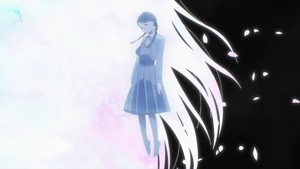
Table of Contents
Awajima’s Theatrical Roots and Takarazuka Inspiration
A Hundred Scenes of AWAJIMA joins recent anime that lean on the aesthetic and cultural fascination with all-female theatrical troupes—alongside titles like Revue Starlight and Kageki Shoujo!!. But Shimura’s manga and the anime adaptation carve their own identity by treating Awajima as both institution and memoryscape. The school becomes a pressure cooker of tradition, status, and longing: a place where students rehearse roles onstage and off, and where youthful intensity leaves long, sometimes tragic, echoes.
Takako Shimura: Quiet, Precise, and Emotionally Incisive
Shimura’s body of work is notable for its calm observational style and emotional clarity. Over the years she has explored gender and queer experience in ways that made titles like Sweet Blue Flowers and Wandering Son touchstones for many viewers. With Awajima, Shimura leans into the vignette format to tell multiple contained stories that together build a nuanced portrait of the school. Each short arc often carries the hallmarks of Class S yuri—intense feelings, emotional restraint, and sometimes painful consequences—but Shimura’s attention to detail prevents the show from being merely melodramatic. Instead, she renders each relationship as a facet in a larger cultural and institutional mosaic.
Vignette Structure: Risks, Rewards, and Narrative Ambition
Presenting Awajima as “one hundred scenes” is narratively ambitious. It allows the series to shift perspectives, timelines, and tones without committing to a single protagonist. This format can be risky: uneven pacing or shallow character moments might fragment the viewer’s engagement. Yet the anime largely succeeds because each vignette is compact and purposeful. In one episode we move from the yearning of underclassmen to the bittersweet aftermath years later, with third-party observers often framing the tale—letters, memory, and quiet retrospection provide emotional distance and intrigue.
Notable Vignettes
Early episodes showcase contrasting stories: a teenage “prince” figure whose social persona predates her arrival at Awajima, a gifted “crybaby” whose talent demands attention, and tragic adult recollections that reveal the toll of youthful devotion. The short arcs can evoke the intimate melancholy of films like Liz and the Blue Bird, delivering concentrated bursts of yuri angst and character revelation.
Direction, Animation, and Studio Craft
Madhouse’s animation and director Morio Asaka bring an impeccable shojo/josei sensibility to the screen. Asaka’s track record with character-driven series helps Awajima strike the right balance between theatrical flourish and tender realism. The show’s visual language favors soft palettes punctuated by floral motifs and symbolic bursts of color—visual shorthand for feeling and atmosphere. Character animation leans on subtle gestures: hair, hands, and posture often communicate what dialogue leaves unsaid. These small, well-directed details amplify Shimura’s economical storytelling.
Complexity Beyond Tragedy
One of the series’ strengths is how it reframes familiar tragic-yuri tropes. A relationship that appears to end in heartbreak is seldom shown in full; we often receive fragments—letters, a single tear, a memory. This withholding encourages viewers to consider context: jealousy, societal expectations, and the inscrutable forces of institutional life at Awajima. The school is alternately oppressive and formative. Characters like Ibuki, once a bully and later a teacher, blur the line between redemption and self-perpetuation. Is she staying to atone or because she cannot imagine life outside the school? The ambiguity is intentional and thought-provoking.
Why the Series Resonates
Awajima works because it uses the specificity of theatrical schooling to explore universal themes: identity, desire, memory, and legacy. Shimura’s gift is to make the private lives of these students feel consequential without overdramatizing. The series also benefits from a deliberate pacing that lets small moments breathe—an empathetic look at how institutions shape people across generations. For viewers seeking layered yuri storytelling with emotional clarity, Awajima is a rewarding watch.
Where to Watch
A Hundred Scenes of AWAJIMA is available to stream on Crunchyroll. For more context on all-female theater traditions that inspired works like this, you can explore resources about the Takarazuka Revue (for example, its official site or historical overviews). These resources provide helpful background on the real-world cultural practices that inform Awajima’s setting.
Watch A Hundred Scenes of AWAJIMA on Crunchyroll
Takarazuka Revue — official site (background on the all-female troupe)
Final thoughts
A Hundred Scenes of AWAJIMA is a patient, emotionally resonant adaptation that suits Takako Shimura’s strengths: precise vignettes, quiet depth, and a shrewd sense of institutional influence. The series doesn’t rush to tidy conclusions; instead, it accumulates small moments into a broader meditation on adolescence, performance, and memory. If you appreciate yuri stories that favor nuance over spectacle, and character-led dramas that leave room for interpretation, Awajima deserves a spot on your watchlist.
Author’s note: This article reflects the views of the writer and aims to offer thoughtful analysis for fans and newcomers alike.