Dead Account’s episode 10 continues the series’ uphill struggle with pacing and narrative focus. Where the anime could be sharpening stakes and delivering kinetic spectacle, it keeps detouring into extended flashbacks and awkward character beats that feel like filler rather than meaningful development. This review breaks down what works, what doesn’t, and whether the episode sets up a compelling path forward for the final stretch.
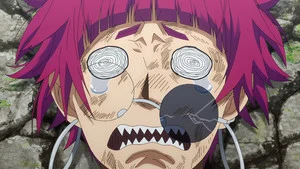
Table of Contents
Episode 10 Recap: What Actually Happens
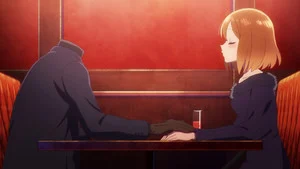
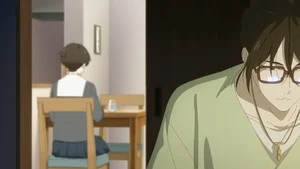
Episode 10 mostly splits its runtime between a handful of flashbacks — detailing Kasubata’s, Henri’s, and Azaki’s pasts — and another extended fight sequence involving Soji, Dei, and several modulated opponents. The flashbacks attempt to provide emotional context (notably Kasubata’s family trauma), while the present timeline tries to close out a brawl that has been stretched over multiple episodes. The payoff, however, is mixed: some character beats land, but the overall momentum of the episode feels stalled.
Flashbacks: Attempted Depth, Problematic Execution
When flashbacks help (and when they hinder)
Flashbacks are a storytelling tool that can enrich character motivation — when used sparingly and with clear purpose. In this episode, the intention is understandable: explain why Kasubata despises “flamebaiting” and why certain behaviors trigger him. But the delivery falters. The episode devotes roughly 75% of its early runtime to montage-like sequences and frozen-image montages that often feel like they exist to pad time, not to deepen empathy.
Kasubata’s backstory: earned or contrived?
The reveal that Kasubata’s mother died after seeing his public tantrum is meant to humanize him, but it lands with a thud because the show relies on a familiar trope — the “dead relative” — instead of building a more nuanced arc. It’s an easy emotional shortcut that the series has used repeatedly, and by episode 10 it’s starting to feel like the writers are reaching for convenient trauma beats rather than crafting surprising or organic motivation.
Fight Choreography and Pacing: Dragging the Action
The central fight finally gives a momentary closure with Dei’s defeat at Soji’s hands, but the victory is undercut almost immediately. Instead of following through with tightened pacing and consequential beats, the episode stretches combat scenes across several bland encounters. Opponents introduced earlier (like the narcissistic selfie-taker with icy cyberkinesis) act primarily as padding — they stand as static targets more than challenging foes. As a result, the sequence lacks the urgency and crispness needed to make prolonged fights satisfying.
Why the action feels “still”
Two key problems make the fights feel inert: first, the animation often leans on still frames and recycled poses; second, opponents behave as if frozen in place, making Soji’s victories feel inevitable rather than earned. That combination saps tension. When you can predict the outcome and the staging looks motionless, even carefully designed powers (like cyber-freeze effects) can’t salvage the spectacle.
Character Moments Worth Noting
Despite the episode’s flaws, there are a few beats that work. Soji’s warning to Dei — a raw threat that if Dei “keeps being an asshole” he’ll be killed — provides a darker glimpse at Soji’s moral compass and the stakes of this world. The interactions where Azaki is forced into the recurring gag of being overwhelmed by busty exorcists feel less successful; the joke’s repetition has lost its comic value and undermines any sense of danger or seriousness around Azaki’s role as an exorcist.
Henri and Azaki: underused potential
Henri’s and Azaki’s short origin glimpses hint at interesting backstory that could enrich the ensemble, but the episode treats these moments as sidebars rather than opportunities to reframe their present-day choices. If later episodes can expand on these seeds, they might redeem the current structural missteps. For now, they register as missed opportunities.
Visuals, Sound, and Production Notes
Visually, the show still has moments of striking design — the cybernetic frost effects and character silhouette work stand out in isolated frames — but these highlights are too infrequent to counterbalance the pacing issues. The soundtrack does its job during fight beats, but it can’t overcome the impression that fights are being lengthened artificially to fill episodes.
Where to Watch
Dead Account is streaming on Crunchyroll. If you want to follow the series directly, you can find it on Crunchyroll (rel=”nofollow” target=”_blank”): Watch Dead Account on Crunchyroll.
What This Means for the Final Episodes
With only a couple episodes left, episode 10’s main crime is lost momentum. The show needs to pivot quickly: stop relying on recycled trauma reveals and padded fight beats, and concentrate on tightening the narrative and delivering meaningful consequences. If the final episodes instead resort to more montages and “convenient” backstory reveals, the series risks ending on the same frustrated note that currently colors episode 10.
Final thoughts
Episode 10 of Dead Account is a frustrating mix of glimpses of potential and repetitive execution. The character reveals could have added meaningful texture, but they’re undercut by predictable tropes and filler-heavy flashbacks. The action sequences, while occasionally visually competent, suffer from sluggish pacing and opponents who act more like props than antagonists. If the remaining episodes focus on sharpening stakes, building on the stronger character beats, and trimming unnecessary detours, the series could still salvage its momentum. Otherwise, viewers may walk away feeling like the show had promising pieces that never quite came together.