Ascendance of a Bookworm returns with Part 3: Adopted Daughter of an Archduke, and while the series largely retains the comforting routine that longtime viewers expect, this season introduces new emotional undercurrents and production changes that are impossible to ignore. Between Rosemyne’s shifting status, the careful unpacking of noble etiquette, and a fresh visual gloss from a new studio, the show balances procedural charm with growing narrative ambitions — though not without a few jarring choices along the way.
Table of Contents
Quick Overview: The New Season’s Tone
This installment keeps the everyday-focus that characterizes the franchise: Rosemyne quietly pursuing small, meaningful goals while advancing several projects at once. Where previous seasons leaned heavily into the protagonist’s bookish inventions and inventive problem-solving, Part 3 shifts some of the emphasis toward Rosemyne’s place within noble society — specifically her role as the “adopted daughter of an archduke.” That title looms large in dialogue and ceremony, but the actual emotional interrogation of what adoption and noble family life mean for her is still emerging.

Episodes 1–3: Key Events and Pacing
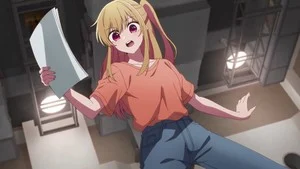
The opening trio of episodes presents several small arcs rather than one sweeping plot. Notable beats include Rosemyne’s fainting spells, her limited contact with her birth family, and the social choreography she must learn within her adoptive noble household. The end of episode one features a dramatic collapse that, surprisingly, isn’t immediately followed up on — a structural choice that feels like an omission more than deliberate restraint. The show addresses it later, but the interim gives an odd impression that a scene was skipped.
Episode three provides a clearer follow-up: Rosemyne sees Sylvester’s impulsive son again (who expresses regret for not being more considerate), and she’s finally able to medicate herself after draining her magic in a ceremony. Ferdinand’s tinkering with the medicine improves the experience, hinting at incremental progress rather than dramatic cures. These moments keep the series’ procedural pace intact: changes happen slowly and insistently, not in a hurry to deliver high drama.
Themes: Family, Status, and the Quiet Power of Small Acts
Family as Motivation
Family remains Rosemyne’s emotional engine. Having been separated from her birth household, many of her actions are motivated by the hope of a glimpse or a brief connection rather than regular interaction. The show emphasizes how even small affirmations — a nod, a glance at the end of a ceremony — are powerful rewards for her. This season explores how that yearning fuels her efforts to master noble etiquette, arrange projects, and influence social trends.
Adoption and Noble Expectations
Despite the season title, the series so far rarely dives deeply into what “adopted daughter of a duke” means beyond surface changes (recreated rooms, table manners). The plot flirts with deeper questions — for example, restrictions around unbaptized noble children who must avoid public dining or open appearances — but it remains uncertain whether the show will commit to a sustained exploration of adoption’s emotional and political ramifications within the aristocracy.
Social Ripples: Marriage and Class
Rosemyne’s experiments and inventions continue to ripple through noble society: trends she enables also affect marriage prospects and family bargaining. Side characters like Brigitte and Eckhard have arcs that tie into family expectations and social standing, giving the season fertile ground to weave interpersonal stakes with larger cultural customs. The challenge is balancing these threads while preserving the show’s intimate, slice-of-life rhythm.
Production and Visuals: A New Studio’s Touch
This season marks a studio change, and it’s visible. The new team brings additional flourishes in character acting — subtle fidgets, anticipatory expressions, and more dynamic reactions that give Rosemyne and supporting characters richer micro-emotional beats. Some magical sequences also receive an upgraded presentation: ceremonies and spell effects get a slightly more cinematic treatment that adds spectacle to otherwise quiet scenes.
At the same time, the show keeps the practical, workmanlike sensibility that makes its world believable: resource-driven reasoning, measured inventions, and procedural problem-solving remain at the core. For fans who fell in love with the franchise’s gentle, detail-focused pace, that foundation is still there.
Concerns: Pacing Choices and Visual Shortcuts
There are two main sticking points this season. First, the script’s episodic structure sometimes skips the emotional beat-to-beat in a way that reads like accidental omission rather than deliberate pacing. The aforementioned collapse at the end of episode one is an example: it eventually receives attention, but the delay felt like whiplash.
Second, a production-level concern has emerged in the form of questionable background art. Some sequences show blurred or indistinct backgrounds that read as automated or generated rather than handcrafted. That inconsistency hurts immersion; when a show otherwise leans into careful detail, obvious shortcuts stand out. Fans will hope the studio tightens this aspect as the season continues.
Where to Watch
Ascendance of a Bookworm Part 3: Adopted Daughter of an Archduke is currently streaming on Crunchyroll. Watch on Crunchyroll.
For more information on the studio behind this season, see WIT Studio’s official site. WIT Studio.
Final thoughts
Part 3 of Ascendance of a Bookworm continues to deliver the series’ dependable strengths: gentle problem-solving, character-driven small moments, and a protagonist whose curiosity and love of family ground the show. The season introduces promising thematic material around adoption and noble society, but progress feels deliberate and, occasionally, diffuse. Production improvements in character animation and magical displays brighten the episodes, yet inconsistent background work and some odd pacing choices slightly undercut momentum. Still, for viewers who cherish Rosemyne’s daily victories and patient world-building, this season offers more of the quiet pleasures that made the series a favorite — even if it occasionally skips a beat along the way.