Episode 8 of Agents of the Four Seasons: Dance of Spring is one of those chapters that forces you to choose between admiration for craft and frustration with execution. On paper, a single, black-and-white flashback dedicated to the trauma of Hinagiku’s kidnapping could be a powerful, clarifying piece that deepens character stakes. In practice, this installment mostly rehashes information the series has already hammered home and interrupts the forward thrust the show had built up after last week’s violent escalation. The result is an elegant-looking but narratively stalled hour that asks the audience to keep crying on demand rather than giving them reasons to care anew.
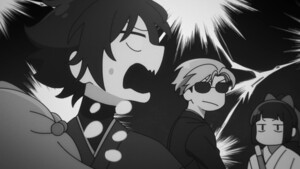
Table of Contents
Episode Recap: What Happens in This Flashback
This episode abandons the present-day arc to deliver an extended, monochrome flashback focused on Hinagiku’s abduction and its immediate fallout. We finally see fuller scenes of Hinagiku’s relationship with Rosei, the events leading up to the Insurgent attack, and how Sakura and Itecho’s Guardians first bond under pressure. The sequence is deliberate and intimate, aiming to humanize motivations that the series has previously only hinted at through exposition and short, trauma-laden vignettes.
Structurally, however, the episode’s placement—immediately after the home-base assault on the Agent of Autumn—feels disruptive. Instead of following through on the momentum generated by that violent set-piece, the show pulls the brakes and drops us into a past we mostly recognize. For viewers who have already absorbed the essentials of the tragedy, the hour adds texture but little in the way of revelation.
Why the Pacing and Structure Miss the Mark
Repeated flashbacks can be an effective device when each one reframes events or unveils critical new information. Here, the repeated return to the same window of time becomes a stylistic tic rather than a substantive tool. The episode often tells rather than transforms: scenes are elongated, tears are wrung, but the larger mystery and present conflict remain stalled.
Overuse of Melodrama
The series has leaned heavily on melodramatic beats from the start, and that strategy has a shelf life. By the eighth episode, the show expects emotional investment without having consistently earned it in the present timeline. This instalment compounds the problem by delivering more of the same misery rather than progressing the plot or deepening the stakes in a way that changes the viewer’s understanding.
Timing Is Everything
Placing this flashback right after a major action beat undermines narrative momentum. After last week’s explosive escalation, viewers are primed for consequences, confrontation, and forward motion—elements that push the season toward a meaningful midpoint. Instead, we get a detour, which feels less like a meaningful pause and more like a stalling tactic to squeeze extra emotion from an already well-explored trauma.
What Still Works: Character Moments and Emotional Truths
Despite its flaws, the episode isn’t without redeeming qualities. When it focuses on human moments, it often lands with surprising clarity. The deeper look at Hinagiku and Rosei’s bond gives Rosei more dimension than previous episodes allowed; his longing and the tenderness of their relationship finally feel earned rather than merely referenced. Likewise, the initial connection between Sakura and Itecho’s Guardians is a welcome beat that enriches their present-day interactions.
Performances and voice work remain strong and can sell scenes that the script overstays. The animation direction in the black-and-white sequences is carefully composed, using light and shadow to emphasize emotional beats. In those moments, the episode demonstrates why the show can be quietly excellent when it narrows its focus.
Visual Style: Artsy Choices That Divide
The choice to render the flashback in black-and-white is an obvious attempt to signal gravitas and artistic intention. While the aesthetic can heighten the sense of memory and mourning, it also telegraphs the episode’s emotional aims in a way that feels manipulative. The visual language says “this is important” very loudly—yet importance should be earned through revelation or consequence, not only through a monochrome filter.
That said, the cinematography and framing during intimate scene work are often thoughtful. Close-ups, composition, and the interplay of light provide emotional texture even when the narrative fails to progress. These are small victories that hint at what the series could be if it trusted its present-day stakes more.
Narrative Consequences: Why Repetition Harms Engagement
Flashbacks should illuminate—either by revealing new information, reframing characters, or accelerating tension. When they merely replicate prior exposition, they diminish the audience’s faith in forward storytelling. The repeated return to the same traumatic moment has fostered a sense of narrative inertia: instead of being propelled forward by curiosity, viewers risk being pulled aside for emotional show-and-tell that adds little to the plot’s forward motion.
Moreover, the show’s tendency toward “misery porn”—prolonged scenes of suffering designed to provoke tears—reduces its emotional returns over time. Even skillfully executed sorrow will grow blunted without structural variation or payoff.
How the Series Could Improve Moving Forward
- Tighten pacing by interleaving flashbacks with present-day consequences, so each memory meaningfully alters the viewer’s perspective.
- Reserve full-episode flashbacks for moments that reveal new facts or dramatically shift characters’ motivations.
- Let present-day stakes grow from the aftermath of earlier events instead of re-digesting them—move the conflict forward.
- Use stylistic devices like black-and-white sparingly, and only when they introduce genuinely revelatory context rather than signaling importance without substance.
Where to Watch
Agents of the Four Seasons: Dance of Spring is streaming on Crunchyroll. For episode listings, cast details, and user reviews, you can also consult the series page on MyAnimeList. Both links are provided as external references for convenience.
Final thoughts
Episode 8 is a beautifully filmed but ultimately stalled entry: it deepens a few relationships and offers striking visuals, yet it does so at the expense of narrative momentum. The show has shown itself capable of both tender character work and kinetic, surprising action—what it cannot afford now is to keep asking viewers to re-live the same trauma without moving the plot forward. With a tighter focus on consequence and fewer repeated beats, Agents of the Four Seasons could turn its undeniable aesthetic strengths into a genuinely compelling season. As it stands, this episode is a reminder that style without structural purpose risks hollowing out even the most heartfelt stories.