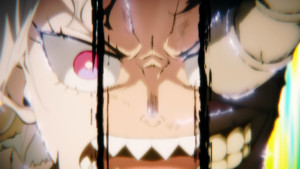
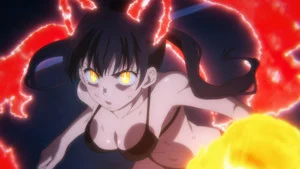
MAO’s recent episodes (10–11) deepen the Kyoto arc’s mystery while highlighting both the anime’s strengths and its recurring weaknesses. What began as a quirky, frog-themed detour has morphed into a tense, supernatural hunt that nearly costs Mao his life and forces Nanoka to confront how little control she still has. These episodes balance memorable — if divisive — visuals with a creeping sense of a larger puppetmaster operating behind the scenes. Below I break down the visuals, character beats, and where the series might be headed next.
Table of Contents
Episode overview: stakes rise in Kyoto
Episodes 10 and 11 push MAO into darker territory. The Kyoto storyline, which started as a subtle mystery, evolves into a direct threat to Mao. A shadowy antagonist shows not just interest, but willingness to inflict severe harm to draw Mao out. The threat level feels real: Mao is tested, nearly defeated, and the audience is left with the clear impression that whoever is orchestrating events in Kyoto knows intimate details about Mao’s past and the mechanics of his existence.
Visuals and CGI: bold choices that divide opinion
The episodes contain a standout sequence: a gigantic, multi-fish CGI amalgam that serves as a visual representation of a familiar servant-figure from Mao’s human past. CGI in anime often polarizes viewers, and this sequence is no exception. Compared to the rest of MAO’s hand-drawn aesthetic, the CGI moment feels jarring — intentionally so — and its ambition is easy to recognize even if the execution doesn’t please everyone.
It’s worth noting that not all CGI is created equal. While this sequence may not match the best CGI-integrated anime, it accomplishes the story goal of making the scene feel uncanny and unsettling. In that sense, the visual design succeeds: it elicits discomfort and intensifies the episode’s unsettling atmosphere, even if it occasionally clashes with the show’s otherwise consistent art direction.
Character development: Nanoka needs a moment
Nanoka continues to function as the show’s audience surrogate — she asks the questions the viewer wants answered and reacts with genuine confusion and empathy to the supernatural. But repeatedly relegating her to a largely reactive role undermines the potential of the protagonist dynamic. The series teases a coming evolution: Nanoka is overdue to gain better control of her powers and become a more active combatant or strategist alongside Mao.
Mao, by contrast, is once again revealed to be both powerful and vulnerable. The recent near-defeat humanizes him in ways the show hasn’t frequently afforded before. Seeing Mao pushed to the brink is effective storytelling: it raises stakes for every subsequent confrontation, while also underscoring the mysterious depth of his enemies.
Why a stronger Nanoka matters
If Nanoka grows into a comparably skilled partner for Mao, the series could realize a more balanced duo instead of the recurring “mentor/protege” imbalance. As the viewpoint character, Nanoka’s active development would immediately deepen viewers’ emotional investment and improve the show’s pacing by making her choices central to plot progression, rather than incidental.
The villain: Takahashi’s familiar puppetmaster
Rumiko Takahashi’s fondness for shadowy manipulators is on full display. The current antagonist follows a familiar pattern — a distant mastermind who controls events from the shadows and confounds the protagonists. Fans of Takahashi’s earlier works may see echoes of classic Takahashi antagonists here. That resemblance is not necessarily a negative; employing an archetypal “puppetmaster” has produced compelling drama in the past, and the writer’s skill in layering mystery keeps the tension high.
That said, repetition risks predictability. The series mitigates this by offering strong, eerie set pieces and slowly revealing the antagonist’s reach and methods, turning the shadowy villain into a source of genuine dread. The more the show reveals about this figure’s knowledge of Mao’s past and the Byoki system, the more intriguing the mystery becomes.
Pacing and the Kyoto arc: payoff is building
MAO’s pacing has historically been deliberate, alternating between episodic supernatural tales and broader plot beats. The Kyoto arc feels like the point where those strands converge. New apprentices and recurring threats suggest the show is accelerating toward a payoff. Given the episodes’ focus on the antagonist’s increasing boldness, it’s reasonable to expect significant confrontations and answers in the near future.
The danger is balancing audience patience with momentum: prolonging mysteries too long can frustrate viewers, but rushing revelations risks undercutting the groundwork. So far, the series leans toward revealing enough to keep curiosity alive while still preserving bigger secrets for later.
Sound, score, and atmosphere
Beyond visuals, the episodes use sound design and score effectively to heighten suspense. Quiet moments contrast with sudden crescendos during supernatural encounters, making the shocks land harder. Voice acting continues to sell the characters’ emotional beats, particularly Mao’s rare moments of vulnerability and Nanoka’s fear-driven determination.
Where to watch
MAO is available for streaming on Hulu. For more series details and community discussion, the MyAnimeList entry offers episode lists and user reviews.
Final thoughts
Episodes 10 and 11 of MAO raise the stakes in satisfying ways: Mao’s near-defeat, the creeping omniscience of a shadowy antagonist, and the unsettling CGI set piece combine to create episodes that are memorable even if imperfect. The central weakness remains Nanoka’s underuse — she needs an active growth arc to match the series’ increasing ambition. Still, Takahashi’s penchant for puppetmaster villains and slow-burn mysteries keeps the Kyoto arc intriguing. If the show follows through with meaningful character development and timely payoffs, these episodes will feel like the turning point the series needs.