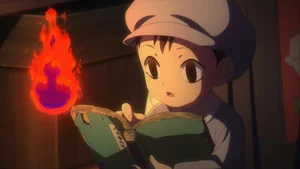
Episode 11 of Always a Catch! leans into interpersonal tension, unspooling how past expectations and political maneuvering color the characters’ most personal choices. This installment focuses on Renato’s jealousy, Ireneo’s wounded dignity, and Mimi’s innate compassion — and it’s one of the more emotionally instructive episodes in the season. The episode balances comedy and pathos, revealing how the same social structures that produce courtly romance can also manufacture misunderstandings and cruelty.
Table of Contents
Renato’s Jealousy: A Flawed Heir
Renato’s jealousy in this episode reads less like a plot convenience and more like a character beat earned from earlier missteps. From the beginning of the series he’s shown a tendency to act before he thinks when it comes to matters of the heart — episode 11 simply foregrounds that flaw. Seeing Mimi interact warmly, if innocently, with Ireneo triggers Renato’s insecurity. His reaction isn’t just possessiveness; it’s a failure to interrogate his assumptions about Mimi and Ireneo’s intentions.
Emotional reasoning vs. critical thinking
Renato’s behavior demonstrates emotional reasoning: he interprets Mimi’s friendly openness as a threat without evidence. The episode reminds viewers that Renato once renounced the wrong woman in haste, and here he again substitutes suspicion for conversation. Even given courtly jealousy is a common trope, the writing makes it clear the issue is less malevolence and more Renato’s inability to process how emotions affect judgement.

Ireneo: The Sad Mask of the Playful Prince
Ireneo’s introduction in episode 11 reframes the roguish playboy image into something more tragic. Rather than a simple rival, he’s a man defined by the expectations — and betrayals — of those who rode on his fortunes. The trope of the “womanizer” is used deliberately by the writers to hide how isolated he’s been since being displaced in the line of succession.
Backstory and social consequences
As viewers learn, Ireneo’s reduced standing wasn’t just a personal loss; it was a political one for his sponsors. Those backers, deprived of influence, redirected their resentment at him. The result: Ireneo becomes caricatured, and people assume the worst of his intentions. His habit of distancing himself through performance — flirting, drinking, feigning carelessness — becomes both a shield and a prison.
The peach tart scene: meaning beneath the surface
When Ireneo tells Mimi he didn’t actually eat the peach tart, it’s a quiet but revealing moment. It symbolizes how small joys were always intercepted by interpretation and manipulation. The tart isn’t merely a snack; it represents the impossibility of experiencing something for oneself when every action has political meaning attached to it.
Mimi’s Compassion: The Heart of the Episode
Mimi again emerges as the moral center. The queen’s earlier explanations help Mimi quickly empathize with Ireneo’s situation — she recognizes the parallels between his experiences and her own displacement after Teo’s birth. Mimi’s response to Ireneo is not pity but genuine understanding, which the episode frames as a key trait that will make her an effective future ruler.
Why Mimi makes a great prospective queen
- Unabashed authenticity: Mimi’s willingness to be herself allows others to lower their defenses around her.
- Emotional intelligence: She reads subtext and context — sensing how expectations have shaped Ireneo’s behavior.
- Compassionate leadership: Rather than weaponizing status, she chooses to offer dignity and simple human kindness.
Power, Backers, and the Weight of Expectations
This episode underscores how nobleship in Always a Catch! is as much about who supports you as it is about bloodline. Both Mimi and Ireneo are shaped by external ambitions: Mimi by the Annovazzi retainers who mourned her loss of title, and Ireneo by political schemers who lost influence when he fell in rank. The narrative emphasizes that resentment often targets the symbol (the person) while actually arising from frustrated interests.
Social structures create villains
One of the episode’s quieter critiques is that the “bad behavior” of some characters can be traced to the social systems that encourage it. Ireneo’s womanizing, for instance, can be read as a deliberate strategy to reject the throne’s expectations, yet it’s punished socially and misread morally. Likewise, Renato’s punitive response — dragging Ireneo to the dungeon — is less an act of righteous authority and more a clumsy attempt to assert control in the face of insecurity.
Key Scenes and Character Beats
Episode 11 is efficient in its staging: a few conversational scenes reveal histories and motivations, while the physical action — Ireneo being hauled off — dramatizes the cost of misunderstanding. The queen’s expository moment serves narrative economy without feeling like a mere info-dump, because it’s tied to Mimi’s emotional response rather than a bland historical recap.
What works
- Character-driven conflict that doesn’t rely on villainy.
- Subtle symbolism (the peach tart) that enriches characterization.
- Mimi’s moral clarity provides a hopeful counterbalance to political cynicism.
What could be sharper
Some viewers may find Renato’s escalation abrupt, though the episode redeems it by tying the outburst to his established flaws. More scenes showing Renato’s inner conflict before the confrontation could have softened the transition from jealousy to punitive action.
Where to Watch
Always a Catch! is available for streaming. For viewers outside Japan, check legitimate services to support the creators — for example, Crunchyroll hosts the series. Watch Always a Catch! on Crunchyroll.
Final thoughts
Episode 11 of Always a Catch! is an effective study in how personal histories and political interests warp simple human interactions. Renato’s jealousy, Ireneo’s defensive performance, and Mimi’s empathy together map a small court’s social dynamics with clarity and heart. The episode doesn’t offer easy solutions, but it does suggest that kindness and understanding — the qualities Mimi embodies — are powerful counters to the resentments that fuel so much of courtly tragedy. For fans invested in character-driven drama, this episode is a rewarding piece that deepens motivations while keeping the series’ warm tone intact.