Season 3 of Thunderbolt Fantasy (Tōriken Yūki) continues to stake its claim as one of the most singular shows in modern anime-adjacent storytelling. Blending wuxia drama with gorgeously crafted bunraku-style puppetry, this installment follows Shāng Bù Huàn and his companions as they pursue the mysterious Seven Blasphemous Deaths — a quest that quickly veers into new political intrigue when they unexpectedly arrive at the Phoenix Light Palace. If you’ve followed the series before, expect deeper character work, heightened stakes, and some of the most emotionally resonant scenes the franchise has delivered.
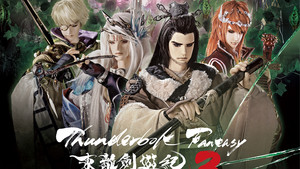
Table of Contents
Why Season 3 Feels Different (and Familiar)
Thunderbolt Fantasy has always balanced fresh narrative ideas with a strong throughline of recurring themes and characters. Season 3 distinguishes itself by leaning harder into serialized storytelling — the hunt for the Seven Blasphemous Deaths remains central, but the detour to the Phoenix Light Palace introduces new political layers, unexpected reunions, and long-buried histories that shift the tone toward a more consequential arc. The season rewards longtime viewers by building on prior mysteries while remaining accessible to newcomers who appreciate epic, character-driven wuxia.
Integrated Worldbuilding
One of the season’s strengths is how it weaves previously mentioned events and concepts into meaningful development. Threads like the War of the Fading Dusk, which had existed mostly as evocative background lore, finally receive fuller treatment — particularly through the perspective of returning characters such as Xíng Hài. The payoff is narrative depth that enhances emotional weight without bogging down the momentum.
Character Focus: Heart of the Story
At its core, Season 3 doubles down on character exploration. Shāng Bù Huàn’s stoic presence remains a central anchor, but the season gives more room to Làng Wū Yáo and Xíng Hài, expanding their arcs and motivations. Làng’s trajectory in particular benefits from extended attention; past trauma and evolving loyalties are handled with nuance, and the increased spotlight transforms them from compelling side players into emotional drivers for the plot.
Returning Faces, New Conflicts
Familiar foes and allies resurface in ways that complicate the heroes’ journey. These reunions are not merely fan service — they catalyze meaningful changes in relationships and political alignments, helping the season feel like a natural, consequential step toward the series’ eventual conclusion in later installments.
Puppetry, Production, and Visual Style
What truly sets Thunderbolt Fantasy apart remains its production craftsmanship. The puppetry is the show’s signature: meticulously designed figures, lavish costumes, and choreography that translates the dynamism of martial-arts cinema into an entirely different medium. Season 3 continues the series’ tradition of gorgeous practical effects enhanced with subtle digital touches, resulting in fight sequences and tableau that feel both handcrafted and cinematic.
Fight Choreography as Art
Every skirmish, from intimate exchanges to large-scale confrontations, is staged with a reverence for martial-arts spectacle. The choreography balances clarity and flair — movement reads as precise and intentional, and the camerawork frames each beat to maximize emotional and visual impact. Whether you consider the puppet battles as live-action or something unique, they deliver adrenaline and artistry in equal measure.
Soundtrack and Voice Work
Complementing the visuals, the season’s music and voice performances deepen atmosphere and character. The score underscores the cinematic sweep of the plot while voice actors imbue the puppet characters with surprising emotional resonance. These audio elements help bridge the gap between traditional drama and the show’s distinctive visual approach.
Storytelling: Strengths and Limits
Season 3 shines because it trusts the audience with serialized payoffs and character-focused storytelling. If there’s any critique, it’s that the season sometimes feels, in tone and structure, like an intensification of what the franchise already does well rather than a radical reinvention. That said, “business as usual” for this series is still exceptional — and this season’s tighter narrative focus makes it one of the most gripping entries so far.
Who Should Watch Season 3?
If you love elevated production values, character-driven wuxia, and inventive puppetry, Season 3 is an essential watch. Longtime fans will appreciate the payoff on long-developing mysteries and character arcs, while newcomers with an appetite for visual originality and strong storytelling will find plenty to admire. For readers interested in learning more about the broader wuxia tradition or the history and techniques of theatrical puppetry, see resources on wuxia and puppetry for helpful context.
Final thoughts
Thunderbolt Fantasy Season 3 proves that a series can evolve without losing what made it unique. By deepening character arcs, expanding its mythos, and delivering some of the franchise’s most memorable set pieces, this season stands as both a tribute to the show’s strengths and a powerful step forward toward the saga’s finale. If you’ve followed Shāng Bù Huàn and company this far, Season 3 rewards patience with richer storytelling and breathtaking production — a must-watch for fans of ambitious, beautifully crafted genre work.