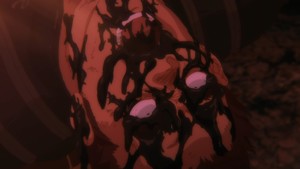
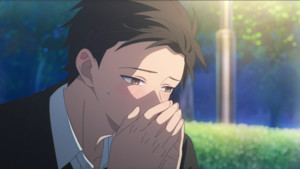
Episode 11 of Dead Account lands with a familiar mix of awkward melodrama, padded flashbacks, and a fight that never quite gathers momentum. This installment centers on a new antagonist — the selfie-obsessed Ban Ashina — and leans into the show’s favorite tricks: online humiliation as motivation, static battles, and a cliffhanger finish that asks viewers to sit through more setup than payoff. I re-watched this one with a friend to see how it lands on someone who’s enthusiastic about anime but not knee-deep in seasonal discourse — spoiler: we laughed a lot, and the episode still felt thin.

Table of Contents
Episode 11 — Quick Recap
Ban Ashina, a handsome influencer-type who built his identity around selfies and online attention, becomes a ghost account after posting NSFW content and getting repeatedly banned. When Sad Boy K follows him, Ban mistakes that single follow for genuine affection and spirals into villainy. Soji and the squad face him in an extended duel that the show pads with flashbacks and melodramatic introspection. The battle drags to a halt as teammates retreat to recharge, Naruhiko raises a temporary barrier via his iPod, and the episode ends on an unresolved note.
Characters and Motivations
Ban Ashina — Vanity as Villainy
Ban is built from one tired premise: online ego crushed by moderation. The episode tries to humanize him by showing how a single follower — Sad Boy K — became the emotional anchor he lacked, but the result reads as melodrama shoehorned into an otherwise bland fight. Instead of making Ban sympathetic, the backstory mostly makes him pathetic, which can work in satire, but the show never commits one way or the other.
Soji, Naruhiko, and the Squad
Soji continues to carry the visual weight of a shonen-likable protagonist while lacking any of the kinetic energy typical of memorable fights. Naruhiko’s brief personal revelation — another tragic past with “dead parents” — tries to up the emotional stakes, but it’s delivered in a way that feels formulaic rather than earned.
Animation & Fight Choreography — Where It Falls Short
Dead Account’s fights suffer from a chronic problem: static staging. Characters tend to hold poses, attacks feel telegraphed, and there’s little sense of spatial fluidity. The episode’s set pieces have the visual vocabulary of a battle but lack the choreography that would make one care. For a contrast, consider how other recent action anime — despite their flaws — manage to make fights feel alive and directional. For example, the polar bear fight in Solo Leveling used motion, camera work, and impactful timing to sell threat and momentum; Dead Account’s clashes rarely reach that benchmark.
Humor and Unintended Entertainment
One saving grace is how much fun a bad episode can be if you watch it with the right energy. My viewing partner — a casual fan with a penchant for riffing on visual absurdities — elevated the episode with reaction-based commentary. Elements like the ice-attack design, a Best Buy-turned-arena brawl, and awkward costume choices repeatedly produced genuine laughter. If the show can’t be great, it can at least be amusing in its choices.
Random, Oddball Moments
There are moments of pure, baffling design that become meme material — an icicle-themed crotch reveal, a feather attack name cribbed from a metal song, and fight locations that read like a list of odd franchises (Best Buy, Waffle House, you name it). These instances won’t save the narrative, but they give viewers something to talk about.
Pacing Problems and the Cost of Flashback Padding
Episode 11 exemplifies a recurring structural flaw: the show stretches what could be a compact confrontation into a multi-act slog. Ban’s origin flashbacks could have been delivered in a short montage or used sparingly to inform the present conflict; instead, they interrupt momentum and dilute urgency. The result is an episode where characters do less fighting and more standing in place while exposition catches up.
Emotional Stakes Without Payoff
The writers try to justify the antagonist’s cruelty with emotional reasons, but the execution makes the villain feel small rather than tragic. The stakes never truly escalate because the characters respond in rote ways — form a barrier, wait for recharge, and halt the battle — which undercuts dramatic tension.
Where the Series Could Improve
- Increase dynamic movement and camera work during fights to create a sense of space and risk.
- Trim flashbacks and only use them when they reveal something essential about choices being made in the present.
- Make antagonists’ motivations either sharper (clear satire) or deeper (genuine pathos) — half-measures leave them flat.
- Let fights resolve more decisively at episode beats so each installment feels like progress and not a placeholder.
Where to Watch
Dead Account is available to stream online. If you want to see the episode firsthand, it’s currently on Crunchyroll.
Final thoughts
Episode 11 of Dead Account is emblematic of the show’s biggest hurdles: padded pacing, static action, and an overreliance on melodrama to supply emotional weight. It produces laughs — often unintentionally — and a few memorable visual missteps that make it watchable in a campy way, especially with a companion who’s ready to riff. But as a piece of serialized action storytelling, it underdelivers. If the series wants to climb out of its rut, future episodes need sharper choreography, leaner storytelling, and clearer stakes. Until then, viewers can enjoy the spectacle for what it is: a flawed, occasionally hilarious attempt at contemporary supernatural shonen.