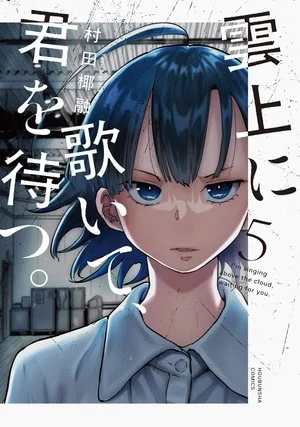
Yayū Murata’s Unjō ni Utaite, Kimi wo Matsu (I’m Singing Above the Cloud, Waiting for You.) has reached a bittersweet milestone: the series is concluding in Weekly Manga Times. Fans of the emotional mystery that blends music, identity, and high-school drama have followed the sudden disappearance of a masked singer — who turns out to be a high-school girl — since the story first began gaining traction. Below, we break down the manga’s publication history, its adaptations, and what the ending means for readers and viewers who have followed the series.
Table of Contents
Synopsis: The mystery at the heart of Unjō ni Utaite, Kimi wo Matsu
At the center of Unjō ni Utaite, Kimi wo Matsu is an enigmatic masked artist with an extraordinary voice whose sudden disappearance drives the plot. The reveal that the singer is actually a high-school girl adds layers of secrecy, social pressure, and emotional complexity as characters grapple with fame, identity, and the consequences of performing behind a mask. Murata balances the personal stakes with the unraveling mystery, making music both a motif and a catalyst for character development.
Publication history and serialization
Yayū Murata first published related one-shot work in Weekly Manga Times, which later developed into fuller serialization. Over the course of its run, the manga built a steady readership thanks to Murata’s blend of intimate character moments and slow-burn mystery. The March 13 issue of Weekly Manga Times revealed on February 27 that Unjō ni Utaite, Kimi wo Matsu will conclude in the magazine’s next issue on Friday, marking the end of its serialized run in the magazine.
From one-shot to serialized success
Before the serialization that brought Unjō ni Utaite, Kimi wo Matsu to wider attention, Murata published a related one-shot that demonstrated the story’s emotional core and narrative potential. That early testing ground allowed Murata to refine the characters and themes that would later anchor the longer series. Serialization solidified its place among readers who appreciate character-driven drama combined with music-centered storytelling.
Adaptations: Anime and live-action
The manga’s strong narrative premise and emotive central mystery led to multimedia adaptations. An anime adaptation debuted in October 2024, introducing the masked singer’s drama to an audience that may not have read the original manga. Prior to the anime, the story’s popularity also inspired a live-action series that aired from January to March 2022, translating the manga’s delicate emotional beats and human conflicts into a real-world setting.
How adaptations expanded the audience
Both the live-action drama and the anime adaptation broadened the story’s reach. Live-action brought grounded performances and real-world textures to the narrative, emphasizing the social realities and pressures facing a young performer. The anime, with its capacity for heightened musical sequences and visual symbolism, was able to accentuate the central motif of song and the inner world of the masked artist. Each format highlights different strengths of Murata’s original storytelling.
Thematic deep-dive: identity, performance, and secrecy
Unjō ni Utaite, Kimi wo Matsu uses the masked performer as a powerful symbol. Masking allows the protagonist to separate private self from public persona — a theme resonant in modern conversations about online fame and curated identities. Murata explores the tension between authenticity and performance: how a voice that captivates the public can conceal deep personal struggles. The revelation that the singer is a high-school girl adds further resonance, underscoring how youth, expectation, and vulnerability collide under the spotlight.
Music as narrative device
Music in the series functions as both plot engine and emotional language. Key scenes use song to reveal interiority that words alone cannot convey, and Murata leans on musical motifs to heighten moments of revelation or heartbreak. This emphasis makes the story particularly well-suited to adaptation: animated or live-action sequences can pair visuals and sound to deepen audience empathy.
What the ending means for readers and viewers
With the announcement that the manga will end in the magazine’s next issue, readers will be looking for closure: answers to the central mystery, resolutions for key relationships, and a final statement about the protagonist’s future. Endings are an opportunity to reframe a story’s themes — whether Murata opts for catharsis, ambiguity, or bittersweet acceptance, the conclusion will determine how the narrative’s core questions about identity and performance are ultimately interpreted.
For viewers who discovered the series through the anime or the live-action drama, the manga’s ending provides a definitive textual conclusion they can turn to for clarification or extended character development not always present in adaptations.
Where to read and follow updates
If you want to catch up on the series or revisit earlier chapters before the final installment, official sources and bookstores are the safest ways to read the manga. For original reporting and coverage of the serialization and its developments, check reputable industry or publisher-adjacent outlets. For one reference on the manga’s publication details, see this report from a Japanese entertainment site. Read the original report.
Who should read Unjō ni Utaite, Kimi wo Matsu?
This manga is a strong recommendation for readers who enjoy:
– Character-driven mysteries that prioritize emotional truth over explosive plot twists.
– Stories about music, performance, and the psychological impact of fame.
– Slice-of-life drama with a slow-burn unraveling of secrets.
Fans of introspective drama and ethically ambiguous character moments will find Murata’s work especially rewarding.
Final thoughts
Unjō ni Utaite, Kimi wo Matsu closes a chapter on a story that combined mystery, music, and the fragile psychology of youth. Whether you came to the story through the manga, the October 2024 anime adaptation, or the 2022 live-action series, the ending in Weekly Manga Times marks an important moment for fans to reflect on Murata’s exploration of identity and performance. As the series wraps, readers can look forward to a final installment that promises answers and emotional payoff — and to revisiting the songs and scenes that made the masked singer’s story so compelling.