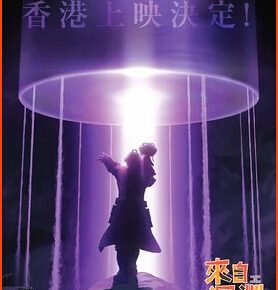
We Are Aliens is a striking debut film that lingers long after the credits roll. Part memory piece, part waking nightmare, the movie uses an unusual visual language to explore friendship, rumor-driven isolation, and the corrosive power of fear. Director Kōhei Kadowaki blends rotoscoped realism with hyper-detailed linework to create an experience that feels both intimate and disquieting — a story that rewrites childhood memory through an adult lens.
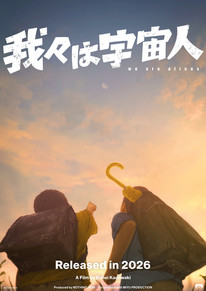
Tsubasa and Gyotaro: an ordinary friendship twisted by rumor and memory.
Table of Contents
At a Glance: Premise and Structure
The film follows Tsubasa and Gyotaro from childhood into adulthood after a rumor — that Gyotaro might be an alien — fractures their friendship. The narrative is split to emphasize subjective experience: the first half is shown largely from Tsubasa’s fearful, selective memory, then the film rewinds and retells events from Gyotaro’s perspective. This mirrored structure lets Kadowaki examine how rumor, embarrassment, and social exclusion warp the same set of events into two very different nightmares.
Visual Style: Rotoscope, Linework, and the Uncanny
Why the rotoscope choice matters
Rotoscoping gives the film a hybrid realism that sits uneasily between live-action and traditional animation. Faces, wrinkles, and shading are rendered with obsessive detail; the more the characters’ emotions intensify, the more the animation leans into distortion. This creates a continuous tension — the image is undeniably “drawn,” yet it carries the tactile intimacy of filmed human movement. The result is not just a visual novelty but a storytelling tool: the hyper-real rotoscope makes memory feel tactile and unreliable.
Intense linework and the grotesque
Where many animated films smooth or stylize emotion, We Are Aliens amplifies it. Heavy cross-hatching, dramatic shading, and close-up distortions push certain moments toward grotesque extremes, heightening discomfort in a way that mirrors the characters’ psychological states. The film’s aesthetic rewards careful viewing: repeated frame-level detail reveals new visual metaphors for shame, anxiety, and obsession.
Characters and Themes
Tsubasa: fear as selective narrative
Tsubasa’s point-of-view scenes show how fear can rewrite fond memories into sinister proof. Innocuous remarks about meteors or a childhood joke become evidence in the mind of someone searching for belonging through exclusion. Tsubasa’s transformation is less about malice and more about the contagious power of rumor — and the human tendency to simplify complex people into threatening caricatures.
Gyotaro: scapegoat, artist, and the aftermath
Gyotaro emerges as a sympathetic, creative outsider. Seen through his eyes, the behaviors that once seemed alien are suddenly human: awkward humor, imaginative games, and an inclination toward the strange. His life after the rift becomes a study in how ostracism accumulates — the initial slight metastasizes into long-term isolation and fixation. The film treats Gyotaro’s obsession with the lost friendship with empathy, illustrating how trauma can calcify into compulsion.
Narrative Pace and the Climactic Third Act
The film’s middle sections are its strongest: the juxtaposition of two perspectives reveals subtle narrative sleights-of-hand and keeps viewers re-evaluating their assumptions. When the characters confront each other as adults, the emotional stakes surge into melodrama. The climax deliberately skews toward the operatic, pushing tension to near-absurdity. That choice will divide audiences: some will find the heightened tone essential for the film’s nightmare logic, while others may feel it overshoots the quieter human truths established earlier.
Resolution and emotional payoff
After the fever pitch of the climax, the film provides a quieter coda that helps the emotional material land. This more grounded denouement lets the film reconcile its extremes and allows the audience to reflect on the long-term consequences of small childhood cruelties.
Comparative Notes: Where This Film Fits
Stylistically and thematically, We Are Aliens evokes other boundary-pushing works that use visual innovation to probe inner life. Fans of films that blend beautiful and grotesque imagery or that interrogate memory and identity will find much to admire. For readers curious about the rotoscoping technique used here, a primer on the method provides useful context. Learn more about rotoscoping.
Why This Movie Matters
We Are Aliens is significant because it makes form and content inseparable: the film’s aesthetic choices are not decorative but integral to its exploration of rumor-driven shame and friendship’s fragility. Even where the narrative occasionally tips into melodrama, the visual inventiveness and empathetic focus on two misread people make it worth watching.
Final thoughts
As a filmmaking debut, We Are Aliens is ambitious and often brilliant. Its rotoscoped visuals and intensive linework create an unsettling, unforgettable atmosphere that perfectly suits a story about distorted memories and social exile. While the finale’s heightened melodrama may not land for every viewer, the film’s core achievement — translating childhood trauma into a living, breathing visual language — is remarkable. For anyone interested in animation that pushes the medium’s emotional and formal boundaries, this is an essential, if imperfect, experience.