The Darwin Incident’s ninth episode leans hard into its thriller bones, dialing up the mystery-box momentum while teasing revelations about its central characters. This installment narrows the focus on the tangled relationships between Charlie, Lucy, and the ALA, even as the show continues to gesture at bigger sociopolitical ideas without fully committing to them. If you’ve been following the series for its mysteries and mood, this episode delivers a satisfying, if sometimes frustrating, mix of tight plotting and unanswered questions.
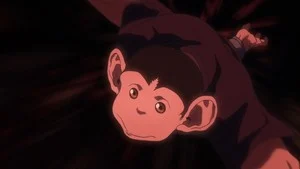
Table of Contents
Plot and Pacing: A Tighter Thriller
Episode 9 shifts the show toward a more compact thriller format. Longstanding mysteries—how Charlie was created, what the ALA really aims to do, and why Rivera behaves like an eccentric mastermind—are placed center stage. The episode benefits from this tighter focus: scenes are leaner, tension climbs steadily, and the action sequences are well-staged. The cabin interrogation beats and forest ambush sequence where Charlie turns the hunters’ gear against them provide clear, cinematic highlights. The pacing favors movement over exposition, leaving the audience eager for next-week reveals rather than drowning in backstory dumps.
Character Work: Agency, Ambiguity, and Lucy’s Role
Character dynamics remain the episode’s most compelling engine. Lucy’s agency—subtly exercised even while she’s captive—keeps her from becoming purely reactive. She’s quietly maneuvering, allied with Phil in ways that hint at unseen strategy. That ambiguity is useful: it suggests Lucy may have more narrative weight than earlier episodes implied, and the show smartly places her at the crossroads of the central mysteries.
Rivera as Antagonist
Rivera’s motivations are presented with grandiose flair rather than granular logic. He reveals himself not as an ideological leader of animal liberation per se, but as a zealot bent on accelerating human evolution through Charlie. The character reads as an archetypal “doomsday visionary”—part cult leader, part accelerationist—whose rhetoric is meant to be chilling and provocative. While this makes Rivera an effective immediate antagonist, it also robs the show of sharper socio-political commentary; his plan is more spectacle than plausible critique.
Thematic Notes: Mystery Boxes and Vague Grandiosity
The show continues to lean into mystery-box storytelling, teasing revelations that may or may not justify the build-up. Episode 9 explicitly leans into that construct—Rivera himself using operatic imagery (a reference to doors opening like Judith in Bluebeard’s Castle) underscores the show’s fascination with unveiling secrets rather than exploring them fully. This approach keeps suspense high but can be narratively risky: the payoff needs to be satisfying, or the prior ambiguity will feel like withholding.
Allegory vs. Adventure
The series attempts social commentary—about liberation movements, ethical treatment of nonhuman beings, and the interface between science and politics—but this episode often substitutes allegory for argument. Rivera’s plan to “accelerate mankind’s evolution” leans hard on cinematic villain monologues (recalling, in tone, other anime that posited mass transcendence as an antagonist’s goal). If you’re looking for a nuanced exploration of activist co-option or ideological manipulation, this episode gestures at those ideas but ultimately prioritizes spectacle and personal stakes.
Visuals and Direction: Mood over Flash
Where the show consistently succeeds is in mood and production design. The episode favors a subdued, procedural palette—noir-ish cabin scenes, dimly lit interrogations, and a forest chase punctuated by sudden bursts of color. Charlie’s improvised predator-style tactics are depicted with smart staging: he starts vulnerable and escalates by turning enemy resources into assets. Tactical details like his use of a flare gun to alter the palette keep the visuals dynamic while remaining grounded in the story’s internal logic.
What This Episode Sets Up
Episode 9 closes with hints rather than answers. The tease about Lucy’s backstory and the ALA’s 15-year timeline reactivation are the most compelling hooks. If the series is going to avoid feeling like an assortment of dangling boxes, upcoming episodes will need to deliver concrete revelations that reframe what we’ve seen. The show’s weekly rhythm can make it feel premature to pass final judgment, but this entry raises the stakes: either the unexplained pieces will cohere into a satisfying whole, or they’ll read as stylistic obfuscation.
Inter-Species Tension and Ethics
One of the more eyebrow-raising currents is the show’s ongoing flirtation with pseudo-interspecies intimacy or empathy between Charlie and Lucy. Episode 9 broaches this subtly, but largely leaves it in the realm of suggestion. That restraint works for now—too much explicit treatment could quickly become problematic—but it also risks letting an intriguing ethical dilemma evaporate into a tonal aside if not revisited with care.
Why It Still Works (and Where It Risks Falling Short)
The Darwin Incident remains compelling when it emphasizes tense plotting, character interplay, and atmosphere. Episode 9 delivers on those fronts, providing tight sequences and a moodiness that suits the material. The risk is that Rivera’s grand ambitions and the show’s mystery-obsessed structure could end up feeling hollow if payoff remains perpetually deferred. Still, the episode’s strengths—especially its action and visual direction—keep interest high heading into future installments.
The Darwin Incident is currently streaming on Prime Video.
For readers curious about the “human-instrumentality” type arc Rivera echoes, some of the genre precedents can be explored further on general reference pages (e.g., Neon Genesis Evangelion).
Final thoughts
Episode 9 of The Darwin Incident is a strong, mood-driven entry that privileges suspense and compact storytelling over explicit sociopolitical analysis. It tightens the thriller elements while continuing to dangle intriguing mysteries about Charlie, Lucy, and Rivera. Whether those mysteries culminate in thoughtful commentary or merely spectacle will determine how this stretch of the series ages. For now, the episode is an uptick: smartly staged, atmospheric, and provocative enough to keep viewers watching.