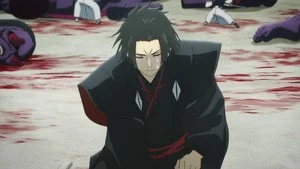
The Darwin Incident episode 7 pushes the series deeper into controversial territory, blending modern fears about online radicalization with a sensationalized moral allegory about human/animal relations. This installment delivers effective thriller mechanics — a livestreamed school attack, a surviving shooter, and tense police response — but ultimately stumbles when it tries to wring meaningful social commentary from shock value. Below I break down the episode’s strengths, missteps, and what it means for the season moving forward.

Table of Contents
Quick recap: What happens in Episode 7
Episode 7 centers on a livestreamed school massacre carried out by a character named Gare. The episode uses modern online tropes — livestream delays, manifesto-driven rhetoric, and the spectacle of mass violence — to connect the act to a larger extremist narrative. Gare is captured alive, creating new narrative possibilities, while survivors Charlie and Lucy are left to confront the emotional fallout and the town’s sudden hostility toward Charlie’s existence as a human/chimpanzee hybrid.
Thematic analysis: Online radicalization and the show’s allegory
How the episode handles online extremism
Where the episode is at its most compelling is in its depiction of how an online persona can radicalize and weaponize attention. Gare’s invocation of “Red Pill” language and his decision to livestream the crime are straight out of real-world playbooks: it’s about spectacle, recruitment, and shaping a narrative more than ideologically rigorous argumentation. The show gets the mechanics right — the camera, the delay, and the way viewers respond in real time are all depicted with unnerving plausibility.
Veganism as a narrative device — risky allegory
The series makes a deliberate choice to position a radicalized form of veganism as the ideological hook for the attack. That decision allows the story to explore uncomfortable questions about how legitimate social movements can be co-opted by extremist fringes. But the episode too often slides into caricature: the notion that organizations resembling mainstream animal-rights groups orchestrate terrorism feels conspiratorial and simplistic. Instead of a nuanced critique, viewers get sensationalized lines like “Our tables are overflowing with blood” that land as unintentionally farcical rather than incisive.
Character arcs: Missed opportunities for depth
Charlie and Lucy — symbolism vs. real emotional stakes
Charlie functions as both a symbol — a literal merging of human and animal — and the narrative’s potential moral center. The episode hints at interesting angles: could Charlie become a reluctant spokesperson for animal rights or a living argument against eating animals? Unfortunately, the writing sidelines those possibilities. Lucy’s survivor moment is theatrically charged when she’s spared, but the show quickly returns her to “business as usual” without genuine exploration of trauma or moral nuance. That refusal to dwell on aftermath robs the episode of the emotional weight it could have carried.
Gare and Rivera — antagonists with limited textures
Gare’s live confession and Rivera’s manipulation of him are useful plot devices, but both characters feel underexplored. The fact that Gare survives and is apprehended is a smart structural choice — it creates ongoing tension without martyrdom — yet the episode doesn’t fully interrogate his motivations beyond a stock backstory. Rivera’s role as a puppet-master remains more schematic than chilling, reducing what could be a complex conspiracy into a convenient plot lever.
Direction, pacing, and visual choices
Technically, the episode performs strongly. The staging of the cafeteria confrontation and the intercutting of livestream footage with on-the-ground police response show competent direction that heightens suspense. The show’s modernized approach — using social media as both theme and tool — gives the visuals an eerie immediacy. However, the pacing undercuts thematic exploration: the episode rushes through moments that deserve breathing room, opting for shock and movement rather than deliberative examination.
Where the episode succeeds
- Convincing depiction of livestreamed violence and the logistical realities of police response.
- Smart narrative choice to keep Gare alive, which preserves future dramatic leverage.
- Visual tension and immediacy that make key scenes gripping despite thematic shortcomings.
Where the episode falters
- Simplistic treatment of veganism and animal-rights activism that risks caricature.
- Underdeveloped character work for Lucy and Gare — missed opportunities for emotional resonance.
- Quick resets after major trauma moments, which deny the audience meaningful reflection.
On the show’s sociological ambitions
The Darwin Incident has occasionally shown it can write smart allegory about prejudice and identity. Episode 7 hints at that capacity, but ultimately prefers provocative beats to substantive critique. When the show invokes a harrowing real-world phenomenon — a livestreamed school attack driven by extremist rhetoric — it owes viewers a deeper, more thoughtful exploration than this episode provides.
Streaming and where to watch
The Darwin Incident is currently streaming on Prime Video.
Verdict: A technically strong but thematically uneven episode
Episode 7 demonstrates the series’ skill at staging high-stakes thriller moments and using modern tech tropes to create urgency. Yet its attempt to interrogate extremism, animal rights, and communal prejudice is undermined by shallow treatment and melodramatic turns. With Gare alive and the town’s tensions escalating, future episodes have room to course-correct; whether they will choose deeper analysis over spectacle remains to be seen.
Final thoughts
Episode 7 of The Darwin Incident is a mixed bag: it delivers suspense and clever procedural elements but stumbles when it tries to transmute sensational plot points into meaningful social commentary. The episode’s most intriguing choice — keeping the shooter alive — sets up compelling possibilities, but the show must commit to nuanced character work and ethical complexity if it intends to tackle the thorny issues it raises. For now, the series is more effective at provoking reaction than promoting reflection.