Table of Contents
REBEL 3199 Episodes 15–18 Review — The Incandescent Galactic War
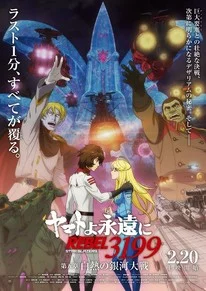
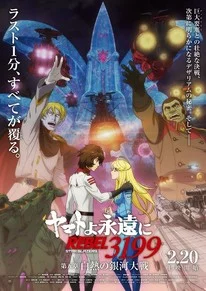
REBEL 3199: The Incandescent Galactic War — episodes 15–18
REBEL 3199’s Episodes 15–18 (collectively titled The Incandescent Galactic War) deliver the kind of spectacle many fans of classic space-opera crave: sustained, high-energy battles, vivid particle beams, and massive ship-to-ship destruction. But beyond the bright explosions and CG combat, these episodes balance character beats and political subtext, giving the big set pieces emotional stakes and thematic weight. For viewers who remember the franchise’s ’70s and ’80s heyday, this quartet is both a nostalgic thrill and proof that the series can still blend spectacle with heart.
Spectacular Space Warfare: Wall-to-Wall Action
From the opening frames the focus is clear: this is a full-throttle space battle arc. The Yamato and its allied fleet engage The Dezarium’s vast space installation in sequences that rarely let up. The choreography favors wide-screen, screen-filling laser exchanges, catastrophic explosions, and dazzling visual effects that recall classic SF OVAs while employing modern production polish. If you tune in primarily for “spaceship go shooty” excitement, these episodes deliver in spades—bright colors, inventive weapon effects, and a sense of scale that makes each confrontation feel consequential.
Character Moments That Cut Through the Noise
Despite the spectacle, REBEL 3199 gives its principal characters meaningful arcs. Susumu Kodai takes a leadership-heavy role as he confronts the Dezarium threat directly; his interactions with Alphon—an “aberrant” Dezarium who pilots a backup body—are a highlight. The relationship between Kodai and Alphon is complex: it’s adversarial yet laced with a grudging respect that produces memorable beats (including Alphon’s blunt admonition that Kodai “not die”). Meanwhile, Yuki’s emotional connection to Alphon complicates loyalties and introduces tenderness amid the chaos. These human (and post-human) moments prevent the arc from becoming mere pyrotechnics and keep the viewer invested in the outcomes.
Propaganda, Mind Control, and Modern Parallels
One of the arc’s darker strengths is its commentary on ideological control. The Dezarium’s influence over Earth—exemplified by the ominous glowing command medals that synchronize and even overwrite thoughts—becomes a chilling allegory. The depiction of personalities shifting due to outside interference reads as a critique of misinformation, social manipulation, and the corrupting reach of hegemonic technocrats. When whole communities normalize invasive control, the emotional toll shown on characters makes the sci-fi conceit resonate with contemporary anxieties.
Plot Twists, Time Travel Hints, and Franchise Callbacks
The quartet ends on an audacious cliffhanger: Yamato’s late-game jump through a black hole time gate and the discovery of a teenage Sasha suggest that time travel plays a tangible role in this continuity. At the same time, the Dezarium’s ability to rewrite memory complicates everything—what the antagonists believe about origins may be fabricated. These narrative ambiguities keep speculation lively and make the waiting period for the next batch of episodes especially painful. For longtime franchise followers, there are clever callbacks and blended elements from earlier storylines that keep both nostalgia and mystery in play.
Yamato’s Upgrades: Space-Magic or Earned Progression?
Technically, the Yamato receives a significant upgrade to its Cosmo Reverse System, unlocking what the episodes frame as a quasi-mystical quantum duplication. The series leans into metaphysical language—Wave Motion Energy and the emotional resonance of the human heart—to justify plot developments. That kind of “space-magic” rhetoric won’t land for everyone; it occasionally reads as portentous and underexplained. Still, for viewers willing to accept a little franchise mysticism, the upgrade pays off in terms of spectacle and sets up intriguing possibilities for where the story goes next.
Supporting Threads and What’s Left Unsaid
These episodes keep Earth-bound subplots mostly in the background—Tsubasa, Makoto Kato, and the former-dezarium child Frulul have limited screen time this arc—but their threads remain promising for later installments. The decision to prioritize the cosmic battle gives these four episodes a laser focus, and while some character arcs wait in the wings, the payoff to the main conflict is substantial enough to justify the choice.
Where to Watch and Availability
REBEL 3199’s multi-release strategy means theatrical debuts and later streaming windows; this staggered approach can make the rollout feel fragmented for international viewers. For streaming availability and updates, check official platforms such as Crunchyroll (link provided) for the latest announcements. For series overviews and community information, databases like MyAnimeList provide consolidated episode and release details. Crunchyroll (nofollow) · MyAnimeList (nofollow)
Final thoughts
Episodes 15–18 of REBEL 3199 are the franchise at its most thrilling: sustained space combat, high emotional stakes, and narrative twists that make you want more. While a touch of franchise mysticism and a few underdeveloped side plots are present, the core combination of stunning visuals and character-driven tension makes this quartet one of the series’ most satisfying stretches in recent memory. Whether you’re watching for nostalgia or fresh sci-fi drama, The Incandescent Galactic War delivers an experience that’s both visually spectacular and thematically resonant.