Juan Albarrán’s brief but heartfelt essay manga A Mangaka’s Road to Japan has reached its conclusion on Kodansha’s Comic Days platform. The short series — part of Kodansha’s Manga Academy initiative — documented Albarrán’s real-life journey as a Spanish artist pursuing a mangaka debut in Japan. Though compact in length, the series resonated with aspiring creators and manga fans who want a behind-the-scenes look at the challenges of breaking into Japan’s manga industry.
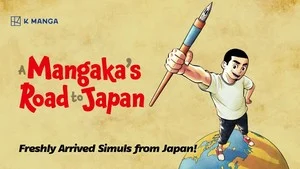
Table of Contents
What is “A Mangaka’s Road to Japan”?
A Mangaka’s Road to Japan is an autobiographical essay manga by Spanish artist Juan Albarrán that chronicles his attempts to navigate the Japanese manga industry as a non-Japanese-speaker. Designed as a short-form series for Kodansha’s Manga Academy program, the manga functions both as a personal diary and a practical look at the realities of submitting work, handling cultural and language barriers, and the emotional rollercoaster of creative ambition.
About Juan Albarrán and his body of work
Juan Albarrán is best known in manga circles as the artist of Matagi Gunner, a collaboration in which Shōji Fujimoto wrote the story and Albarrán provided the art. Albarrán’s background as a Western artist entering the Japanese market gives his storytelling a unique perspective — a blend of genuine admiration for manga craft and honest critique of the hurdles foreign creators face.
Matagi Gunner: a quick refresher
Matagi Gunner, which Albarrán illustrated, was serialized in Morning magazine starting in 2022 and concluded with its 11th compiled volume in June 2025. That title helped put Albarrán on the radar of readers and industry professionals, and A Mangaka’s Road to Japan expands on the personal side of what it takes to work in the medium at a professional level.
Kodansha’s Manga Academy: what it aims to do
Kodansha’s Manga Academy initiative is designed to support global manga creators by teaching them the publishing process in Japan — from storyboarding and pacing to editorial expectations and submission protocols. A Mangaka’s Road to Japan was created expressly as a short project within this program, intended to teach and inspire rather than to run as a long-form serialized title.
Why the short-run format matters
Essay manga and short-run projects are especially effective educational tools. They let creators condense experiences into focused, repeatable lessons for readers who may be fellow creators. Albarrán’s decision to keep the series brief reflects the Manga Academy goal: provide targeted insight into the craft and business of manga without the pressures of mainstream weekly serialization.
Key takeaways from Albarrán’s final chapter
The final chapter closes the arc of Albarrán’s personal trial, balancing the emotional highs and lows of pursuing a debut in Japan with concrete advice for other artists. Important themes include:
- Persistence and resilience in the face of rejection.
- The importance of adapting storytelling techniques to suit Japanese editorial expectations.
- Practical tips on communicating across language barriers and leveraging editorial feedback.
- A candid look at how overseas creators can make themselves visible to Japanese publishers.
Practical lessons for aspiring mangaka
Readers hoping to follow in Albarrán’s footsteps can glean actionable advice: focus on strong story structure, learn the basics of manga page layout, be open to editorial revision, and build a portfolio that demonstrates both originality and an understanding of genre conventions. Albarrán’s honest depictions of setbacks also serve as a reminder that perseverance and adaptability are as valuable as raw talent.
Publication details and availability
The full series ran as a short feature on Kodansha’s Comic Days platform, and Albarrán has confirmed on his personal blog that the manga was always intended as a short series within the Manga Academy project. As of the end of the run, Kodansha has no announced plans to publish a compiled tankōbon volume for A Mangaka’s Road to Japan. For readers who want to view the original posts, the Comic Days entry remains the primary source.
Read Albarrán’s own reflections on the series on his blog: Juan Albarrán — A Mangaka’s Road to Japan (blog). The original Comic Days posting is also available here: Comic Days — A Mangaka’s Road to Japan.
Why this short manga matters to the wider manga community
Beyond its specific story, Albarrán’s manga highlights a growing global dynamic in manga creation. International artists are increasingly interested in Japanese serialization, and publishers are experimenting with programs and platforms to cultivate global talent. Projects like Manga Academy and short essay manga help bridge cultural gaps and make the mechanics of Japanese publishing more transparent.
Impact on aspiring international creators
For non-Japanese creators, Albarrán’s candid account serves as both motivation and a realistic roadmap. It emphasizes that while language and culture are hurdles, there are formal channels and educational programs that can lower the barrier to entry. The manga’s existence itself signals that major Japanese publishers see value in nurturing overseas talent.
Final thoughts
A Mangaka’s Road to Japan may be short, but its value extends far beyond its page count. Juan Albarrán turned personal struggle into a clear, educational, and emotionally honest work that both demystifies and humanizes the path to becoming a mangaka in Japan. Whether you’re an aspiring artist seeking guidance or a casual reader curious about the realities behind the industry, Albarrán’s essay manga is a compact, insightful read. Keep an eye on both Albarrán’s work and Kodansha’s Manga Academy for similar projects that continue to widen access to the world of manga.