Snowball Earth’s thirteenth episode tries to tie off a bloodied, sprawling first season with a short, paradoxical finale: an almost instantaneous final boss defeat, followed by an extended slice-of-life epilogue that leans into quiet moments rather than spectacle. The episode raises clear questions about pacing, the series’ use of CG, and how best to land an emotional payoff without diminishing the season’s stakes. Below, I break down what works, what doesn’t, and where the show sets the table for season two.
Table of Contents
Episode 13: An Abrupt Final Battle
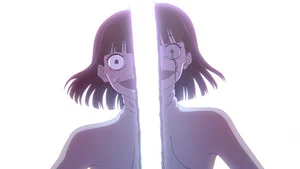
The episode opens with what should be a climactic showdown, only for the villain—an imposing kaiju-esque antagonist—to be dispatched virtually immediately. The fight itself is over in under four minutes, which robs the season of a dramatic endcap. A battle this brief can feel like a missed opportunity: either stretch it to give meaningful beats and tense escalation, or remove it entirely and focus on the emotional climax that already exists between the characters.
Why the short fight feels wrong
Aside from the jarring runtime, the encounter leans on brief flashes of pyrotechnics and a few “twirly” laser effects that attempt a Kawamori-esque visual flourish but land flat due to inconsistent animation choices and a heavy reliance on CG. When a final battle exists primarily to deliver emotional catharsis or to seal character arcs, trimming it down to a blink makes the ending feel perfunctory rather than earned.
Pacing and Structural Choices
Pacing is the episode’s defining issue. The creative team seems torn between offering one last physical confrontation and giving viewers time to breathe with a denouement. The result is an awkward split: a rapid, almost throwaway fight followed by a long wrap-up that plays like a season epilogue. The memorial sequence and victory celebration occupy the bulk of the runtime, elongating the episode in a way that drains tension instead of releasing it effectively.
Two approaches that might have worked better
- Open with the emotional confrontation (Tetsuo vs. Sagami) as the real climax, letting the villain’s defeat be a consequence rather than the focal point.
- Alternatively, spread the final battle across the episode so stakes build gradually—begin with skirmishes, deepen the drama, then deliver a satisfying midpoint showdown.
Character Moments and Development
Despite pacing flaws, the episode does land some meaningful personal beats. The series’ strongest through-line—Tetsuo’s growth in communication and leadership—receives a tangible payoff. His confrontation with Sagami, whether you view it as perfectly staged or not, marks a rare mature emotional turn for the protagonist. The memorial scenes that follow feel appropriately solemn and lend weight to the cost of survival.
Sagami’s death is a divisive choice. It can work as a poignant reminder of what’s at stake, but because it’s shoehorned among other unresolved sequences it doesn’t land as cleanly as it could have. The show honors fallen characters with a dedicated grave and a public remembrance, which is tonally correct for the series’ grim setting—but its placement at the end of the episode makes the celebratory scenes that follow feel premature.
Slice-of-Life Epilogue: Comfort or Padding?
The latter half of the episode turns almost entirely slice-of-life: survivors heal, eat, drink, and attempt to memorialize what was lost. These quieter moments have value—helping us feel the weight of survival and the fragile hope of rebuilding—but the epilogue overstays its welcome. A trimmed 10- to 15-minute coda would have preserved catharsis without draining energy. As it stands, many of the celebratory beats would have been better saved to open season two, giving the premiere room to reintroduce characters in a fresh context.
Visuals and Animation: When CG Distracts
One recurring complaint throughout the season is the heavy reliance on CG, which resurfaces in this finale. Some sequences aim for dynamic spectacle, but the CG models and compositing inconsistencies make key moments feel detached from the emotional center. When an episode needs to sell finality, every frame must support the tone; here, technical shortcomings sometimes undermine it. That said, the series still produces effective still-frame compositions and quiet close-ups that carry emotional weight when the animation team leans into hand-drawn strengths.
Where the Story Goes from Here
Despite its missteps, episode 13 does what a finale needs to do in one essential way: it sets up future possibilities. The decision to end with a mixture of closure and unresolved threads ensures the narrative isn’t fully concluded—season two is already hinted at, and the survivors’ plans to move westward offer a clear direction. If the show can balance spectacle with its better character work next season, the payoff could be substantial.
Streaming availability: Snowball Earth is currently streaming on Crunchyroll.
Final thoughts
Episode 13 of Snowball Earth is a study in contrasts: a finale that prefers quiet aftermath to a drawn-out climactic battle, but which sacrifices momentum for extended reflection. The emotional growth—especially in Tetsuo’s arc—and the memorial sequences are sincere and sometimes effective. Yet the rapid, undercooked fight and overlong celebratory coda leave the episode feeling uneven. If season two can correct its pacing and rely less on distracting CG flourishes, the series still has the potential to turn its premise into something memorable. For now, the finale reads like both an ending and a prologue—an imperfect but intriguing bridge to what comes next.