Episode 11 of Rooster Fighter is one of those installments that refuses to be subtle. In a single episode the series crams in visceral action, emotional reckonings, and two game-changing power-ups that push the Goshikidori clan to their absolute limits. If you came for feathers, fury, and feel-bad family drama, this episode delivers in spades—sometimes to the story’s benefit, sometimes to its detriment.
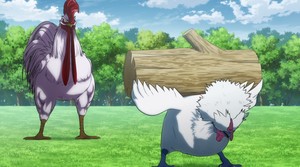
Table of Contents
High-stakes action: When pacing meets escalation
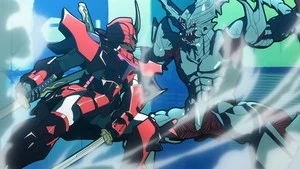
This episode ups the ante drastically. Previous episodes steadily built tension and world details, but here the series accelerates into non-stop confrontation. The fight choreography balances speed and impact—there are multiple near-death moments and creative uses of the enemy’s body that keep viewers on edge. The antagonist Hikari demonstrates a terrifying blend of invulnerability, lightning reflexes, and blade-like limbs that turn straightforward combat into a deadly puzzle for Keiji and company.
Why this fight feels different
What makes this confrontation stand out is how much is at stake beyond simple survival. The Devil mother’s decree to test Hikari rather than kill him gives every clash a cruel edge: this is training through trauma. The combat becomes a crucible for character revelation rather than pure spectacle, and the episode leans into that. Close-up animation choices during emotional beats heighten the tension—tiny human gestures and expressions on feathered protagonists sell the scene better than any monologue could.
Character work: Keiji, Keisuke, and the cost of growth
Episode 11 dedicates real time to emotional arcs. Keisuke finally faces his own cowardice and lingering resentments—an arc that’s been simmering for much of the season. The confrontation with Hikari forces him to accept painful truths and, critically, to recognize the fighting spirit Keiji carries. That recognition is the spark the episode needs to justify a dramatic power-up.
The brothers’ dynamic and family trauma
Keiji and Keisuke’s bond is the emotional nucleus here. Keiji’s stubbornness and Keisuke’s hesitance have always complemented each other, but now we see their roles shift: Keisuke grows into someone willing to shoulder risk, while Keiji’s resolve becomes the catalyst for change. Layered beneath this is the hint of a troubled history for Hikari and his mother—memories of a loving past corrupted into exploitation—one of the more interesting threads that the episode teases but doesn’t fully unpack.
Power-ups: Twice the boost, twice the problem?
Two major power-ups occur in this single episode, and that choice is double-edged. On one hand, it’s satisfying to watch both Keiji and Keisuke tap into new reserves of strength at decisive moments. On the other, compressing both upgrades into one installment reduces the emotional payoff of the second transformation—the “bigger” one—because we don’t get the breathing room to savor the first.
Righteous Egg: A shared source, repeated visuals
Both roosters draw power from the Righteous Egg inside their gizzards, which creates a thematic unity but also a visual redundancy. The similarities in how each character channels the egg’s energy make the dual power-ups feel mirroring rather than complementary. If the show had spread these moments across multiple episodes, the second transformation would have landed with greater weight. Still, given the narrative pressure to resolve the conflict quickly, the compression is understandable.
Supporting cast: Morio and Elizabeth steal scenes
Morio’s arc gets a moving beat here—his return to peak form is cathartic, yet tinged with melancholy. Even after physical recovery and a burst of muscle, he still questions his worth, which the episode uses to comment wryly on productivity and identity. Meanwhile Elizabeth’s comeback—with a brand new jetpack no less—adds an extra layer of mechanical spectacle and leaves the door open for more aerial mayhem in the finale.
Training montage: A surprisingly effective staple
Believe it or not, the training montage in Episode 11 works. The sequence blends humor and grit—chickens doing human drills, lifting weights, and practicing maneuvers—while building momentum for the climactic moments. It’s a reminder that well-executed montages still add emotional and visual currency, even in a show as unorthodox as Rooster Fighter.
What the episode leaves unresolved
One of this chapter’s most frustrating aspects is the pacing choices that force it to skip over intriguing backstory. Hikari’s recollection of a loving mother who became cold and utilitarian hints at a deeper lore for the Devils, but we get only fragments. Similarly, the fate of Piyoko remains unaddressed, and her unresolved storyline looms over the narrative. The episode sets up the stakes well but reserves several emotional payoffs for later, which makes this episode feel both complete and impatient.
Animation, sound, and tone: The technical side
Visually, Episode 11 is kinetic. Key frames emphasize the brutality of clashes and the intensity of character expressions. Sound design complements the action—blades slicing, feathers ruffling, and the low hum of the Righteous Egg all contribute to an immersive aural landscape. The tone walks a narrow line between absurdist comedy and grim fantasy; here it skews darker, with comedic beats interspersed to keep the episode from tipping into melodrama.
Where this sets up the finale
By the episode’s end, almost every piece is in motion for a climactic final confrontation. Keiji and Keisuke have new tools and resolve, Elizabeth is ready to re-enter the fray, and the Goshikidori clan looks united in purpose. The episode’s compression of events accelerates the march toward the finale—which now feels both inevitable and resonant—if the show can stick the emotional landings it’s been promising.
Rooster Fighter is airing on Toonami and streaming on Disney+/Hulu. For more on the broadcast schedule check Toonami / Adult Swim.
Final thoughts
Episode 11 is a bold, high-octane installment that sacrifices some breathing room for relentless escalation. It nails character beats for Keiji, Keisuke, and Morio while teasing darker layers to the Devil mythology that deserve fuller attention. The dual power-ups are exciting, if a touch overused within a single episode, but they set the stage for what promises to be an explosive finale. If you’re invested in the characters and their emotional stakes, this episode will reward you—just be prepared for a rollercoaster of pacing choices along the way.