My Hero Academia: Vigilantes Season 2’s episode 17 finally leans into the concept the spinoff promised from the start: what it means to act outside the law for the greater good. This entry brings Koichi closer to the main conflict, gives Eraserhead some low-key character work, and uses a tense confrontation to remind viewers of the uneasy boundary between licensed heroes and unlicensed helpers. Below I break down the episode’s strongest moments, what it reveals about the world’s rules, and how the episode both advances and stalls the season’s larger momentum.
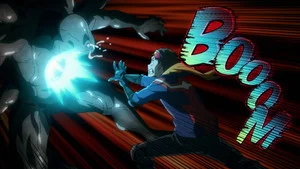
Table of Contents
Koichi’s return to the center: progress, not perfection
Episode 17 finally gives Koichi a more meaningful place in the plot, but the show keeps him appropriately overwhelmed. Rather than turning him into a sudden linchpin, the episode uses Koichi’s limitations to highlight the larger structural problem: a society that tightly regulates certain quirk uses. Koichi’s projectile-style use of his quirk is flagged as inherently risky without a license, so his involvement is as much about creative improvisation and moral courage as raw power.
That restraint works narratively — it reinforces that Koichi is still learning and often at the mercy of bigger players — but it also means his contributions feel underwhelming at times. The episode sets him up as an underdog hero-in-training: his actions matter, they’re meaningful, but they don’t outshine the established pros. That design choice keeps stakes believable while protecting the series’ grounded tone.
Quirk law and self-defense loopholes
One of the episode’s most useful features is clarifying some of the show’s legal rules around quirks. The distinction between licensed quirk use and what an unlicensed citizen can do in self-defense is drawn out through the confrontation with a physically dominant villain. Because Koichi is being pursued by a monster who even injures a registered hero, the argument that he can use his projectile ability under self-defense makes logical sense within the world-building — and provides an organic way to justify heroics from someone without a license.
Eraserhead: understated menace and oddball charm
Eraserhead continues to be one of the series’ best tools for tonal balance. This episode does excellent work establishing his socially blunt, sleep-deprived brand of intimidation. The scenes where he interacts with the vigilante “bug” characters are especially memorable: he’s simultaneously keeping surveillance, being sarcastic, and hinting at an odd tolerance for the vigilantes’ methods. The show smartly keeps Eraserhead’s moral center ambiguous; he’s clearly committed to keeping civilians safe, but his methods and demeanor are quietly abrasive.
Small moments that land
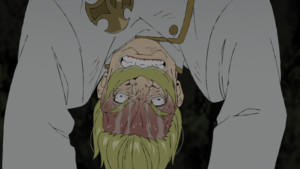
Vigilantes excels when it slows down to let its characters breathe, and this episode is full of those quieter, humanizing beats. The praying mantis vigilante — a physically imposing, surprisingly philosophical presence — steals several scenes by juxtaposing big-but-soft personality with an unexpected moral lecturing about profiling. In the dub, the vocal performance leans into an accent and delivery that add an extra layer of comedic contrast, making the character one of the episode’s most enjoyable surprises.
Pacing, setup, and the season’s slow burn
One continuing criticism of Vigilantes has been its deliberate pacing. Episode 17 both helps and hurts that perception: it advances the main plot by moving key characters into the same arena, but much of the episode still functions as setup. The show is clearly saving major reveals for later beats, and while that creates anticipation, it can also feel like the stakes creep forward too slowly.
A late-scene outburst from the mysterious speedster is the episode’s most consequential moment. His tantrum — framed around being recognized as a successor and showing signs of obsession with mastering another’s quirk — feeds speculation that the quirk was granted by a much bigger antagonist. The implication that this character’s drive springs from inferiority and external empowerment draws a tidy parallel to Koichi’s own growth arc: both struggle with identity, power, and validation, but their trajectories could diverge dramatically.
Knuckleduster and the “need vs. license” theme
The series has explored the tension between licensed heroes and rogue helpers before (notably through Knuckleduster), but this episode reasserts that theme with more clarity. The message is straightforward: you don’t need a license to help, but the law, public perception, and personal consequences make vigilantism messy. Putting a registered hero in a sticky spot who must rely on others to resolve the situation is an effective way to dramatize that friction.
Production notes: animation and voice direction
Technically the episode stays consistent with the season’s sober aesthetic. Action choreography favors readability over flashy spectacle, which suits the grounded tone. Sound design highlights small character moments — Eraserhead’s dry lines, the mantis vigilante’s booming presence, and the whiplash of the speedster’s outburst — giving each scene a clear emotional focus.
My Hero Academia: Vigilantes Season 2 is currently streaming on Crunchyroll.
Bolts (the reviewer referenced here) also streams as an indie VTuber on Twitch.
Final thoughts
Episode 17 is one of the season’s more satisfying installments because it blends quiet character work with meaningful world-building. By putting Koichi in harm’s way, clarifying quirk-licensing boundaries, and letting Eraserhead and the vigilantes shine in their own peculiar ways, the episode underscores the series’ core question: who gets to be a hero, and at what cost? The pacing still leans toward setup, but the emotional beats land, the stakes feel legitimate, and the speedster’s breakdown hints at larger conflicts to come. For fans who enjoy character-driven superhero drama, this episode is a welcome reminder of why Vigilantes has its own place in the My Hero Academia universe.