My Gift Lvl 9999 Unlimited Gacha arrives as a strange mix of anti-hero melodrama and missed comedic potential. The setup is simple: Light, a weak but resilient protagonist, is exploited for his Infinite Gacha ability by the Concord of Tribes and left for dead when his pulls fail to impress. He survives, attracts a powerful summoned servant, and three years later returns with new strength and a single-minded craving for revenge. Below I break down what works, what doesn’t, and why this series feels like two different shows stitched together.
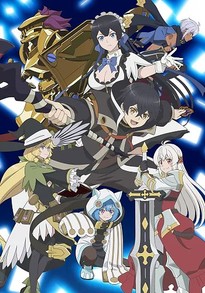
Key visual for My Gift Lvl 9999 Unlimited Gacha
Table of Contents
Synopsis — Power, Betrayal, and the Promise of Payback
The premise is straightforward and immediately compelling for fans of power-fantasy anime: Light is used for his gacha-like summoning skill, discarded when he doesn’t produce flashy results, then survives long enough to become a real threat. The revenge arc is the spine of the story, and the series uses it to explore the morality of an anti-hero who frees others more out of personal spite than altruism.
Characters and Their Dynamics
Light — Anti-Hero or Underplayed Protagonist?
Light is written as an anti-hero who rarely lets his guard down. He repeatedly claims that everything is “according to plan,” but the performance and design lean toward deadpan rather than charismatic menace. This makes it hard to fully buy into his transformation from exploited weakling to vengeful force. Where other anti-heroes might relish dramatic soliloquies, Light’s stoicism robs some of the emotional payoff.
Supporting Cast — Tossed in and Out of Focus
The Infinite Gacha gimmick introduces many colorful summoned characters early on, and the second episode briefly gives some of them life beyond their mechanic. Unfortunately, most become background ornaments after that—appearing only when the plot demands it. This approach reduces many potentially memorable figures to NPC-level cameos, weakening long-term attachment.
Gacha Mechanic — Clever Premise, Weak Execution
The gacha ability should be the show’s main innovation, but it functions more as a plot convenience than an examined system. Light’s luck shifts from pathetic to omnipotent at the narrative’s whim, creating moments that read as contrived power-ups rather than earned progression. For viewers familiar with gacha culture (or games like Genshin Impact), the tension between RNG frustration and jackpot fantasy could have been mined for richer commentary, but the series opts for straight-forward power escalation instead. If you want a primer on gacha mechanics beyond fiction, see this overview. Gacha game (Wikipedia)
Tone and Pacing — Comedy Buried Beneath Melodrama
Many scenes hint at a more comedic or parodic show: a klutzy warrior unaware of her strength, a cat-obsessed girl, and villains who overplay their conniving to almost slapstick levels. The final battles, with increasingly hyperbolic weapons and transformations, often feel closer to parody than earnest epic conflict. Yet the series insists on seriousness because of its revenge core, producing tonal whiplash. Battles are sometimes stretched across multiple episodes for padding, dulling what should be exciting confrontations.
Visuals and Worldbuilding
There are moments of visual flair—Light’s throne room and certain magic displays are nicely detailed and vivid. But the art quality fluctuates; some tower and background settings look barren and lifeless, which undermines immersion during pivotal scenes. The show’s worldbuilding leans on familiar fantasy tropes: elves, enslaved humans, bourgeois elites, and magic artifacts. These elements set up moral conflicts but are rarely explored beyond surface-level confrontation.
Themes — Revenge, Liberation, and Moral Ambiguity
On paper, the anime charts a path from personal vendetta to social liberation: Light takes revenge on the Concord and later topples racist elves who enslave humans. The emancipation arc is satisfying in outcome but questionable in motivation—the show implies that freeing oppressed people can be an accidental byproduct of selfish revenge. That moral ambiguity is interesting, but the series doesn’t always interrogate it, leaving the viewer to decide whether Light is a reluctant savior or merely a spiteful opportunist.
When Anti-Heroy Crosses Into Self-Justification
Light’s logic—revenge first, righteousness second—invites discussion about ends justifying means. The series occasionally flirts with nuance: are victims liberated because of principled action or because a powerful individual needed an outlet for vengeance? The show leans toward the latter, which may frustrate viewers hoping for a more unambiguously noble arc.
What Fans Will Like (and Dislike)
- Likes: Power fantasy beats, occasional strong art and set pieces, a morally complicated lead.
- Dislikes: Uneven tone, underused supporting cast, contrived gacha luck, and padding in fight sequences.
For readers interested in the real-world gacha phenomenon and its cultural impact, developer sites and analyses provide context—one such official game hub offers a look into modern gacha design. Genshin Impact (official)
Final Thoughts
My Gift Lvl 9999 Unlimited Gacha delivers a watchable revenge-fantasy with flashes of cleverness but ultimately feels like a show torn between two identities: it could have been a sharp satire of power-fantasy tropes and gacha culture, or a rollicking, earnest anti-hero drama. Instead, it sits awkwardly between the two. If you’re drawn to anti-hero narratives, enjoy seeing underdogs climb to terrifying power, and don’t mind tonal inconsistency, there’s satisfaction here. But those seeking coherent comedic intent or tightly earned progression may come away disappointed.