Jun Nishikawa’s manga adaptation of Sametarō Fukada’s light novel series Maken no Deshi wa Munō de Saikyō! Eiyū-ryū no Shugyō de Bannō ni Naretanode, Saikyō o Mezashimasu — often shortened in conversation to Maken no Deshi wa Munō de Saikyō! — has reached a milestone: Square Enix’s Manga UP! platform published the manga’s final chapter. The conclusion brings to a close a popular page-to-page retelling that helped expand Fukada’s original web novel into a multimedia property including printed novels, multiple manga adaptations, and a television anime adaptation that premiered in October 2023.
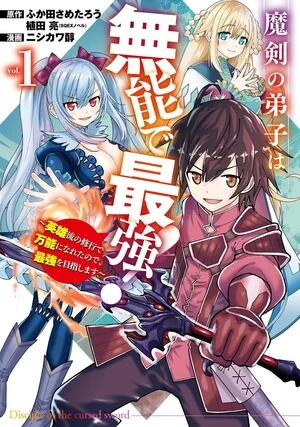
Table of Contents
Series Overview: From Web Novel to Multimedia Franchise
Maken no Deshi wa Munō de Saikyō! began as a web novel on the Shōsetsuka ni Narō platform, where author Sametarō Fukada launched the story in September 2020. The premise—an apparently incompetent disciple who becomes overwhelmingly powerful after undergoing a rigorous hero-style training—blends isekai-lite and fantasy tropes with character-driven humor and action. The light novels received print publication (with illustrations by Ryō Ueda) and grew a dedicated readership that encouraged multiple manga adaptations and eventually an anime TV series in October 2023.
Publication History and Key Creators
Author and Original Web Novel
Sametarō Fukada originated the story on Shōsetsuka ni Narō, a popular home for web novel writers in Japan. The web novel’s accessible tone and steady character development made it a strong candidate for print and adaptation. (Read the original Shōsetsuka ni Narō posting for reference). Shōsetsuka ni Narō source
Light Novels and Illustrations
Square Enix picked up the series for printed publication, shipping the third novel volume in February 2022 with illustrations by Ryō Ueda. The print editions expanded the novel’s reach and offered higher-quality art and editing that appealed to collectors and new readers alike.
Manga Adaptations
Jun Nishikawa launched a faithful manga adaptation on Square Enix’s Manga UP! platform in August 2021, delivering a panel-by-panel retelling that emphasized comedic timing and action choreography. The manga ran through multiple compiled volumes; Square Enix shipped the ninth tankōbon volume on March 6. Meanwhile, a different manga adaptation by Ichiho Katsura began on Shufu to Seikatsu Sha’s Pash Up! website in 2020 — that version is published in English by Kodansha USA.
What the Manga Finale Means for Fans
The manga’s final chapter marks both an ending and a pivot point for the franchise. For readers who followed Nishikawa’s adaptation from August 2021, the finale wraps long-running plot threads and provides closure to character arcs that were serialized over several years. For the broader fanbase, the end of one adaptation often renews interest in other formats — readers tend to re-read the light novels, collect the tankōbon, or re-watch the anime to compare pacing, art direction, and story choices across mediums.
Art, Pacing, and Adaptation Choices
Nishikawa’s manga is notable for balancing faithful adaptation with visual flourishes: action sequences become more kinetic on the page, comedic beats get visual exaggeration, and emotional moments are given close-ups and pacing that differ from the novels. The conclusion highlights how adaptation choices affect tone and character perception, and many fans will likely debate which version — novel, manga, or anime — best represents Fukada’s intent.
Where to Read and Buy
If you want to experience the series in multiple formats, consider the following options: purchase physical light novel volumes (Square Enix prints are widely available in Japan), collect manga tankōbon for the Nishikawa adaptation, or read licensed English releases such as the Ichiho Katsura manga from Kodansha USA or the English novel localizations handled by J-Novel Club. For collectors looking for original covers and extras, official stores and large booksellers often have Japanese editions and import-friendly listings.
The Anime Adaptation and Its Impact
The TV anime adaptation that aired in October 2023 introduced Maken no Deshi wa Munō de Saikyō! to an even larger audience. Anime adaptations frequently act as gateway experiences: viewers who enjoyed the show often turn to the manga or novels to find expanded scenes and additional character development. The anime’s release likely contributed to increased sales and helped the manga and novels reach new international readers.
Cross-Media Benefits
Cross-media promotion — web novel → light novel → manga(s) → anime — is a successful model for modern Japanese publishing because it allows creators to test concepts and iterate. Each medium highlights different strengths: prose offers inner monologue and exposition, manga visualizes pacing and comedic timing, and anime adds sound, motion, and broader cultural visibility.
Themes and Why the Series Resonates
At its core, Maken no Deshi wa Munō de Saikyō! explores growth, perseverance, and the subversion of expectations. A protagonist written off as “incompetent” who becomes the strongest through training resonates with readers who enjoy underdog stories and character-led power fantasy. The series also balances lighthearted comedy with action, making it accessible to fans who seek both laughs and epic confrontations.
Recommended Reading Order
To get the full experience, a recommended path is: (1) read the original web novel or light novel for canonical depth, (2) follow Jun Nishikawa’s manga for a visual retelling with unique panels, and (3) watch the anime to enjoy the soundtrack and animation that bring set pieces to life. For English readers, check licensed English editions where available to support official translations and local publishers.
Final thoughts
The conclusion of Jun Nishikawa’s manga adaptation is a bittersweet moment for fans — it brings a satisfying close to a beloved serialized retelling while also directing attention back to the original novels and other adaptations. Whether you’re a collector of tankōbon, a binge reader of web novels, or an anime viewer, Maken no Deshi wa Munō de Saikyō! offers a compelling blend of humor, heart, and action that showcases why cross-media Japanese storytelling continues to thrive. If you haven’t yet experienced the series across formats, now is a great time to start and compare how each version handles the journey from “incompetent” disciple to unstoppable hero.