Jujutsu Kaisen Season 3 continues to impress, and episode 55 stands out as a turning point that blends psychological depth, social critique, and top-tier animation. This installment moves beyond spectacle to explore what happens when a character’s faith in institutions shatters — and how that collapse can become a terrifying source of power. Below I break down the episode’s strengths, from thematic coherence to the subtle audio and visual touches that elevate the storytelling.
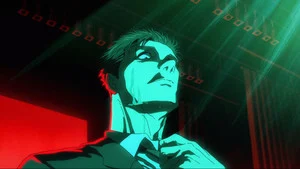
Table of Contents
Episode Overview: A Shift from Pure Action to Psychological Drama
Episode 55 dials back from nonstop combat to deliver an episode rooted in atmosphere and character study. Instead of focusing solely on flashy fight choreography, the story centers on Hiromi Higuruma — a lawyer whose moral and professional collapse becomes the catalyst for frightening displays of cursed energy. This approach reframes Jujutsu Kaisen’s power system as not just physical might, but as an embodiment of social trauma and disillusionment.
Hiromi Higuruma: The “Business Daddy” the Series Needed
Higuruma is introduced with a nuance that few supporting characters get: he’s not villainized as a simple antagonist, nor is he a static mentor figure. The episode explores his last trial, the social mechanisms that ensured a wrongful conviction, and the weight of a system that prioritizes optics over justice. Watching his gradual mental breakdown — and the consequential awakening of his cursed technique — is both heartbreaking and chilling.
Why Higuruma Resonates
- He embodies a familiar midlife crisis archetype, updated for a world where institutions rely on public perception.
- The injustice he witnesses ties into the franchise’s recurring motif: the human element behind cursed energy.
- His transformation underscores how societal failures can become literalized threats in the Jujutsu universe.
Social Commentary: Bullying, Stigma, and a Flawed Justice System
One of the episode’s most compelling aspects is how it links courtroom politics to broader social stigmas. The storyline about a defendant condemned more by rumor and institutional inertia than by evidence effectively dramatizes how pressures to maintain high conviction rates can warp justice. Parallel threads involving Junpei and Mahito’s earlier arcs heighten the focus on bullying and the psychological fallout of marginalization — themes the series handles with growing sophistication.
Animation and Direction: MAPPA’s Subtle Brilliance
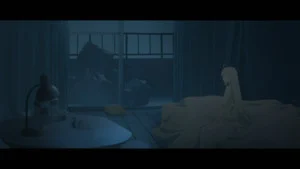
MAPPA’s crew is widely recognized for kinetic battle sequences, but episode 55 proves they’re just as adept at atmospheric set pieces. Rather than relying on nonstop motion, the episode alternates between fluidly animated scenes and stark, hyper-detailed stills. Those stills are used to punctuate Higuruma’s internal collapse, turning his subjective breakdown into a visual language that feels both surreal and intimate.
Color, Composition, and Perspective
The color palette shifts to mirror Higuruma’s mental state: colder, harsher tones when his trust erodes, interrupted by jarring, almost theatrical flourishes during key moments of emotional rupture. The framing often places Higuruma in oppressive negative space, visually communicating his isolation and the crumbling of his worldview.
Sound Design as Storytelling
Sound plays a quietly vital role. From the reverberating crack of a gavel to the oddly intimate squelch of shoes leaving a bathtub, auditory details make this episode feel tactile. Those sounds anchor surreal visuals, making the emotional stakes feel immediate and visceral.
Megumi and the Culling Game Context
While the episode centers on Higuruma, it also pushes forward the larger Culling Game narrative by forcing characters like Megumi to respond to unexpected threats. The plot twist of an incarnated sorcerer luring Megumi into combat reframes the Culling Game’s purpose: it’s not just a tournament, it’s a crucible exposing social fractures. This ambiguity — who benefits, who’s manipulated, and why — enriches the arc beyond simple win-or-lose stakes.
Thematic Consistency: Power as a Mirror of Society
The best episodes of Jujutsu Kaisen have always tied cursed energy to human emotion and societal pain. Episode 55 leans into that core conceit with renewed focus, showing how collective disillusionment can manifest as literal supernatural threat. This episode feels thematically coherent in a way the series has occasionally missed, marrying spectacle with sober critique.
Comparisons to Earlier Seasons
Unlike some of the flashier fight-centered episodes from previous seasons, this chapter privileges atmosphere and psychological detail. The result is a more mature and contemplative tone that recalls the series’ strongest early moments while still benefiting from MAPPA’s elevated production values.
Where to Watch
If you haven’t caught this episode yet, Jujutsu Kaisen Season 3 is available for streaming. Watch it on Crunchyroll for English subtitled and dubbed options: Crunchyroll — Jujutsu Kaisen. For more episode details and community reactions, the MyAnimeList page can be a useful reference: MyAnimeList — Jujutsu Kaisen.
Standout Moments
- Higuruma’s courtroom breakdown and cursed technique reveal — a masterclass in character-driven escalation.
- The creative use of still frames and shifting perspectives to visualize mental disintegration.
- Sound cues that make even mundane actions feel unnerving and significant.
Potential Criticisms
Some viewers may miss the high-octane battles that define much of Jujutsu Kaisen’s appeal. The episode’s slower, moodier pace may feel like a tonal shift after recent action-heavy installments. However, that change of pace is deliberate and ultimately deepens the narrative, providing emotional weight that will pay off in later confrontations.
Final thoughts
Episode 55 is a standout for Season 3 because it uses Jujutsu Kaisen’s supernatural framework to probe very human failures: institutional injustice, societal stigma, and the consequences of losing faith in the systems meant to protect us. With strong direction, purposeful sound design, and an unforgettable turn from Hiromi Higuruma, this installment proves the series can be as thoughtful as it is thrilling. For fans who appreciate when anime blends social critique with supernatural spectacle, this episode is essential viewing.