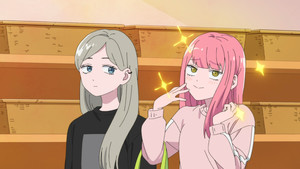
The latest episode of Jujutsu Kaisen Season 3 (episode 58) is a study in contrasts: visually arresting and meticulously animated, yet narratively uneven. As the Culling Game continues to unfold, the series leans heavily on high-quality fight choreography and striking poses, but this episode highlights a recurring problem — stellar animation can’t always carry an underdeveloped confrontation or a muddled emotional beat. Below I break down the standout moments, the shortcomings, and what this episode reveals about the season’s larger direction.
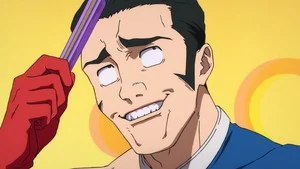
Table of Contents
Episode 58 recap: Megumi vs Reggie
The episode picks up immediately after the previous installment, with Megumi activating an incomplete domain and launching an onslaught of shikigami and shadow clones at Reggie. The sequence is fluid and visually clear — the animators make every move readable and impactful — but the narrative quickly slides into exposition-heavy territory. Instead of letting the fight breathe and the audience infer stakes from the visuals, the episode relies on internal monologue and explicit narration to explain why Megumi’s domain functions the way it does and why Reggie’s counters are miscalculated.
Animation vs. storytelling: when good visuals aren’t enough
There’s no question the episode is a technical triumph. The camera work, timing, and frame composition sell the physicality of each exchange. However, the overuse of explanatory narration robs key moments of tension. When two combatants are locked in a test of endurance, the sequence should feel visceral and immediate — the audience should be invited to experience the strain without a running commentary. Instead, the episode repeatedly pauses to explain mechanics that the visuals already convey, weakening the emotional punch.
Character analysis: who works and who doesn’t
Megumi Fushiguro — nuance and missed opportunities
Megumi’s actions here are arguably the episode’s strongest element. The moment he walks away from a dying Reggie is handled with restraint and weight; the show lingers on the aftermath in a way that underscores Megumi’s temperament and moral calculus. There’s a satisfying maturity to his choices, and the episode does well to highlight why a prior escape via Nue wouldn’t have been a simple option. Those quieter beats make Megumi feel like a fully realized character even when the central fight stumbles.
Reggie — a villain who doesn’t land
By contrast, Reggie comes across as one of the weaker antagonists of the season. The series struggles to make him feel threatening or ideologically interesting; his knowledge of modern amenities (gymnasiums, heated pools) is presented without explanation and therefore rings hollow. For a show that usually excels at differentiating character backgrounds and world context, Reggie’s portrayal feels undercooked — a missed chance to deepen the conflict and ties to the Culling Game’s broader stakes.
Remi — awkward commentary on adulthood
Remi’s subplot — her complaints about adulthood and dependence — feels like an underdeveloped attempt at social observation. In a cast filled with multifaceted personalities representing different ideals and worldviews, Remi comes off as a flat, stereotyped figure. Her portrayal leans into tropes rather than expanding on the socio-cultural forces that might shape her anxiety, making the scene feel shallow and, at times, unintentionally regressive.
Takaba — the comic relief that retains value
On the brighter side, Takaba’s gag-character powers are more formally established, and those moments land. The show balances the heavier beats with small winks of levity and character detail that help break the monotony of exposition. Takaba’s scenes don’t carry thematic weight, but they do provide texture and help the episode avoid feeling uniformly flat.
Worldbuilding and continuity: unanswered questions
One of the episode’s most frustrating aspects is the inconsistent approach to worldbuilding. Jujutsu Kaisen has typically been meticulous when it comes to its power systems and historical context; this episode’s casual assumption that centuries-old incarnated sorcerers would be intimately familiar with modern facilities stretches believability. When the series glosses over such moments instead of addressing them, it creates jarring continuity gaps that undermine immersion.
Where this sits within Season 3
Episode 58 is emblematic of a broader tension in Season 3: the anime wants to showcase lush animation and faithful fight sequences while also advancing a sprawling, episodic narrative full of new faces and rules. When those elements align — as they have in several of the season’s best episodes — the payoff is tremendous. When they don’t, as here, the result is an uneven viewing experience that relies on style more than substance. That said, the episode does tease stronger payoffs ahead, including Yuta’s upcoming involvement in the battle royale and a more focused match that many fans of the manga already anticipate.
Where to watch
Jujutsu Kaisen Season 3: The Culling Game Part 1 is available to stream on major platforms. For viewers looking to catch the latest episodes, Crunchyroll streams the series — watch here.
Final thoughts
Episode 58 is a reminder that animation alone can’t fix weak narrative choices. The episode delivers impressive visuals and a few meaningful character beats, particularly with Megumi, but it also exposes shortcomings in villain construction, worldbuilding consistency, and the tendency to over-explain what the audience can already see. Still, the quality of the animation and the promise of stronger battles ahead keep the season compelling. For viewers invested in the Culling Game arc, this is a lukewarm interlude rather than a misfire — and hopefully the show will move from impressive presentation back toward sharper storytelling in upcoming episodes.