Episode 9 of In the Clear Moonlit Dusk, titled “A Goodnight Hug,” takes the cast to Kobe and folds in intimate conversations, sibling trauma, and cultural signifiers about beauty — all against a backdrop of uneven animation. This installment centers on Yoi and Ichimura exploring boundaries, identity, and tentative romance while the rest of the group tours the city. Below I break down the episode’s major beats, thematic threads, technical strengths and weaknesses, and leave a set of discussion prompts for viewers who want to dig deeper.
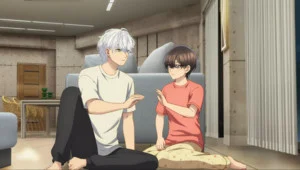
Table of Contents
Episode overview: quiet moments, bigger implications
At surface level, Episode 9 is a low-stakes, character-driven outing: sightseeing in Kobe, a stay at the Ichimura family vacation home, and a late-night heart-to-heart that leads to a proper date at the aquarium. But the episode uses these simple beats to interrogate how past family dynamics shape adult attachments, and how cultural aesthetics — specifically Japanese beauty norms — influence Yoi’s self-presentation. The pacing favors small, personal scenes over big plot movements, which will please viewers invested in emotional nuance but frustrate anyone expecting high-energy drama.
Yoi and Japanese beauty standards: parasols, pale skin, and coded femininity
One of the episode’s clearest motifs is Yoi’s use of a parasol and her concern over sun exposure. That choice plays as more than sun safety: in Japan, historically and culturally, lighter skin has been linked to femininity and desirability. The show leans into this by visually coding Yoi as pale and careful with sunlight, even as she expresses a more masculine presentation in posture and clothing.
Yoi’s relationship to gendered appearance invites questions about how anime signals femininity and masculinity through superficial markers — skin tone, accessories like parasols, and wardrobe choices — rather than exploring a more nuanced interior identity. The parasol here functions as a shorthand: it publicly gestures toward a desire to be perceived as feminine, complicating assumptions about her “tomboy” label.
For readers who want background on the social history and conversations around skin-whitening and beauty standards in Asia, this primer is informative: Skin whitening — Wikipedia.
Animation and production notes: charming moments, jarring shortcuts
Visually, the episode is mixed. Some sequences — the aquarium roaming, close-ups during intimate conversation — capture soft shoujo touches that elevate the emotional beats. But the episode also shows clear cost-cutting: a moment where Ichimura hops over a couch is animated by dragging a static drawing across the frame rather than properly reposing or shifting weight. These shortcuts pull viewers out of otherwise tender scenes and reflect a recurring problem for many romance-centered anime where budgets and timing often deprioritize fluid character animation.
That imbalance matters because this series relies on body language and small gestures to convey relational development. When the animation falters, the emotional payoff is dulled.
Character dynamics: Ichimura’s touch and Yoi’s boundaries
Two scenes in particular propel Ichimura and Yoi forward as a couple. The first is a late-night conversation where they consciously talk about boundaries and how they want to be treated. Ichimura’s instinctive way of expressing affection is physical touch — a pattern born from previous casual relationships — while Yoi is still learning how she wants to reciprocate. The show treats their discussion as an important step: rather than letting Ichimura barrel forward, the pair negotiates the terms of closeness.
The second scene is an archetypal shoujo date at the aquarium. It’s not flashy, but it’s intimate: Yoi enjoying sweets, the two wandering among fish and seals, ending in the gift shop where they exchange small emotions along with tchotchkes. These moments make the relationship feel lived-in and slow-growing, which is one of the series’ strengths.
Love languages and relationship expectations
The episode intentionally winks at “love language” thinking by foregrounding physical touch as Ichimura’s default and Yoi’s search for her own way to show affection. While the modern love-language framework (gifts, acts of service, physical touch, words of affirmation, quality time) is a helpful shorthand, it’s also an oversimplification. Real relationships, as the episode quietly suggests, require a dynamic mix of all those elements and ongoing negotiation.
Themes of sibling trauma and how they shape adulthood
Both protagonists carry sibling-shaped scars. Yoi’s sister embodies the feminine ideal Yoi feels she can’t occupy, and hearing the boy she liked praise that feminine ideal hurt Yoi deeply. Ichimura’s older brother experienced a fallout that led to familial estrangement. These backstories set both characters’ guarded approaches to love: Yoi’s self-consciousness about appearance and Ichimura’s habit of keeping affairs more physical than emotional.
The episode argues — effectively — that encountering someone who challenges those defensive scripts can begin to recalibrate expectations. The slow thaw between them is the main drama here.
Discussion prompts for viewers
- How do visible cultural cues (skin tone, parasols, dresses) influence your read of a character’s gender identity in anime?
- Do you think Ichimura’s physical approach to intimacy is a habit he can unlearn? What would help him communicate better?
- Have sibling relationships in your life shaped your ideas about romance or what’s “safe” to expect from partners?
Where to watch
In the Clear Moonlit Dusk is available to stream on Crunchyroll: Crunchyroll — In the Clear Moonlit Dusk.
Final thoughts
Episode 9 is a calm, character-rich entry that prioritizes intimate conversation and emotional clarity over spectacle. It does notable work probing how cultural aesthetics and family histories influence romantic selfhood, and it rewards viewers who appreciate slow-burning relational development. However, inconsistent animation and occasional visual shortcuts blunt some of the emotional impact. If you’re invested in Yoi and Ichimura’s growth, this episode is an important step forward — one that promises deeper reckonings as the series continues to explore identity, vulnerability, and what it takes to trust someone with your heart.