The Will Eisner Comic Industry Awards have once again put the spotlight on manga, with an impressive slate of nominees reflecting the medium’s artistic range and international reach. This year’s shortlist includes slice-of-life masterpieces, experimental short stories, acclaimed graphic memoirs, and archival projects that celebrate manga’s history—underscoring how Japanese comics continue to shape the global comics landscape.
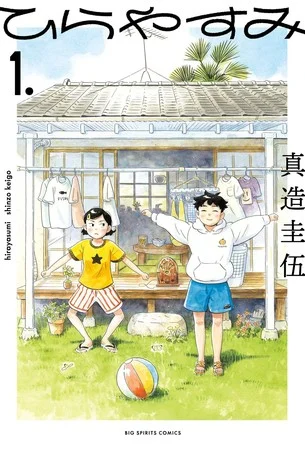
Table of Contents
Key manga nominees in the Best U.S. Edition of International Material—Asia category
The Eisner nominations list highlights three notable manga works competing in the Best U.S. Edition of International Material—Asia category. Each title represents a different creative voice and translation team, demonstrating the care U.S. publishers and translators bring to bringing these works to English-speaking readers.
Hirayasumi — Keigo Shinzō (translated by Jan Mitsuko Cash)
Keigo Shinzō’s Hirayasumi earned a nomination for its U.S. edition. Known for work that blends quiet character moments with keen observational humor, Shinzō’s storytelling—paired here with Jan Mitsuko Cash’s translation—has resonated with readers and critics alike, earning recognition from the Eisner judges.
Land — Kazumi Yamashita (translated by Kevin Gifford)
Kazumi Yamashita’s Land is another standout nominee. Yamashita also secured a separate nomination for Best Writer/Artist for the first volume of Land, underscoring the series’ strength in both narrative and craft. The dual recognition—work-level nomination and creator-level nomination—highlights how Land has captured attention for its artistic voice.
Tokyo Alien Bros. — Keigo Shinzō (translated by Casey Loe)
Also nominated is Keigo Shinzō’s Tokyo Alien Bros., translated by Casey Loe. The presence of two titles by the same creator on the slate speaks to Shinzō’s versatility and the breadth of his appeal among English-language audiences.
Other notable manga nominations across Eisner categories
The Eisner Awards’ manga nominations extend beyond the primary international-material category, reflecting a broader appreciation for diverse formats and approaches.
Short story recognition: Shintaro Kago
Experimental manga auteur Shintaro Kago received nominations in the Best Short Story category for his pieces “Blood Harvest” and “The Curse Room.” Both stories are collected in the Brain Damage anthology of Kago’s short works, and the nods highlight how short-form manga can deliver high-impact, genre-bending narratives.
Graphic memoirs and archival projects
Anime director Rintarō’s My Life in 24 Frames per Second was nominated for Best Graphic Memoir, showing the Eisners’ willingness to honor works that bridge cinema and comics. Meanwhile, Kodansha USA’s hardcover archival release of volumes 1–5 of Katsuhiro Ōtomo’s Akira is nominated for Best Archival/Collection Project, recognizing the ongoing importance of preserving and presenting classic manga to new generations.
Scholarly and design recognition
The nominations also celebrate manga scholarship and publication design. Andrea Horbinski’s Manga’s First Century: How Creators and Fans Made Japanese Comics is nominated for Best Academic/Scholarly Work, while design-driven projects such as The Art of Manga and the Fruits Basket: The Complete Box Set (Collector’s Edition #13) received nominations for Best Publication Design, acknowledging the craft behind premium editions and critical studies.
Digital and innovative releases
Digital publishing continues to be recognized: Viz’s English release of hakei’s DeadAss is in the running for Best Digital Comic, highlighting outstanding work that originated, or is primarily distributed, in digital formats.
What these nominations mean for manga in the West
Collectively, these nominations reflect several trends worth noting for fans and industry watchers:
- Broad recognition: The Eisner slate acknowledges everything from intimate slice-of-life manga to avant-garde short stories and archival restorations—showing manga’s artistic breadth.
- Translator spotlight: Translators are explicitly credited in many nominations, spotlighting the critical role translators play in shaping English-language editions.
- Publication quality matters: Nominations for archival and design categories reward careful, high-quality editions that preserve artistic intent and offer collectors and new readers excellent presentations.
Honors and legacy
In addition to the year’s nominations, the Eisner Awards will induct a manga legend into the Hall of Fame: Gō Nagai is slated for induction, further cementing the long-standing influence of manga creators on the global comics scene. Last year’s winner in the Best U.S. Edition of International Material—Asia category was Taiyo Matsumoto’s Tokyo These Days (translated by Michael Arias), illustrating how manga titles have increasingly become fixtures in comics award conversations.
Where to learn more
For the full list of nominees and official details from the awards organization, check the Eisner Awards page at Comic-Con International. Official Eisner Awards information.
Final thoughts
The latest Eisner nominations underscore how manga is no longer a niche within the U.S. comics ecosystem but a central and celebrated component of the medium. From intimate dramas and boundary-pushing shorts to archival restorations and critical scholarship, this year’s nominees reflect both creative diversity and the high production standards now common in English-language manga releases. Whether you’re a longtime manga reader or new to the form, these nominated works offer excellent entry points into the wide range of stories manga can tell.