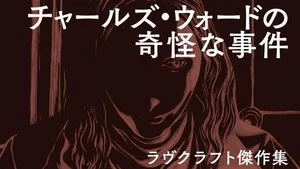
Gou Tanabe, already renowned for his faithful, atmospheric manga adaptations of H.P. Lovecraft’s cosmic horror, began serializing a manga version of The Case of Charles Dexter Ward on April 1. This new entry continues Tanabe’s meticulous reimagining of Lovecraftian fiction for manga readers, blending period detail, creeping dread, and visual storytelling that highlights the novella’s themes of identity, forbidden knowledge, and ancestral secrets.
Table of Contents
Why Gou Tanabe’s Lovecraft Adaptations Resonate
Tanabe has carved a niche by translating Lovecraft’s dense, descriptive prose into sequential art that respects the original tone while making each story accessible to modern readers. His work emphasizes atmosphere over shock, using shadow, texture, and panel composition to evoke the unnameable horrors that lurk beyond human comprehension. For fans of both horror manga and classic weird fiction, Tanabe’s adaptations are a natural bridge between two traditions.
Faithful Adaptation with Manga Storytelling Strengths
Rather than simply illustrating the text, Tanabe adapts Lovecraft’s pacing to fit serialized manga structure: scenes breathe when they need to, and revelations land with cinematic clarity. His portrayals of locales, artifacts, and grotesque transformations are rendered with careful linework and a keen eye for period-accurate detail, enhancing the sense that the uncanny intrudes on an otherwise ordinary world.
The Case of Charles Dexter Ward: What Makes This Novella Adaptable
H.P. Lovecraft’s The Case of Charles Dexter Ward is a complex tale of ancestry, occult resurrection, and the dangerous curiosity of a young antiquarian. Its themes — obsession with lineage, the rediscovery of forbidden rituals, and the erasure of self — translate well to visual form. Tanabe’s adaptation emphasizes the psychological unraveling of Ward and the escalating dread as investigators piece together the truth.
Key Narrative Elements Tanabe Highlights
- Historical research and antiquarian obsession — the story’s slow-building mystery benefits from visual cues (journals, letters, manuscripts) that Tanabe renders with tactile realism.
- Transformation and identity — Tanabe’s art captures the horror of bodily and spiritual metamorphosis without resorting to cheap shocks, favoring progressive unease.
- Investigative pacing — panels convey the methodical assembling of clues, letting readers feel the same creeping realization as the characters.
Tanabe’s Lovecraft Catalogue: A Quick Overview
Over the past decade Tanabe has tackled many of Lovecraft’s major and lesser-known works, producing individual volumes and short-series adaptations that have introduced manga readers to the Dream Cycle, Innsmouth, Cthulhu mythos staples, and more. Several of these have been collected and published in English, broadening his international reach.
Notable Releases and Recognitions
- The Hound and Other Stories — collected adaptations that helped establish Tanabe’s Lovecraft credentials.
- At the Mountains of Madness — a sprawling, atmospheric take on the Antarctic epic, notable for its environmental scope and architectural dread.
- The Call of Cthulhu — Tanabe’s version received critical praise and awards recognition for its graphic-novel adaptation of the classic tale of cults and cosmic entities.
- The Colour Out of Space and The Shadow Out of Time — later releases that continued Tanabe’s trend of faithful, artful reinterpretation.
Where to Read Tanabe’s Work
Many of Gou Tanabe’s Lovecraft adaptations are available in English from established publishers and can be found as collected volumes. For readers interested in exploring his broader catalogue or picking up translations, publisher sites and major retailers are the best places to start. For publisher information and release details, see the publisher’s official site. Dark Horse Comics is one accessible source for many English-language editions.
Format and Release Notes
Tanabe’s works appear as semimonthly or serialized manga online and are later collected into tankobon-style volumes. This serialized cadence allows Tanabe to maintain tension across chapters while collected volumes make it easy for readers to experience the whole narrative in a single sitting. Keep an eye on publisher announcements for print and omnibus releases.
Art Style and Horror Techniques
Tanabe leans on fine, detailed linework, high-contrast shading, and careful page composition to cultivate dread. Close-ups on artifacts or text, long-angled establishing shots, and stark negative space are recurring tools that increase suspense. Rather than depicting overt monstrous spectacle in every scene, Tanabe often suggests horror — letting the reader’s imagination complete the rest.
Soundless Horror — Visual Rhythm and Silence
Comics lack audio, so pacing and visual rhythm become essential. Tanabe uses silent panels and elongated sequences to simulate the sensation of waiting, the same way a film might hold on an empty hallway to build tension. This control over tempo is one reason his Lovecraft adaptations feel cinematic without losing the intimacy of illustrated fiction.
Who Should Read This Manga?
If you enjoy slow-burn horror, period mysteries, and adaptations that honor source material while using the strengths of manga storytelling, Gou Tanabe’s The Case of Charles Dexter Ward (and his wider Lovecraft body of work) are essential reads. Fans of classic weird fiction, gothic atmosphere, and detailed line art will find much to admire.
Content Warnings
Tanabe’s adaptations faithfully portray the unsettling and sometimes disturbing elements of Lovecraft’s stories. Expect themes of bodily transformation, necromancy, and psychologically intense scenes. These are best enjoyed by mature readers comfortable with classic horror tropes.
Final Thoughts
Gou Tanabe’s manga adaptation of The Case of Charles Dexter Ward continues his sustained, respectful engagement with H.P. Lovecraft’s fiction. By translating complex, descriptive prose into stark, meticulously crafted visuals, Tanabe offers both longtime Lovecraft fans and newcomers a fresh way to experience cosmic horror. Whether encountered chapter-by-chapter online or in collected volumes, this adaptation reinforces Tanabe’s place as one of the most accomplished interpreters of weird fiction in manga form. For readers wanting to explore more of his translated works, publisher catalogs and reputable retailers are the best route to start your descent into Lovecraftian darkness.