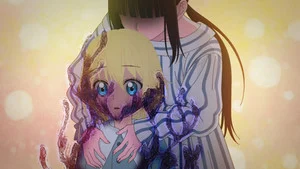
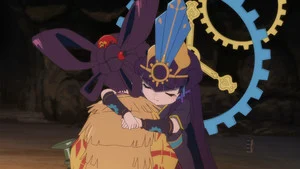
Champignon Witch episode 10 pushes the series’ central conflicts into sharper relief: fear, prejudice, and the quiet power of memory. This installment builds on Luna’s growing isolation and the city’s desperation as miasma spreads, forcing the narrative to confront who benefits from keeping people afraid of the very witches who can help them. Below is a deep dive into the episode’s key beats, character moments, and the themes that make this show bloom.
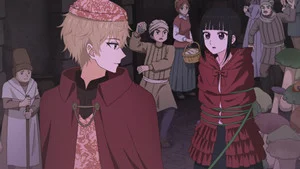
Table of Contents
Episode 10 Recap: Miasma and Misunderstanding
Episode 10 opens with the city suffocating under thick miasma while Luna, discouraged by past hostility, stops her regular purification trips. The consequence is immediate: the air grows foul, fungal purifications struggle, and even friendly shopkeepers—like Luna’s bookseller fairy friend—are trapped indoors. When Luna finally ventures in with oversized purifying mushrooms that signal the severity of the pollution, the citizens respond not with gratitude but with fear and violence. A white wizard takes the opportunity to arrest her, reinforcing the stigma that black witches are dangerous despite mounting evidence to the contrary.
Why the City Turns on Luna: Prejudice and Propaganda
The episode centers on the idea that fear is contagious and easily weaponized. Even with visible evidence that the air clears around Luna’s purifications, people cling to a narrative that black witches are inherently evil. The story suggests an orchestrated campaign—most likely driven by white magic users entrenched in power—to keep the populace suspicious of any outsider who could threaten their authority.
There’s also an environmental reading: the miasma isn’t just a plot device, it’s a metaphor for social rot. As pollution spreads, rational thought decays. The episode’s bleak humor, captured by the reviewer’s psychology-class anecdote (“People are morons”), underlines how readily humans accept convenient lies when they’re afraid.
The Role of White Magic in Shaping Public Opinion
White magic figures in this episode act less like healers and more like gatekeepers. By arresting Luna and denouncing black magic, they consolidate control—even as their own negligence or prejudice exacerbates the crisis. This inversion (those who claim moral authority causing harm through inaction or malice) is a classic fairy-tale twist that Champignon Witch uses to interrogate who really protects society.
Henri’s Memory: A Moment of Hope
One of the episode’s most affecting beats is Henri’s reaction to Luna. Once the object of her deep affection, Henri appears older and settled—married with a child. Yet, something of Luna remains in him; he remembers her where most have forgotten. That lingering memory functions as a lifeline for Luna, who has long believed she was forgotten and insignificant.
Henri’s recall isn’t a full reconciliation but it’s meaningful: it proves Luna’s presence mattered and that her magic did more than just produce strange mushrooms. The narrative uses this rekindled, quieter memory to offer Luna closure and a renewed sense of worth, which is essential for her development going forward.
Character Focus: Luna, Lize, and the Power Dynamics
Luna continues to embody resilience—the black witch who heals but is treated as a pariah. The episode sharpens the contrast between her intentions and the city’s reactions, emphasizing that benevolence is no shield against social prejudice.
Lize as a Fairy-Tale Stand-In
Lize’s role becomes more complicated; he occupies a space that mirrors classic fairy-tale heroines. The show hints that Lize’s relationship with Luna might parallel earlier stories of love and rescue, with unexpected reversals of gender and power dynamics. The episode teases that Lize may ultimately fill a narrative function similar to Luna’s own longing: he may be both ally and mirror to her emotional arc.
Antagonists and Institutional Control
The white wizard who arrests Luna exemplifies how institutions weaponize law and religion to preserve hierarchy. Their actions are calculated: they stoke fear and squash dissent. This antagonistic force raises the stakes—Luna is not only fighting pollution and prejudice, but also a system determined to keep her marginalized.
Themes and Symbolism: Purification, Memory, and Social Rot
Episode 10 deploys strong symbols—mushrooms as life-saving agents, miasma as a physical and moral contaminant, and memory as an act of resistance. Luna’s oversized mushrooms visually communicate how out-of-balance the city’s ecosystem has become, while Henri’s preserved memory becomes the emotional antidote that challenges institutional erasure.
The episode also leans into the fairy-tale motif: witches, corrupted authorities, and the idea that small acts of kindness (like Luna’s purifications) carry immense moral weight, even when unrecognized.
Production Notes: Direction, Visuals, and Sound
Visually, the episode contrasts murky, oppressive cityscapes with the warm, natural tones associated with Luna’s forest life. This helps underline the thematic divide between life-preserving magic and the manufactured safety of institutional control. Sound design and score accentuate tension during moments of mob hysteria and soften during character-driven beats, especially the revelation of Henri’s memory.
Pacing and Emotional Payoff
The narrative balance between worldbuilding and character work is well managed. The episode spends time on small human reactions—fear, denial, fleeting kindness—that add texture to the broader conflict. The payoff is emotional rather than explosive: the hope resides in memory and recognition rather than grand battles.
Champignon Witch is currently streaming on Crunchyroll. For series information and community discussion, see the show’s page on MyAnimeList.
Final thoughts
Episode 10 of Champignon Witch is a quietly effective chapter that uses fear and memory to explore prejudice and resilience. It refuses to sensationalize Luna’s struggles and instead focuses on the small, human moments that reveal who a person truly is—both for good and ill. Henri’s remembered tenderness offers a poignant counterpoint to institutional cruelty, and the show’s fairy-tale sensibilities continue to transform familiar tropes into thoughtful social commentary. If the series maintains this emotional clarity while escalating the conflict with the white magic establishment, the closing episodes could deliver a satisfying mix of catharsis and justice.