Episode 3 of Akane-banashi marks a clear turning point: it’s where young Akane’s long journey toward mastery truly begins. The episode doesn’t just adapt a beloved manga chapter — it amplifies it, using motion, music, and performance to sharpen emotional beats and comedic timing. Whether you’re a fan of rakugo as an art form or you simply love character-driven coming-of-age stories, this episode delivers lessons, heart, and craft in equal measure.
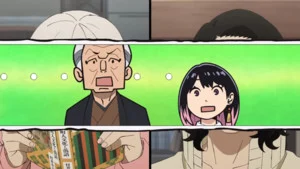
Table of Contents
Adaptation that enhances the source material
One of the strongest aspects of this episode is how the anime elevates moments that were already effective on the page. The manga laid the emotional and narrative groundwork, but animation brings an extra layer of nuance: performance subtleties, carefully timed silence, and musical cues that heighten tension or release. The result is an experience that feels both faithful and fuller — the same story told with additional tools that make scenes land more viscerally.
Pacing, tone, and variety
Episode 3 balances comedic flourishes with quieter, human moments. The pacing is deliberate: scenes build toward emotional reveals, but the show never rushes its beat changes. Comedic beats are given space to breathe, while introspective segments linger just long enough to let their weight settle. That tonal flexibility is essential for a series about a performing art that itself rides the line between laughter and sorrow.
Character work: Akane growing through trial
At the heart of the episode is Akane’s learning curve. The narrative emphasizes that rakugo is not just technique; it’s life experience translated into performance. Akane’s progress isn’t a montage of instant success. Instead, we see the tangible labor of learning to read and connect with people: fumbling attempts, failed impressions, and the awkwardness of interpersonal misreadings. These missteps are important — they underscore that artistic growth requires exposure to messy, real situations.
Learning by doing: the restaurant scene
The restaurant sequence stands out as a practical and emotional lesson. Akane has to navigate a language barrier and time pressure while trying to connect with customers — a believable test of her ability to communicate and improvise. The restaurant owner’s advice is striking: rakugo thrives on mistakes and the shared humanity that comedy reveals. This idea reframes failure as fuel for authentic performance, pushing Akane to live more fully so her stories can ring true.
Master Shiguma: a layered mentor
Master Shiguma’s presence in this episode is a study in restrained characterization. His opening demonstration of greetings serves a dual purpose: comic display and an object lesson in expressive range. Later, an intimate exchange with Masaki grounds Shiguma in a quieter sorrow. The anime uses small visual choices — trembling hands, averted gaze — to convey a veteran performer’s lingering regrets. These moments enrich the mentor-student dynamic and hint at an emotional history that informs Shiguma’s teaching.
Voice acting that sells subtlety
Performances matter here. The voice acting captures nuance: the comedic bounce, the pained memory, the encouraging warmth. These vocal choices, paired with direction and timing, help the episode strike an emotional balance without tipping into melodrama. In short, the cast makes characters feel lived-in rather than merely archetypal.
Direction, visuals, and music: performance amplified
The animation capitalizes on rakugo’s performative nature by staging visual flourishes around storytelling moments. Close-ups, cutaway reactions, and timing of silence turn spoken lines into acts. Background art and character animation prioritize facial expressions and body language — critical for an art form rooted in subtle storytelling.
Music also plays a careful role: it underscores rather than overwhelms. During comic sections, the score accentuates rhythm and timing; in reflective scenes, it offers gentle support. The combined direction, animation, and score allow the episode to communicate both the mechanics and the emotion of rakugo.
Why this episode matters for the series
Episode 3 functions as more than a single-chapter adaptation; it sets the tone for Akane’s long arc. It’s an episode about apprenticeship: the necessity of exposure, the pain of error, and the small human connections that inform meaningful storytelling. By focusing on practical lessons — how to engage, where to risk vulnerability, and why mistakes are instructive — the show establishes a believable path for Akane to develop both as a performer and a person.
Where to watch
Akane-banashi is available through official streaming outlets. For example, the series is currently streaming on YouTube via the official channel: Akane-banashi (YouTube). For readers interested in the cultural art discussed in the series, a useful primer on rakugo can be found via general references such as encyclopedia entries and cultural guides (Rakugo — Wikipedia).
Final thoughts
Episode 3 of Akane-banashi is a clear demonstration of what an excellent adaptation can achieve: it preserves the manga’s heart while using the strengths of animation to illuminate performance, emotion, and craft. Through heartfelt mentorship, realistic trial-and-error learning, and finely tuned audio-visual direction, the episode makes Akane’s journey feel immediate and necessary. This is the kind of installment that reminds you why character-driven stories about art resonate — because they mirror the messy, rewarding process of learning to be human and telling stories that connect.