The acclaimed fantasy manga Eden of Witches (Majo no Eden / L’Éden des sorcières) by Yumeji is reaching its conclusion: the series will end in the next issue of Harta magazine on August 12. Blending haunting post‑apocalyptic worldbuilding with delicate, nature‑focused magic, Eden of Witches has captured readers with its melancholic atmosphere and strong environmental themes. Below we break down the story, characters, publication history, themes, and what the ending means for fans.
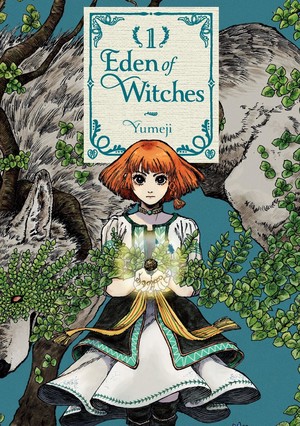
Table of Contents
Quick synopsis: What is Eden of Witches about?
Set in a world where plants and animals have mostly vanished following humanity’s destructive rise, Eden of Witches imagines a fragile ecosystem clinging to life through the secret ministrations of witches. Those witches—feared, scapegoated, and often hunted—possess a unique ability to communicate with the remaining vestiges of nature. The story follows Pili, a young witch‑apprentice traveling the wasteland with her wolf companion Oak, and Bowei, a villager who finds and cares for her after an accident. Their meeting precipitates tension and danger as villagers quickly grow suspicious and witchcraft becomes a perilous liability.
Publication history and volumes
Yumeji first introduced Eden of Witches in France in 2021 under the title L’Éden des sorcières, and the series later began serialization in Harta magazine in October 2022. The manga has since been collected into multiple volumes across different territories: English releases have been handled by Abrams ComicArts, and French editions by Éditions Ki‑oon. The collected volumes and steady serialization helped the title find an international audience drawn to its art and thematic depth.
Where to buy or read
If you’re looking to collect the series or read official volumes, check publisher listings and major retailers. For example, English volumes are available through the publisher’s retail channels and common book retailers. For French editions, visit Éditions Ki‑oon’s catalog for availability and release information. (Publisher pages and retailer listings are often the best place to confirm current volume availability.)
Éditions Ki‑oon: Eden des sorcières
Characters to watch
Pili — the apprentice witch
Pili is the story’s sympathetic protagonist: young, curious, and still learning how to harness her witchcraft. Her naiveté about the wider world drives much of the early narrative tension; Pili’s vulnerability makes her central to the series’ emotional core as she confronts both physical danger and the moral complexity of being a witch in a society that blames witches for nature’s decline.
Oak — the wolf companion
Oak functions as more than a protector—he’s a living link to the natural world that witches seek to defend. The presence of animal companions and their relationship to witches underscores the series’ environmental focus and the idea that nature still has allies, even in a devastated world.
Bowei — the villager
Bowei’s decision to nurse Pili back to health sets the central story in motion. His character represents the conflicted human perspective: capable of compassion but also influenced by fear and communal pressure. That tension between empathy and suspicion is a recurring engine of the plot.
Major themes and tonal elements
Eden of Witches blends several thematic currents:
- Environmental collapse and responsibility — the manga asks who is to blame for a world stripped of life and whether coexistence is still possible.
- Fear of the Other — witches are scapegoated for ecological decline, a metaphor for how societies often target marginalized groups in times of crisis.
- Sanctuary and secrecy — much of the series explores how the witches preserve pockets of greenery and life in hidden lairs, creating a visual contrast between barren landscapes and lush refuges.
- Moral ambiguity — characters are rarely one‑dimensionally good or evil; choices are contextual and often tragic.
Artistically, Yumeji’s panels shift between delicate, verdant interiors and stark, desolate exteriors—reinforcing the emotional contrast between preservation and ruin.
Why the ending matters
An ending for a series like Eden of Witches is significant because it resolves not only character arcs but also the broader questions the story raises about humanity’s relationship with nature. Fans will be looking for closure on Pili’s journey, the fate of the witches, and whether the world can begin to heal. Given the manga’s measured pacing and careful worldbuilding, many readers expect a conclusion that is contemplative rather than explosively definitive—one that emphasizes consequence, responsibility, and the fragile hope that small acts can restore balance.
What readers can expect next
The upcoming final chapter in Harta (on August 12) will likely tie together long‑running threads and reveal the ultimate stakes for both witches and humans. Whether the ending leans toward bittersweet reconciliation or a harsher moral reckoning, it will almost certainly prompt discussion about the series’ environmental allegory and Yumeji’s storytelling choices.
How to prepare for the finale
- Catch up on collected volumes so you can follow the final serialized chapters as they release.
- Follow official publisher channels for announcements about final chapter release dates and any special edition volumes.
- Join community discussions on platforms that host manga readers and collectors (while keeping to spoiler etiquette until the official release).
Final thoughts
Eden of Witches stands out as a haunting, thoughtful exploration of a post‑nature world where magic becomes both refuge and target. As Yumeji brings the series to a close on August 12, fans have a chance to reflect on the manga’s powerful environmental message and the poignant human stories at its center. Whether you discovered the series for its visuals, its themes, or its memorable characters, the conclusion promises to be an important moment for readers who have followed Pili, Oak, and Bowei through a fragile, beautifully drawn world.