Agents of the Four Seasons: Dance of Spring launches with striking visuals and operatic emotional beats, but it takes several episodes for the series to find its footing. After watching the first four installments, the show transforms from a pretty-but-hollow melodrama into a genuinely engaging character piece—albeit one still struggling to reconcile mythic worldbuilding with pulpy action. Below I break down what works, what falters, and why the series is worth sticking with for viewers who value atmosphere and character-driven drama.
Table of Contents
Production Values: A Feast for the Eyes and Ears
Studio Wit flexes impressive animation chops across these opening episodes. The seasonal motifs—especially the icy tableaux summoned by the Agent of Winter—allow the creative team to splash vivid, otherworldly color palettes across key sequences. Action choreography and character animation are consistently solid, and the show leans into visual symbolism in ways that reward repeat viewing.
Musically, kensuke ushio’s score supplies the sweeping, cinematic underscoring the series demands. It isn’t Ushio’s most experimental work, but the booming, dramatic tracks match the show’s bombastic tone and elevate set pieces. For viewers who care about soundtrack credits, more information on the composer can be found via his official profiles and discography (external link, nofollow).
Characters: Growing Depth After a Rocky Start
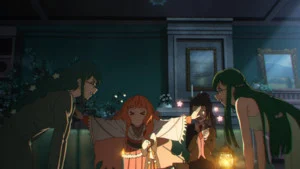
What initially felt like a hollow melodrama begins, by episode three and four, to reveal tangible emotional stakes. Sakura—who initially reads as a one-note tragic protagonist—gains texture as we learn more about her bonds with the Hazakura sisters and the heavy burden of being a living “season.” By then, the series has done enough to make Sakura sympathetic rather than merely sorrowful.
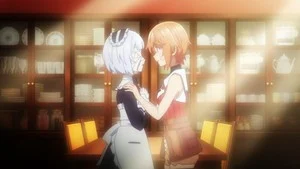
The twin summer characters, Ruri and Ayame, are a highlight: their dynamic is naturalistic and quietly charming once the show moves past its melodramatic tics. The bond between Agent and Guardian roles starts to feel meaningful; these relationships become the emotional center of the story and hint at rich character arcs to come.
Performance Notes: Where the Scripts Stumble
Not every performance lands. Hinagiku, the Agent of Spring, remains a sticking point. Her lines often read as overly affected and twee, and the script’s insistence on melodramatic affectations undercuts her relatability. The issue is structural—the dialogue and character beats sometimes prefer ostentation to subtlety—and no amount of vocal charm can fully paper over that. Still, some viewers may prefer the more theatrical elements; it depends on your tolerance for melodrama in anime.
Worldbuilding and Narrative: Mythic Aura vs. Practical Logic
The show’s central conceit—Children elevated to the status of seasonal gods and thrust into geopolitical machinations—has undeniable dramatic potential. The image of living embodiments of Spring, Summer, Autumn, and Winter operating like fragile national assets is evocative. However, the series takes a long time to explain how its fantasy rules intersect with politics, espionage, and military logic.
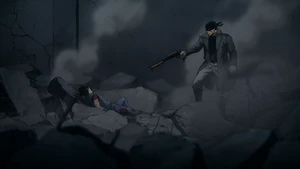
A major narrative mystery so far is the insurgents targeting the Agents. The action scenes are thrilling on a spectacle level—the fights are crisp and the stakes feel immediate—but it’s not always clear what a dead Agent accomplishes for those attackers. If an Agent dying simply triggers a replacement, the motive behind the assassination attempts is muddled. Is this political sabotage? An attempt to destabilize climates? Or something more metaphysical? The show hints at answers but doesn’t yet connect the dots in a satisfying way.
Tonality: Two Shows Jammed Together?
One recurring issue is tonal friction. On one hand we have an emotionally intense, character-focused melodrama about traumatized youths forced to shoulder divine responsibilities. On the other, we get a pulpy action series featuring mercenaries, spirit beasts, and spectacle-driven combat. Both components are enjoyable in isolation, but they sometimes feel like different channels playing at once rather than two harmonized halves of a single show. Whether that becomes a strength—an ambitious blend of mythic soap opera and action thriller—or a persistent flaw depends on future episodes ironing out narrative cohesion.
Action Sequences: Beauty with a Question Mark
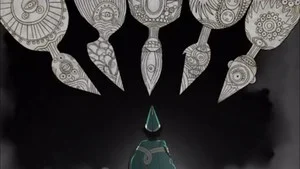
The action is consistently well-staged. Setpieces, especially those that play off each Agent’s seasonal power, are imaginative and striking—the wall of ice flowers in episode two stands out as a memorable visual. Yet the placement of these sequences can feel abrupt. An intense fight will land right in the middle of a character-heavy scene, creating a jarring rhythm. This is less a failure of choreography than pacing; the series needs to better integrate its dramatic beats and combat so each feels like a logical escalation of the other.
Where to Watch
Agents of the Four Seasons: Dance of Spring is available to stream on major platforms. For viewers in many regions, a streaming edition can be found on Crunchyroll (external link, nofollow), which lists availability and episode details.
What to Expect Next
If the series continues the trajectory set by episodes three and four, viewers can anticipate deeper character exploration and more meaningful integration between the show’s mythos and its political thriller elements. There’s room for the narrative to tighten: clarify the insurgents’ goals, ground Hinagiku’s characterization with clearer motives, and make the stakes of assassination attempts make economic/political sense within the show’s internal logic.
Who Should Watch
- Fans of atmospheric anime with strong visual identity and orchestral scores.
- Viewers who enjoy character-driven melodrama and sibling dynamics.
- Those willing to tolerate a slow burn as the show assembles its larger mystery.
Conversely, casual viewers seeking tightly plotted military or political thrillers might find the worldbuilding too diffuse at present. Likewise, if melodrama feels like a narrative sin to you, the show’s emotional excesses may be grating.
Final thoughts
Agents of the Four Seasons: Dance of Spring is an imperfect but compelling hybrid: a richly produced visual and musical experience that slowly reveals emotional weight beneath an initially glossy surface. The first four episodes move from hollow spectacle to genuinely affecting character work, even while they struggle with tonal consistency and unclear worldbuilding. If you love bold art direction, orchestral scoring, and character-focused drama with occasional pulpy action, this series is worth continuing for. There’s enough promise in the cast dynamics and production craft to suggest the show could cohere into something memorable—provided it tightens its narrative logic and lets its characters breathe without constant histrionics.